Built for living , loved for a lifetime.
About Us

Lorem Ipsum is simply dummy text of the printing and typesetting industry.
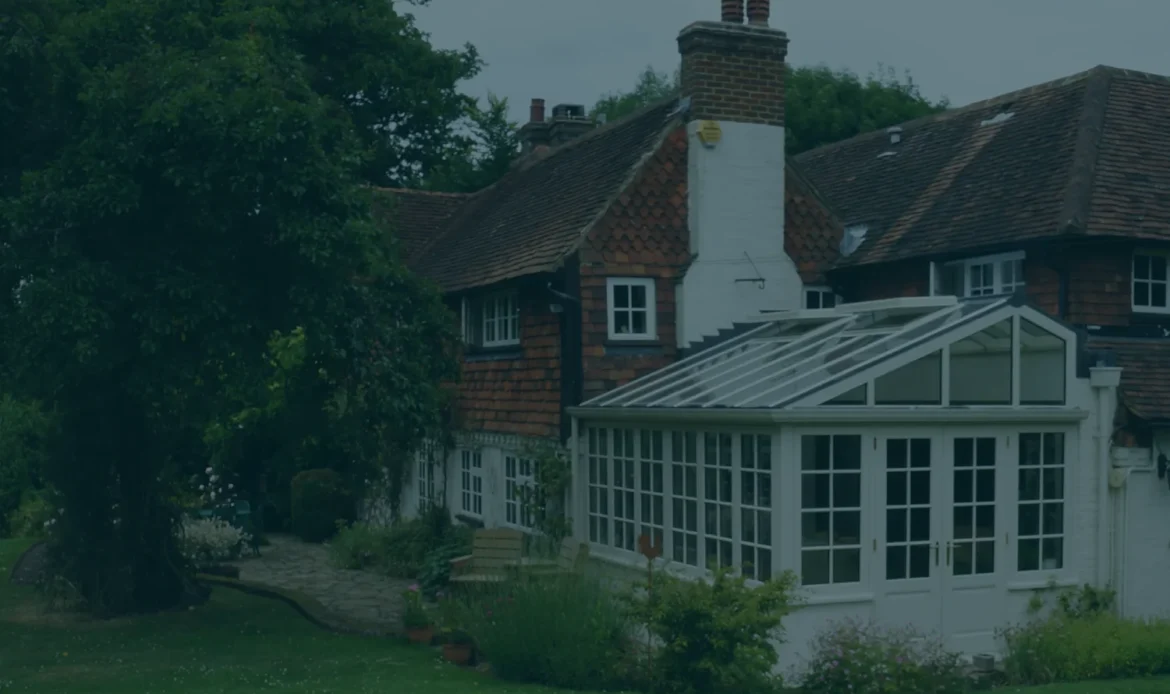
A tired conservatory usually tells on itself long before you decide to change it. Too cold in January, too bright in July, visually disconnected from the house all year round – it becomes a space you walk past rather than live in. If you are asking, can I replace my uPVC conservatory with a hardwood orangery, the short answer is yes. The more useful answer is that the success of the project depends on how intelligently that replacement is designed, detailed and delivered.
For many homeowners, this is not simply a material upgrade. It is a chance to turn an underperforming add-on into an architectural room – one that feels properly part of the house, improves day-to-day living and adds lasting value. A hardwood orangery can do that beautifully, but only when the structure, proportions and finishes are considered as carefully as the glazing.
In most cases, yes. An existing conservatory can often be removed and replaced with a painted hardwood orangery on the same footprint or a revised layout, subject to planning considerations, structural design and site conditions.
What changes is the ambition of the space. A conservatory is often predominantly glazed, with a lighter visual presence but less thermal stability. An orangery introduces more solid structure – usually insulated columns, a perimeter roof, carefully proportioned glazing and a roof lantern – which gives the room a stronger architectural character. It tends to feel calmer, more substantial and far better suited to everyday family life.
That said, replacement is rarely a straightforward swap. The existing base may not be suitable. The opening into the house may need to be widened and supported with structural steel. Floor levels, drainage, roof loads and thermal performance all need to be reviewed. A well-designed orangery should look as if it belonged to the house from the outset, not as if it has simply taken the place of something less considered.
The motivation is usually part practical, part aesthetic. Older conservatories can feel like seasonal spaces rather than true extensions of the home. They overheat, lose warmth quickly and often sit awkwardly against period or well-designed contemporary properties.
A painted hardwood orangery answers those problems in a more refined way. Because there is more solid roof and better insulation within the structure, the room is typically more comfortable throughout the year. Because the framing is crafted rather than generic, the proportions can be tailored to suit the property. And because painted timber carries depth, texture and presence, the finished room feels more permanent and composed.
For design-conscious homeowners, the appeal runs deeper than comfort. An orangery can transform how the rear of the house works – especially when connected to a kitchen, dining area or family room. It can frame the garden, bring in controlled natural light and create a room that is made for daily use rather than occasional occupation.
The best projects begin with restraint. Not every home needs a larger footprint, and not every site benefits from a dramatic expanse of glass. Sometimes the most successful replacement uses the original footprint but completely rethinks the massing, roof design and relationship to the house.
A factory finished painted hardwood orangery should respect the architecture it joins. On a Georgian or Victorian home, that may mean more formal symmetry, elegant pilasters and a lantern proportioned to echo the house’s existing rhythm. On a contemporary property, the detailing may be cleaner and quieter, but the principle remains the same – the new structure should feel integrated, not imposed.
This is where material choice matters. Painted Sapele hardwood offers the structural integrity and weather resistance needed for an external room of real quality, while also allowing for finer detailing and a richer painted finish than many alternatives. In a premium setting, that difference is immediately visible. It is the difference between an extension that merely adds space and one that elevates the whole house.
One reason people hesitate is uncertainty around permissions. Replacing a conservatory with an orangery may fall under permitted development in some cases, but it should never be assumed. Height, footprint, proximity to boundaries, listed status and conservation area constraints can all affect what is possible.
Even where planning permission is not required, building regulations usually are. An orangery functions more like a true extension than a lightweight garden room, particularly if it is open to the main house. Structural calculations, insulation values, foundations and glazing performance all need proper attention.
For homeowners, this is often the point where a managed design-and-build approach becomes invaluable. The process is simply too interconnected to treat as a sequence of disconnected trades. Good outcomes come from early coordination between design intent, planning strategy, structural engineering and construction detailing.
Sometimes, but not automatically. This is one of the most common assumptions and one of the most risky.
An older conservatory base may not have been designed to support the weight and structural demands of a hardwood orangery. Foundations may be too shallow, poorly documented or unsuited to revised loading. Equally, the existing dwarf walls or slab may not meet current standards for insulation and performance.
A proper site survey will establish whether anything can be retained. In some projects, partial reuse is possible. In others, rebuilding from the ground up is the wiser decision. While that may increase initial cost and programme, it protects the long-term integrity of the build and avoids designing a superior room on compromised groundwork.
The most compelling reason to make the change is how the room lives. A well-composed orangery does not feel like a detached glazed box. It feels anchored. The roof brings a sense of shelter, the lantern draws light from above rather than from every angle, and the solid elements create somewhere to place artwork, lighting, joinery or furniture with confidence.
That matters in everyday life. A room that is too exposed can be difficult to furnish and harder to use comfortably. An orangery tends to support a more balanced atmosphere – bright, but not glaring; connected to the garden, but still intimate enough for family meals, entertaining or a quiet morning coffee.
When finished in painted timber, the effect is especially elegant. The joinery has crisp definition, the surface finish feels enduring, and the colour can be selected to complement the house rather than compete with it. Factory-applied multi-coat Teknos finishes are particularly valuable here, giving the structure long-term protection and a refined appearance that stands up to the British climate.
If you are replacing rather than repairing, it is worth being ambitious about the details that shape daily enjoyment. Sightlines to the garden matter. So do ceiling heights, door positions and how the new room aligns with internal flooring and cabinetry.
Lighting is another area where thoughtful design pays dividends. Orangeries are at their best when natural light is layered rather than excessive. A well-sized lantern, carefully positioned glazing and considered artificial lighting create a room that works from breakfast through to evening entertaining.
Ventilation should also be resolved early. Warmth and light are welcome, but comfort depends on control. Opening elements, solar gain management and glazing specification all influence how the room performs in practice.
A painted hardwood orangery is a significant investment, and it should be approached as one. The cost will vary according to size, structural complexity, specification, site access and the extent of internal alterations. If the project includes opening up the rear of the house, introducing bespoke joinery or reworking the kitchen layout, the budget naturally rises.
Yet value in this context is not only about square footage. It is about permanence, architectural coherence and the quality of the finished living experience. A beautifully designed orangery can change the centre of gravity of a home. It can become the room everyone uses, the view that sells the house one day, and the backdrop to family life in the meantime.
For that reason, the cheapest route is rarely the most economical over time. The stronger approach is to invest in good design, high-calibre materials and exacting execution from the outset. That is what produces a room that feels settled, elegant and genuinely part of the property.
If your existing conservatory is uncomfortable, visually out of keeping with the house or simply no longer matches how you live, replacement is often the better option than incremental improvement. Retrofitting can solve isolated problems, but it rarely transforms the architecture or performance of the space.
A hardwood orangery gives you the chance to start again with purpose. Not just a better room, but a better relationship between house, garden and daily living. That is why these projects resonate so strongly with homeowners who care about quality – they are not buying a structure, they are shaping a more beautiful way to live at home.
If you are considering the change, the right first step is not choosing glazing or colours. It is asking how the new room should feel, how it should serve the house and whether every design decision supports that ambition. Get that right, and the replacement becomes far more than an upgrade – it becomes the room the rest of the house had been waiting for.