Built for living , loved for a lifetime.
About Us

Lorem Ipsum is simply dummy text of the printing and typesetting industry.
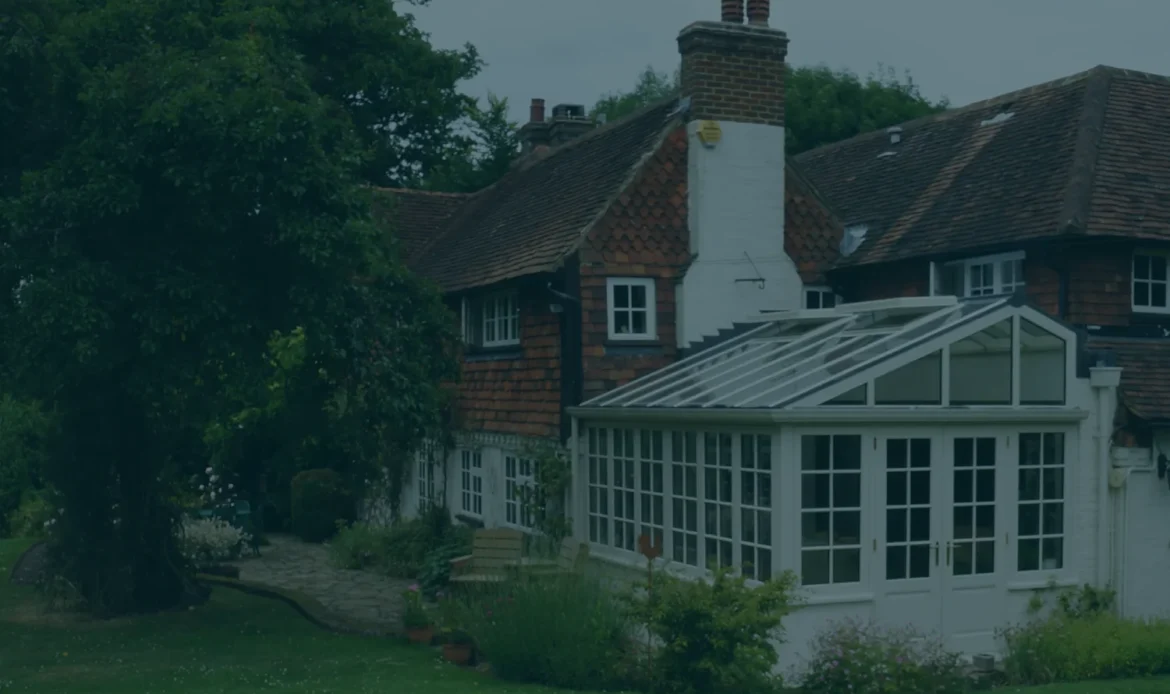
If you are weighing up orangery versus extension costs, the real question is rarely just about the build price. It is about what kind of space you want to live in for the next 10, 20 or 30 years, and how that space should feel, perform and sit within the architecture of your home. A well-designed addition can transform daily life, but the route you choose will shape everything from natural light and planning complexity to resale appeal and long-term satisfaction.
For many homeowners, the early comparison starts with headline figures. A standard extension can appear more straightforward on paper, while an orangery is often seen as the more architectural and design-led option. Yet those first assumptions can be misleading. Costs vary not only by size, but by specification, structural requirements, glazing design, interior finish and the level of project management behind the build.
At a basic level, a conventional extension is usually a broader category. It may be built predominantly in masonry with a solid roof, and can range from a simple rear addition to a highly sophisticated open-plan kitchen-living space. An orangery, by contrast, tends to combine solid structure with more glazing, often including tall windows, doors and a roof lantern. The effect is lighter, more elegant and more connected to the garden.
That distinction matters because cost follows design intent. A standard extension built to a modest specification may come in lower per square metre than an orangery. But once an extension includes premium glazing, architectural rooflights, bespoke joinery, upgraded finishes and carefully resolved transitions into the existing house, the gap can narrow considerably.
An orangery is often a more detailed piece of architecture. It asks more of the design, more of the materials and more of the execution. This is particularly true when the goal is to create a room that looks as though it has always belonged to the house, rather than an obvious add-on at the back.
One of the biggest mistakes in comparing orangery versus extension costs is treating all square metres as equal. They are not. Two rooms of the same footprint can differ dramatically in budget depending on glazing ratios, roof structure, foundations, steelwork and interior specification.
A simple masonry extension with standard doors and a basic roof construction is one thing. A bespoke orangery with painted hardwood frames, a roof lantern, carefully proportioned elevations and a fully finished interior is another. Both add space, but they do so in very different ways.
There is also the matter of finish. Many homeowners budgeting for an extension focus first on shell costs, then discover later that flooring, joinery, lighting, heating, decorating and kitchen integration alter the overall figure substantially. With an orangery, clients are often thinking from the outset about atmosphere as much as footprint. That tends to produce a more complete brief and, in many cases, a better-resolved result.
The features that make an orangery so desirable are often the same ones that raise the budget. Glazing is a major element. Large sections of high-performance glass, elegant sightlines and carefully engineered roof lanterns do not sit at entry-level pricing. Nor should they, if the aim is comfort, longevity and visual quality.
Material choice also plays a significant part. A premium orangery is not just about adding windows to a room. It is about proportion, craftsmanship and architectural character. Timber construction, particularly when carefully finished and designed to complement the house, offers warmth and refinement that many homeowners actively seek. In period and heritage-led properties especially, that design integrity can be as important as the extra floor area itself.
Then there is complexity. Orangeries often involve more considered roof design, more structural coordination and more detailed junctions where the new space meets the original building. If the room is intended to house a luxury kitchen, dining area or family living zone, services and interior layout need equal care. Those layers of design and coordination are reflected in the cost.
It is easy to assume a conventional extension is the budget-conscious route. Sometimes it is. Sometimes it is not.
A large extension with extensive steel supports, significant groundworks, drainage alterations or complex planning constraints can quickly become expensive. If you are opening up the rear of the house to create one expansive room, structural works inside the existing building can be substantial. Likewise, if the site has difficult access, mature trees, sloping ground or hidden drainage runs, costs can rise before finishes are even considered.
Many premium extensions also end up incorporating features associated with orangeries anyway – overhead glazing, large-format doors, bespoke internal joinery and carefully detailed ceilings. At that point, the project is no longer a simple extension in any meaningful sense. It is a tailored architectural addition, and the budget should be viewed accordingly.
The most useful way to approach orangery versus extension costs is to think beyond construction price alone. Ask what sort of return you want from the investment. That return may be financial, but for many households it is also practical and emotional.
A beautifully executed orangery can change how a home is used throughout the day. It can bring morning light into a kitchen, create a calm setting for entertaining, and improve the relationship between house and garden in a way that feels natural rather than forced. For families, that often means one room working much harder than several disconnected spaces ever did.
There is also the effect on the character of the property. In higher-value homes, particularly period houses or architecturally sensitive settings, design coherence matters. A generic addition may add square footage, but a bespoke orangery can enhance the overall composition of the home. That does not always show up neatly on a spreadsheet, yet it is often felt immediately by owners and noticed by future buyers.
Budgeting properly means accounting for more than the visible structure. Planning advice, building regulations, structural calculations and thermal performance all form part of the real cost of doing the project well.
An orangery with high-quality glazing and carefully specified materials can perform beautifully in modern living, but only if the design is resolved correctly. Solar gain, ventilation, heating strategy and roof design all need attention. The old concern that highly glazed rooms are too hot in summer and too cold in winter is usually a symptom of poor specification rather than the concept itself.
The same applies to extensions. A lower initial build cost can lose its appeal if insulation, detailing or finishes are compromised and the room never feels as comfortable or polished as hoped. Long-term value depends on permanence – not simply on getting the room built, but on getting it right.
The better question may not be orangery or extension, but what kind of room does your home need? If you want a highly practical addition that disappears into the existing footprint and supports everyday family use, an extension may be the natural answer. If you want a space with stronger architectural identity, more light from above and a greater sense of occasion, an orangery may justify the additional investment.
This is where bespoke design earns its place. A skilled design-and-build partner will not start with a one-size-fits-all product. They will look at the house, the orientation, the intended use and the quality of finish expected. In many cases, the right answer sits between categories – an extension with orangery qualities, or an orangery designed to function as the heart of a contemporary kitchen-living room.
For discerning homeowners, that joined-up approach often prevents false economy. It reduces the risk of spending substantial money on a room that is technically larger but emotionally underwhelming.
Rather than asking for the cheapest route to more space, it is wiser to decide what level of transformation you want. Are you trying to add a room, or are you reshaping how the house lives? Do you want a serviceable build, or a finished space with architectural presence and lasting quality?
Once that is clear, a proper budget can be built around design, permissions, structure, materials and interior finish from the beginning. That is usually where homeowners gain confidence. They stop comparing incomplete figures and start evaluating outcomes.
At the premium end of the market, where craftsmanship, detailing and tailored design matter, the conversation is rarely about the lowest possible number. It is about value over time, quality of living and the reassurance that every stage has been considered. That is where a company such as Farrow & Jones comes into its own – not by reducing the decision to a square metre rate, but by creating a space that feels entirely at home from day one.
The best investment is usually the one you still appreciate years after the builders have left, when the light is falling through the glazing on an ordinary Tuesday morning and the room has quietly become the place everyone gathers.