Built for living , loved for a lifetime.
About Us

Lorem Ipsum is simply dummy text of the printing and typesetting industry.
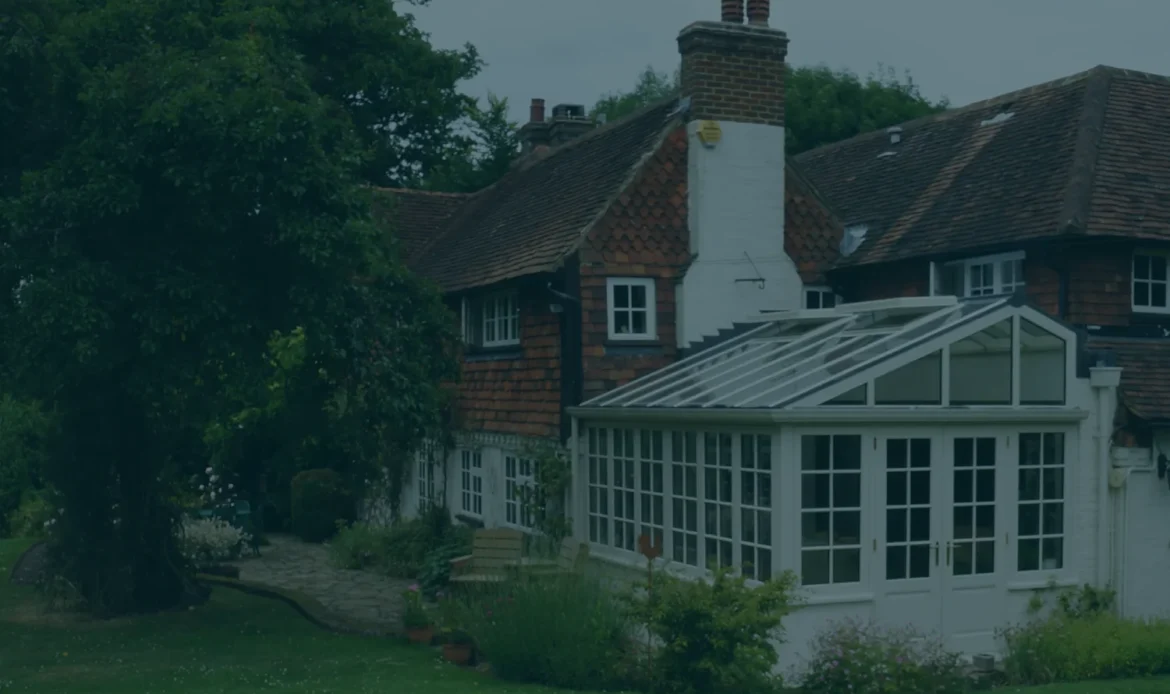
A roof lantern can change the mood of a room more dramatically than almost any other architectural feature. In a kitchen extension or orangery, it does more than bring in daylight – it sets the tone, frames the ceiling line and determines whether the space feels quietly refined or visually overworked. That is why choosing from the best roof lantern styles is not simply a matter of taste. It is a design decision that affects proportion, atmosphere and how beautifully the room sits within the house as a whole.
For period properties, the wrong lantern can feel intrusive. For contemporary homes, an overly decorative shape can dilute the architecture. The best results come when style, scale and material are considered together, rather than treated as separate choices.
The most successful roof lanterns do not call attention to themselves for the wrong reasons. They feel resolved, as if they were always meant to be part of the property. That usually comes down to three things: proportion, sightlines and finish.
Proportion matters because lanterns are often specified too large in pursuit of more light. In reality, an oversized lantern can flatten a ceiling and dominate the room below. A slightly more restrained design often feels brighter and calmer because the surrounding ceiling remains part of the composition.
Sightlines are equally important. Slim glazing bars, well-judged ridge details and elegant eaves sections help a lantern feel lighter overhead. This is where craftsmanship becomes visible. From below, every junction is on show.
Finish is the final layer. A beautifully made timber roof lantern with factory-applied coatings has a depth and softness that suits both classic and contemporary interiors. The detailing feels architectural rather than purely functional, and that distinction is often what separates a premium result from a standard extension.
There is no single style that suits every property. The right choice depends on the age of the house, the shape of the extension and the role the room plays in daily life.
This is the most versatile and, for many homes, still the best. A rectangular lantern works particularly well over kitchen islands, dining areas and central family spaces because it introduces balanced top light without complicating the roof form.
In a Georgian, Victorian or Edwardian setting, a classic rectangular lantern with refined glazing bars and a gentle pitched profile tends to feel most at home. It complements symmetry and traditional proportions, especially when paired with well-considered cornice details and painted timber joinery. In a contemporary extension, the same shape can still work brilliantly, provided the detailing is pared back.
Its strength lies in its discipline. It gives the eye a clear, elegant shape and allows the rest of the room to breathe.
Square lanterns are often underestimated, yet they can be exceptionally effective. In smaller extensions or more intimate rooms, a square format creates a centred pool of light that feels deliberate rather than diluted.
This style suits breakfast rooms, smaller garden rooms and compact kitchen-living layouts where one well-placed architectural feature is enough. A square lantern can also be useful where the roof structure or planning constraints make a long span less desirable.
The trade-off is that it creates a more focused effect than a rectangular design. If the room is particularly long, one square lantern may leave the ends feeling slightly darker, so the overall lighting strategy needs thought.
In expansive extensions, two lanterns can often look better than one large one. This is especially true in open-plan kitchen, dining and family rooms where zoning matters. Twin lanterns help define separate areas while maintaining a sense of unity across the whole space.
Architecturally, this approach can feel more measured. Instead of one oversized opening, the ceiling retains rhythm and structure. It can also produce more even light distribution through the day.
Twin lanterns require careful alignment. The spacing between them, their relationship to doors and joinery, and the proportions of each lantern all need to be resolved properly. When they are, the effect is calm, balanced and distinctly bespoke.
For newer homes and architect-led extensions, a more minimal roof lantern style may be the right fit. These designs reduce visible framing and decorative detail, placing emphasis on clean lines and broad glazed sections.
The appeal is obvious. A slim contemporary lantern can make a room feel crisp, airy and intentionally modern. It works particularly well where the architecture already relies on strong geometry, large-format glazing and restrained materials.
That said, minimalism is less forgiving than people expect. If the proportions are slightly off, or the finish lacks quality, the lantern can feel ordinary rather than elegant. Contemporary design relies on precision. The fewer the details, the more important each one becomes.
Some of the best roof lantern styles borrow from traditional conservatory and orangery architecture, using richer detailing to create a more established look. These lanterns suit period homes, listed-adjacent settings and properties where the extension is intended to feel rooted in the original building.
A heritage-inspired lantern can add grace and character to a room, particularly when combined with painted hardwood construction and carefully chosen interior finishes. It often feels softer than starkly modern alternatives and can help bridge old and new parts of a house.
The key is restraint. Heritage should mean well-proportioned and beautifully crafted, not over-ornamented. Too much decoration can tip into pastiche, especially on homes that are classically influenced rather than genuinely historic.
The ceiling plan should always be considered from inside the room, not only from the garden. A lantern may look attractive on an elevation drawing, but if it disrupts pendant placement, competes with cabinetry or feels misaligned with the furniture layout, the result will never feel fully resolved.
In kitchen extensions, lanterns often work best when centred over circulation space rather than directly above every functional element. Over an island, they can be striking, but pendant lighting, extraction requirements and the practical rhythm of the room all need to be coordinated.
In orangery-style rooms, a lantern usually plays a more architectural role. Here, the relationship between the lantern and the perimeter roof is critical. The balance of solid roof and glazing helps create that sense of shelter and openness at once, which is what makes these spaces so liveable throughout the year.
Even the best roof lantern styles can disappoint if the specification is not considered properly. Material changes the character of the lantern. So does the glazing performance and the quality of the paint finish.
Timber remains a compelling choice for high-end homes because it offers warmth, depth and fine detailing. Painted sapele hardwood, for example, brings both stability and elegance, with profiles that can be shaped more gracefully than many standard alternatives. A factory-applied multi-coat finish also supports longevity and weather protection, which matters on a feature exposed to the elements year round.
Glazing should be chosen for comfort as much as clarity. Solar control, thermal performance and the way light is diffused through the day all affect how the room feels. More glass is not always better. Sometimes a slightly more structured lantern creates a more usable, temperate interior.
Roof lanterns are often treated as a finishing touch, yet in a well-designed extension they are part of the architectural framework. Bespoke design becomes worthwhile when the room has awkward spans, unusual proportions or a strong relationship with an existing period property.
A tailored approach allows the lantern to be scaled correctly, aligned with doors and joinery, and integrated with the wider roof structure. It also ensures the design works alongside planning considerations, structural calculations and the practical realities of construction.
This is where an end-to-end approach tends to produce a better result. Companies such as Farrow & Jones understand that a lantern is not an isolated product but part of a complete living space – one that should feel beautifully integrated from the first sketch to final handover.
Trends move quickly, but the most enduring roof lanterns share the same qualities: good proportions, honest materials and a clear relationship to the house they belong to. If you are deciding between styles, it is usually wiser to choose the one that complements the architecture and improves everyday living, rather than the one that feels most fashionable today.
The right lantern does not just brighten a room. It gives the space composure, brings the ceiling to life and makes ordinary moments – morning coffee, family suppers, late evening conversation – feel that little bit better under changing natural light.