Built for living , loved for a lifetime.
About Us

Lorem Ipsum is simply dummy text of the printing and typesetting industry.
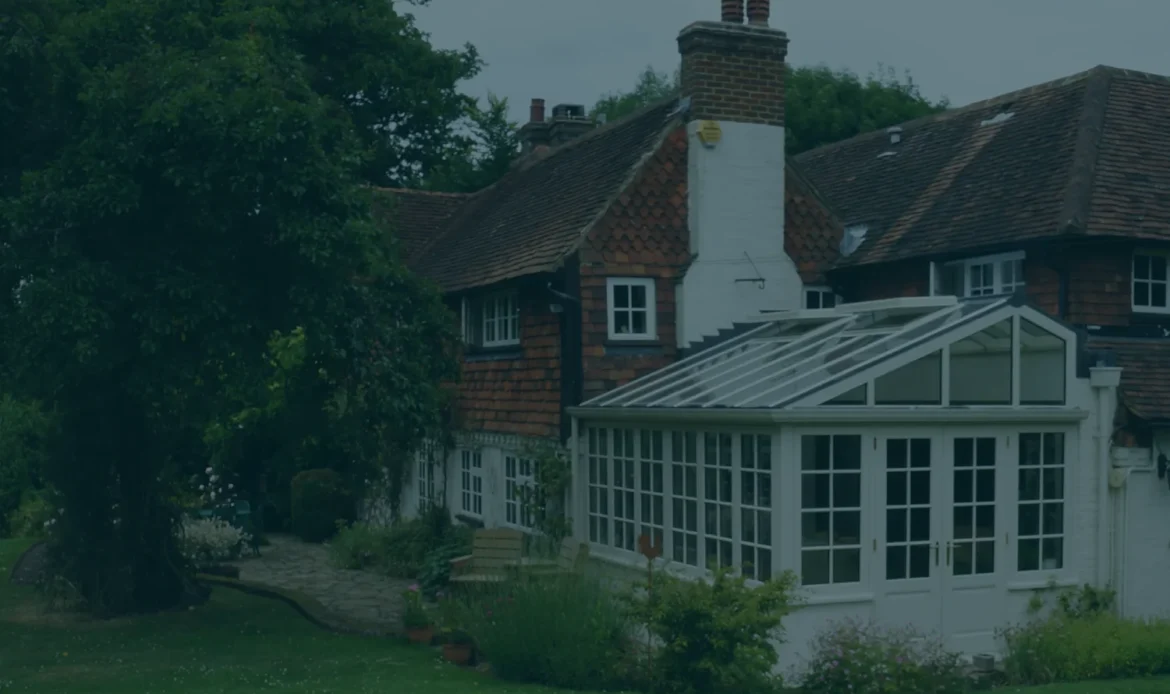
If you are asking, can I replace my uPVC conservatory with a hardwood orangery, the short answer is yes – and for many homes, it is a far better long-term decision than trying to refurbish an ageing glazed structure.
The more useful question is whether a hardwood orangery is the right architectural answer for your house, your garden and the way you actually live. Replacing a tired conservatory is not simply a material swap. Done properly, it is a chance to create a room that feels fully part of the home – warmer in winter, calmer in summer, and far more coherent with the character of the property.
In most cases, yes. A conservatory can be removed and replaced with a bespoke hardwood orangery, provided the new structure is properly designed, assessed and approved where required. The process usually involves considering planning, foundations, structural calculations, thermal performance and the relationship between the new room and the existing house.
That matters because an orangery is not just a conservatory with more brickwork. It typically has a more solid, architectural form, with substantial glazed elevations, insulated perimeter roofs or flat roof sections, and often a central roof lantern to draw light deep into the room. The result is a space that feels less like an add-on and more like a natural extension of the home.
For homeowners living with a room that is too hot when the sun appears and too cold when temperatures drop, that difference is often transformative.
Older conservatories often begin with good intentions. They promise light, garden views and extra space without major upheaval. But after a few years, many become underused. They can feel acoustically harsh, visually dated and disconnected from the rest of the house. Furniture fades, heating bills rise and the room becomes something you pass through rather than genuinely occupy.
A hardwood orangery answers those frustrations in a more considered way. It introduces permanence, proportion and insulation, but it also changes how the space is experienced. Ceiling heights can feel more generous. Sightlines into the garden become more deliberate. Junctions with the existing building can be redesigned to support an open-plan kitchen, family room or dining area that is built for living, not occasional use.
There is a lifestyle shift here as much as a construction one. A well-designed orangery should feel sofa-ready from day one – not like a compromise between indoors and out.
The distinction matters because it affects both performance and appearance. A conservatory is usually defined by a high proportion of glazing in both walls and roof. An orangery has more masonry or structural solidity, with glazing used more selectively and architecturally.
That gives an orangery several advantages. Thermal performance is usually better, because there is less exposed glass overhead and more opportunity for insulated roof build-ups and carefully specified doors and windows. Privacy can improve too, particularly in overlooked gardens, because solid sections can be placed where they are most useful. Externally, the room tends to look more established and more in keeping with period and premium homes.
There are trade-offs. A hardwood orangery is a more substantial investment, and the design process is more exacting. But that is often precisely why the finished result carries more value – both in daily enjoyment and in how the property is perceived.
One of the first concerns is whether replacing a conservatory automatically means a more complicated permissions process. Sometimes yes, sometimes no.
Some replacement structures can fall within permitted development, depending on size, height, position and how much has already been added to the property. But many orangery projects benefit from a proper planning review at the outset, especially on listed buildings, in conservation areas, or where the design is intended to significantly rework the rear elevation.
Building regulations are another matter. Because an orangery is usually designed as a more integrated and habitable room, compliance is often more involved than with older glazed structures. Structural calculations, energy performance, roof design, drainage and foundations all need proper attention.
This is where a fully managed approach earns its keep. Replacing one room with another can sound straightforward, yet the hidden work behind approvals and technical coordination is often what determines whether the project feels controlled or stressful.
Sometimes, but never assume it.
An existing conservatory base may not be suitable for a new hardwood orangery, particularly if the new design carries more structural weight or includes masonry piers, a lantern roof, larger openings back into the house or upgraded insulation requirements. The original foundations may have been designed for a lighter structure and a very different loading pattern.
A proper survey is essential. In some projects, parts of the existing substructure can be retained, which can help programme and cost. In others, starting again is the wiser option because it gives the design team freedom to get the proportions, floor levels and thermal detailing right from the beginning.
It is rarely the most visible part of the build, but it is one of the most important. A beautiful room depends on what sits beneath it.
If the aim is to replace a dated conservatory with something that feels elevated and enduring, hardwood is difficult to better.
Painted sapele hardwood offers a level of depth, crispness and joinery detail that suits both classic and contemporary homes. Sightlines can be elegantly refined, mouldings can be tailored to the architecture, and the finished room has a warmth that more standard alternatives struggle to achieve. It feels crafted rather than assembled.
Performance matters too. High-quality hardwood systems, when properly manufactured and finished, are built for longevity. Factory-applied, multi-coat finishes such as Teknos provide long-term weather protection and help maintain the appearance of the timber over time. That combination of beauty and durability is one reason hardwood remains the material of choice for discerning homeowners looking for a room that belongs to the house rather than merely attaches to it.
The success of an orangery rarely hinges on one grand gesture. It comes from a series of well-judged decisions.
The first is how the new room connects to the existing home. If the current conservatory sits beyond a small set of doors, the replacement is often an opportunity to create a much wider opening and improve natural flow from kitchen or living space into the garden-facing room. That can completely alter how the ground floor works.
The second is the roof. A lantern can bring beautiful top light, but scale and placement matter. Too large, and the room may feel overexposed. Too small, and the architecture loses presence. The balance between glazed roof area and solid perimeter structure is what gives an orangery its calm, composed character.
Then there is interior atmosphere. Lighting, joinery, flooring and heating should be considered as part of the whole, not after the shell is built. The best rooms do not feel like extension spaces. They feel like the favourite part of the house.
When homeowners ask whether they can replace a conservatory with an orangery, they are often also asking whether it is worth it.
That depends on the starting point and the ambition for the house. If the existing room is rarely used and aesthetically at odds with the property, replacing it can unlock far more than extra square footage. It can improve family living, strengthen the rear elevation and create a more resolved relationship between house and garden.
A bespoke hardwood orangery is a premium investment, and rightly so. It involves design expertise, skilled joinery, technical detailing and careful installation. But for many homes, it delivers a room with genuine permanence – one that supports day-to-day life and enhances the quality of the wider property.
That is a different proposition from patching up an underperforming structure every few years.
A replacement of this kind sits at the meeting point of architecture, engineering and craftsmanship. That is why the process matters as much as the product.
You need more than a supplier of windows and doors. You need a team that can assess the existing building, test what is possible, develop a design that suits the house, handle permissions where needed, produce manufacturing drawings and deliver a finished room with polish and precision. At this level, coordination is part of quality.
For homeowners who care deeply about design coherence, that reassurance is invaluable. It allows decisions to be made confidently and the finished result to feel considered from every angle.
A hardwood orangery should not simply replace what was there before. It should correct it, elevate it and make the house feel more complete than it did the day you moved in.