Built for living , loved for a lifetime.
About Us

Lorem Ipsum is simply dummy text of the printing and typesetting industry.
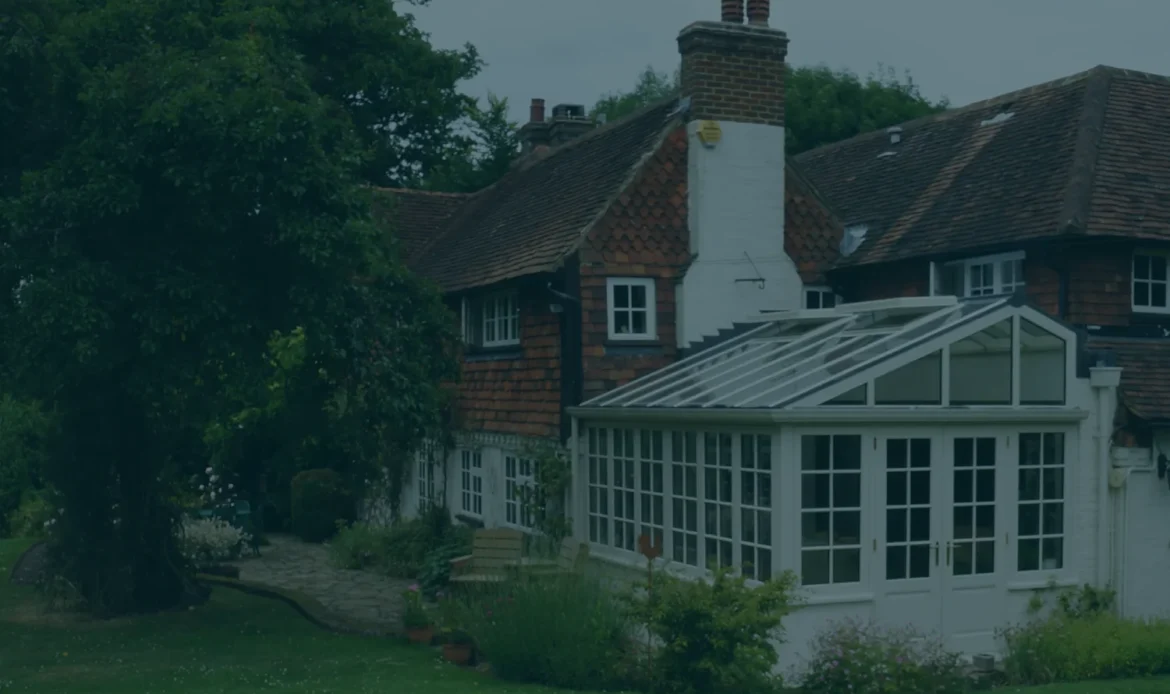
If you have ever tried to piece together an extension with a designer, planning consultant, structural engineer, builder, kitchen supplier and decorator all working separately, you will already know the real cost is not only financial. It is time, decision fatigue and the quiet worry that small gaps between trades become large problems later. That is where a turnkey extension service explained properly becomes useful – not as a sales phrase, but as a different way of delivering a complex project.
For discerning homeowners, a turnkey approach is less about convenience for its own sake and more about control, quality and accountability. When the ambition is a beautifully integrated kitchen extension, orangery or garden room that feels native to the house, the process matters as much as the finished room.
At its simplest, a turnkey extension service means one specialist partner takes responsibility for the project from concept through to completion. That usually includes design development, technical drawings, planning support, structural coordination, manufacturing, site management, installation and the final finishes that make the room ready to live in.
The phrase is sometimes used rather loosely in the industry, which is why clarity matters. In a true turnkey model, you are not left appointing separate suppliers and hoping they interpret the design in the same way. The project is conceived as one whole, with architecture, structure, glazing, joinery, lighting and interior detailing considered together.
For luxury homes, that joined-up thinking is often the difference between an extension that merely adds square footage and one that genuinely improves how the house feels. The best projects do not read as add-ons. They feel proportionate, settled and entirely at home.
The easiest way to understand the value is to follow the project in sequence.
A well-run turnkey extension starts by asking better questions. How do you want the space to feel at breakfast, during a family supper or when entertaining at Christmas? Where does light arrive in the morning? Which views should be framed and which practical elements quietly concealed?
This early stage is where premium projects justify their investment. A considered team will look beyond footprint and think about roof geometry, ceiling height, glazing proportions, circulation and how new rooms connect with the existing house. In period homes especially, success often lies in restraint. The extension needs character and presence, but it must not jar with the original architecture.
Once the concept is established, technical detail should deepen rather than dilute the design. Structural calculations, thermal performance, drainage considerations and planning requirements all shape the outcome. In a fragmented process, these pieces are often handled in isolation, which can force compromises later.
In a turnkey model, those disciplines are coordinated from the outset. That is particularly valuable in painted timber structures such as orangeries, conservatories and garden rooms, where visual elegance depends on exact engineering. Sightlines, roof loads, glazing details and weathering all need to be resolved with precision before manufacturing begins.
A serious turnkey partner is not simply sourcing products. They are translating the design into something buildable, durable and beautiful. This is where material knowledge becomes central.
For external architectural structures, painted Sapele hardwood offers the stability, weather resistance and crisp detailing expected in a high-value scheme. Internally, painted Tulipwood cabinetry and kitchens provide a refined finish that can be tailored to the architecture of the room rather than imposed upon it. A factory-applied, multi-coat finish matters too. It is not only about colour, but about longevity, consistency and how the surface performs over time.
There is a romantic idea that great projects are won on creative vision alone. In reality, the final 20 per cent is often where quality is either protected or lost. Site sequencing, tolerances, finishing details and communication between trades all have a direct effect on the end result.
A turnkey extension service should mean one team is orchestrating these moving parts with discipline. That does not mean pretending construction is effortless. Complex projects require decisions, lead times and occasional adaptation. What clients need is not false simplicity, but calm, transparent management.
The most obvious benefit is accountability. If one party is responsible for the whole, there is far less opportunity for blame to pass from one supplier to another when questions arise. For clients investing significantly in their home, that single point of responsibility has real value.
There is also a design benefit that is harder to quantify but easy to recognise once you step into the finished room. Extensions delivered in a piecemeal way often feel exactly that – pieced together. The architecture may be handled by one practice, glazing by another supplier, kitchen by a third, and decoration by a fourth. Each element may be competent on its own, yet the whole can still feel disjointed.
A turnkey approach allows the extension to be composed as one environment. The painted joinery tone can be considered alongside flooring, roof structure, cabinetry and furniture layout. Thresholds, cornices, ironmongery and glazing bars can all support a coherent architectural language. This is where refinement lives.
Then there is the question of time. Not speed for its own sake, but efficiency in decision-making. Homeowners with demanding careers or family lives rarely want to spend months mediating between consultants and trades. They want confidence that the project is advancing properly, with expert guidance at each stage.
Not every project needs the same level of management. A small, straightforward alteration may not require a fully integrated service. But once you are dealing with a substantial rear extension, a kitchen-living transformation, an orangery or a garden-facing room with bespoke joinery and glazing, the case becomes much stronger.
It is especially valuable where architectural sensitivity is important. Period properties in places such as the Cotswolds, Surrey or Oxfordshire often demand a more nuanced hand. Proportion, materials and detailing need to respect the house while still improving everyday living. Equally, in premium contemporary homes, the expectation for precision is high and poor coordination becomes immediately visible.
Turnkey delivery also suits clients who care deeply about the finished atmosphere of a room. Not just whether the build passes inspection, but whether it feels balanced, light-filled and complete. A proper handover should mean more than a contractor stepping off site. It should feel sofa-ready – a space prepared for real life from the moment you enter it.
Not all turnkey offers are equal. Some firms provide design and build under one banner but outsource key stages without strong oversight. Others are excellent builders yet less confident on architectural detailing or interior coherence.
Ask who is responsible for design authorship, who prepares technical information and who manages planning and structural coordination. Ask how manufacturing is controlled, what level of finish is specified and who oversees installation on site. It is also sensible to ask what is excluded. Landscaping, decorative lighting, soft furnishings and specialist appliances may or may not sit within the scope.
Most importantly, look for evidence of judgement. A premium extension is not a standard product. It requires a partner who can balance heritage, performance and modern family living without losing the integrity of the house.
Some clients wonder whether a turnkey service limits choice. The honest answer is that it depends on the provider. A poorly structured package can feel restrictive. A well-judged one should do the opposite – narrowing complexity while preserving thoughtful options where they matter.
You may not be appointing six separate companies, but you should still expect tailored design, informed material choices and meaningful input into the final look and feel. The point is not to reduce a personal project to a formula. It is to protect quality by making sure every decision belongs to the same architectural conversation.
For many homeowners, that is precisely the appeal. They do not want a relay race of disconnected specialists. They want one trusted team to carry the baton from first sketch to final styling, with craftsmanship and accountability intact throughout.
Farrow & Jones approaches this in exactly that spirit: design-led, rigorously managed and finished with the level of painted timber craftsmanship that allows an extension to feel beautifully settled from day one.
If you are weighing up how to extend your home, the real question is not whether turnkey sounds convenient. It is whether the space you are creating deserves to be designed, built and finished as one complete idea.