Built for living , loved for a lifetime.
About Us

Lorem Ipsum is simply dummy text of the printing and typesetting industry.
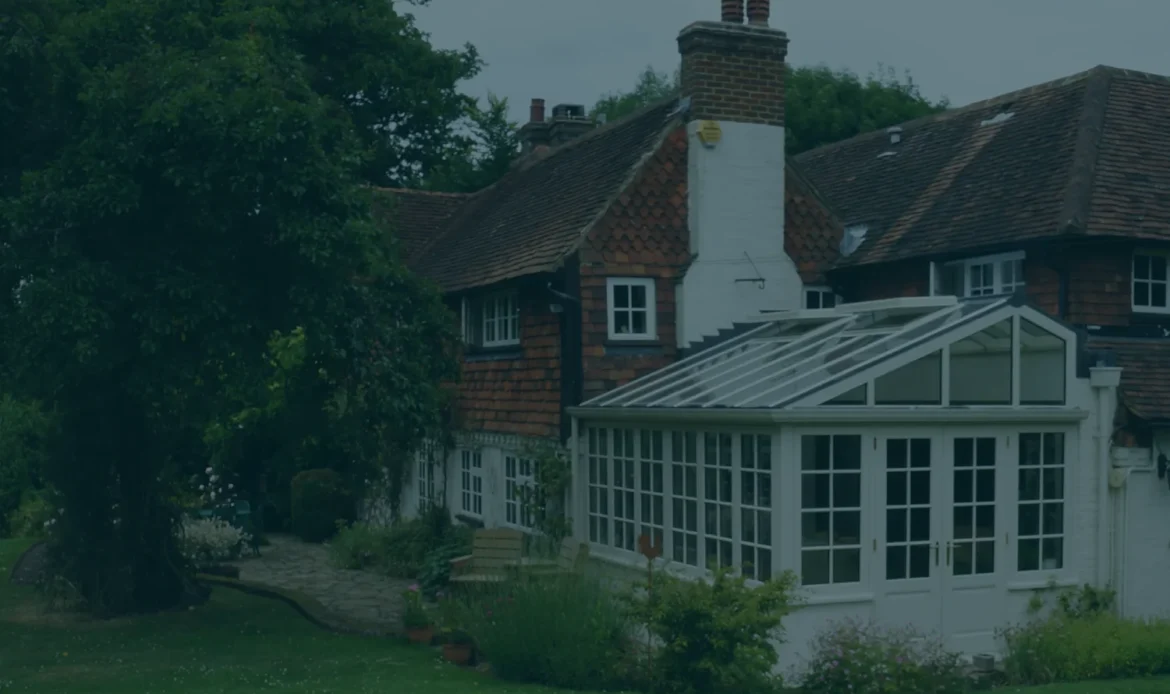
A well-made kitchen reveals itself in the details long before the first supper is served. The drawer closes with quiet confidence, the painted finish holds light beautifully through the day, and every cupboard seems to be exactly where it ought to be. That is why British handmade kitchen design trends are less about fashion for fashion’s sake, and more about how craftsmanship, architecture and daily life now meet in one of the hardest-working rooms in the house.
For discerning homeowners, the shift is clear. The kitchen is no longer a separate workspace tucked away from the rest of the home. It is a social room, a family room, often the visual anchor of an extension or reconfigured ground floor. As a result, the most relevant trends are those that bring together heritage character, practical intelligence and a finish that feels composed for years rather than seasons.
One of the strongest movements in recent years is the move away from kitchens as collections of units and towards kitchens as part of the architecture itself. This distinction matters. In a truly bespoke scheme, cabinetry is not simply fitted into a room – it helps define the room.
That may mean a mantel above the range that gives the elevation more presence, a bank of tall cabinetry that sits comfortably within the proportions of a period property, or a painted island designed to echo the scale of adjacent joinery. The effect is calmer and more permanent. Rather than looking newly installed, the kitchen feels as though it belongs to the house.
This is especially important in homes where owners are opening up layouts or adding glazed extensions. The kitchen now has to hold its own within a broader living space. Architectural detailing, thoughtful symmetry and bespoke proportions bring order to open-plan life.
If there is one material direction that continues to lead British handmade kitchen design trends, it is painted timber. Not because it is simply traditional, but because it offers a depth, softness and flexibility that other finishes rarely match.
Painted timber cabinetry sits beautifully in both period and contemporary settings. In one home, it can support classic framed doors, pantry cupboards and heritage ironmongery. In another, it can be pared back into quieter lines with restrained mouldings and a more contemporary palette. The common thread is refinement.
Colour is also being handled with more confidence. Instead of defaulting to bright white, homeowners are choosing nuanced shades that respond to light, flooring and adjoining rooms. Soft stone, chalky green, muted blue-grey and deeper, cocooning tones all have their place. The key is not novelty but balance. A kitchen should enrich the wider interior, not compete with it.
For that reason, painted finishes are increasingly selected as part of a whole-house conversation. When cabinetry, wall colour, glazing bars and architectural joinery speak the same visual language, the result feels sophisticated rather than over-designed.
Luxury in a kitchen is often less about what you can see and more about what you do not have to see. One of the most meaningful trends is the rise of concealed, highly tailored storage that allows the room to remain composed even during busy family life.
Pantry cupboards are a clear example. They continue to be highly sought after, but not merely as decorative features. The best ones are planned around real habits: breakfast preparation, dry goods, small appliances, school lunches or entertaining pieces. When storage reflects the rhythm of the household, the kitchen works harder without feeling harder worked.
There is also greater interest in cabinetry that reduces visual interruption. Integrated refrigeration, bin storage built into sensible prep zones, internal drawers behind framed fronts and utility spaces hidden behind full-height doors all contribute to a more settled room. This is not minimalism for its own sake. It is about preserving the elegance of the space while respecting how people actually live.
Kitchen islands remain desirable, but their role is changing. The oversized statement island with little thought beyond seating is giving way to islands that are carefully shaped around movement, sightlines and use.
In many homes, the island now acts as the bridge between kitchen, dining and garden-facing living space. It might include generous preparation space, discreet storage and informal seating, but it also needs to feel proportionate to the room. An island that is too dominant can make a beautifully designed kitchen feel crowded. Too small, and it loses purpose.
More considered designs are introducing furniture-like qualities – legs, end panels, open book storage or a subtly contrasting paint colour. These details can soften the mass of the island and help it feel more like crafted joinery than a block dropped into the middle of the room.
Another hallmark of current British handmade kitchen design trends is restraint in material selection. Rather than layering too many competing surfaces, homeowners and designers are choosing fewer materials and allowing each to speak clearly.
Painted timber cabinetry often forms the foundation, with natural stone, aged metal accents and tactile flooring adding contrast. The emphasis is on authenticity and longevity. Surfaces should patinate gracefully and still feel appropriate in ten years.
This does not mean every kitchen must be overtly traditional. Contemporary kitchens can be equally warm when natural materials are used with discipline. A honed worktop, a gently brushed handle finish and a carefully chosen splashback can bring richness without visual noise.
The trade-off is that restraint requires confidence. It can be tempting to add features in pursuit of impact, yet the most successful handmade kitchens often achieve their presence through proportion, craftsmanship and tonal harmony rather than decoration alone.
As expectations of the kitchen have grown, so too has the role of supporting spaces. Utility rooms, boot rooms and secondary preparation areas are no longer afterthoughts. They are being designed as part of a coordinated whole.
This is a particularly sensible response to modern family life. The main kitchen can remain elegant and open to entertaining, while noisier practical tasks are handled nearby. Laundry, pet care, extra refrigeration and household storage can all be absorbed into adjoining rooms without compromising the character of the principal space.
From a design point of view, this allows more freedom in the kitchen itself. Fewer compromises are needed when the pressure of every domestic function does not fall on one room alone. For larger properties and substantial renovations, this is often one of the most transformative investments.
A handmade kitchen can only look as good as the room that holds it. Increasingly, kitchen design is being planned alongside glazing, rooflights and the wider architectural envelope rather than fitted in afterwards.
This has a profound effect on the final result. Natural light changes how painted finishes are perceived, how colours read across the day and where the eye settles when entering the room. A bank of cabinetry may need balancing against large glazed doors. An island might be positioned to make the most of garden views. Task lighting can be discreetly integrated so evening use feels warm and atmospheric rather than harsh.
For homes undertaking significant remodelling, this joined-up thinking is invaluable. The kitchen performs best when cabinetry, structure and light have been considered together from the beginning.
Some trends fade quickly because they are driven by imagery rather than use. Highly stylised finishes, awkward open shelving and layouts that privilege appearance over circulation can date surprisingly fast. By contrast, the current direction in British handmade kitchen design is more grounded.
Homeowners are asking better questions. Will this palette still feel calm in five years? Does this layout support weekday mornings as well as weekend entertaining? Will the cabinetry sit naturally with the age and character of the house? These are the questions that lead to lasting decisions.
At the premium end of the market, there is also a growing appreciation for proper delivery. A beautiful design on paper is only part of the story. The quality of manufacturing, the precision of installation and the discipline of project management all shape whether the finished kitchen feels genuinely resolved. That is often the difference between a room that photographs well and one that lives beautifully.
For clients seeking a fully managed route, this level of orchestration has become part of the design trend itself. It reflects a broader desire for homes that are not only elegant, but intelligently executed from first concept to final handover.
The most enduring kitchens have never chased novelty. They respond to the house, support the life lived within it and reward close attention every single day. If there is one direction worth following, it is this: choose craftsmanship over spectacle, painted timber over passing fashion, and design that makes the room feel settled from the moment you walk in.