Built for living , loved for a lifetime.
About Us

Lorem Ipsum is simply dummy text of the printing and typesetting industry.
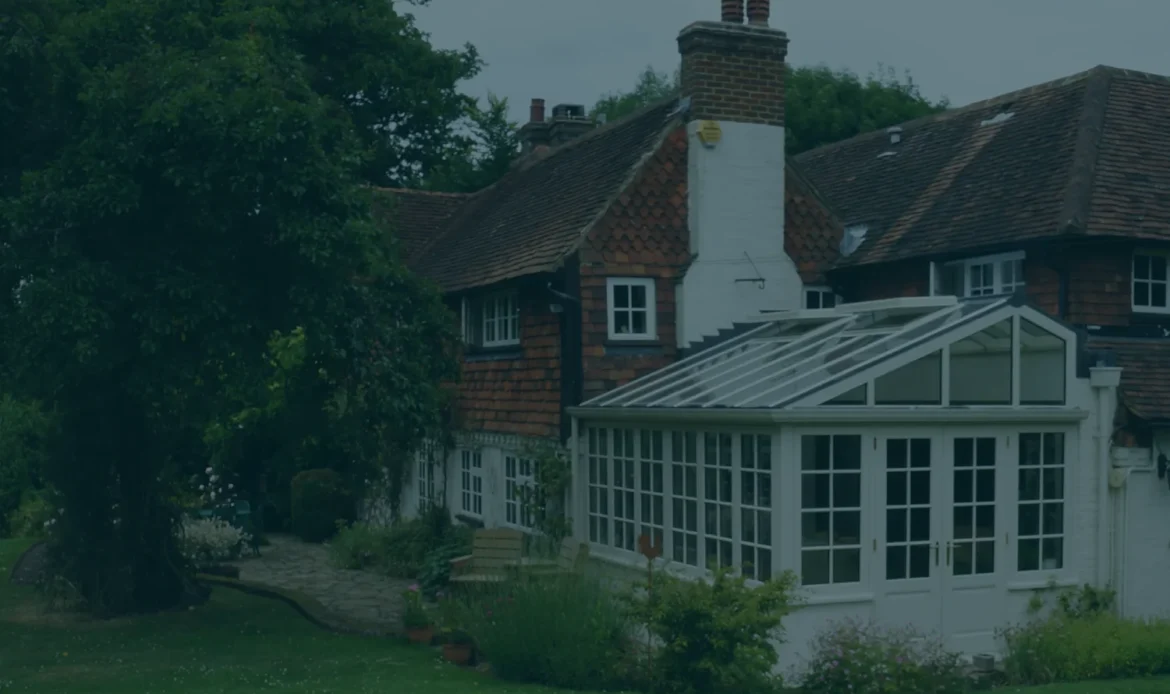
A well-made kitchen changes the rhythm of a house. It is where mornings begin half-awake over coffee, where children gather after school, and where dinner with friends drifts long past the final course. For homeowners considering handmade tulipwood kitchens Warwickshire offers a particularly fitting setting – period houses, carefully extended family homes, and architect-designed properties that deserve cabinetry with substance, proportion and staying power.
Tulipwood has long been valued in high-end painted cabinetry, and for good reason. It machines beautifully, holds crisp detailing, and provides a stable base for a refined painted finish. That matters in a kitchen, where doors are opened dozens of times a day, drawers carry real weight, and surfaces are expected to look composed years after installation rather than simply on handover day.
In Warwickshire, the appeal is often as much architectural as practical. Many homes in the county sit between heritage and modern family living. A Georgian townhouse may need a kitchen that respects original proportions while working hard for contemporary life. A countryside property may call for a room that feels generous and elegant without tipping into something overly ornate. Tulipwood suits both because it can be shaped into classic in-frame cabinetry, pared-back Shaker forms, or more tailored contemporary joinery with equal confidence.
There is also a quieter advantage. A handmade kitchen does not rely on standard sizes or filler panels to make a room work. It is designed around the room itself – its ceiling height, sightlines, natural light, and how the household actually lives. That difference is visible even to untrained eyes. The room feels settled, considered, and properly belonging to the house.
Not every timber behaves in the same way, and material choice should never be treated as a decorative afterthought. Tulipwood is often selected for painted cabinetry because it offers a fine, even grain and a dependable substrate for detailed joinery. If your aim is a beautifully painted kitchen with depth of colour rather than a heavy timber-grain look, it is one of the most sensible and elegant choices available.
That said, material selection is always a matter of fit. Tulipwood is ideal where the design centres on painted furniture-style cabinetry, carefully profiled frames, and a crisp finish. If a client wants a strongly expressed natural timber aesthetic, another species may be more appropriate. The right answer depends on the house, the design language, and how the kitchen connects with adjoining rooms.
For many Warwickshire homes, painted tulipwood lands in exactly the right place. It feels rooted in British joinery tradition, yet fresh enough for open-plan spaces, glazed extensions and kitchen-living rooms designed for modern entertaining.
A premium kitchen should not be designed only for the first six months after completion. It needs to work on a wet Tuesday in February as convincingly as it does for a Christmas gathering or summer drinks with doors open to the garden. This is where handmade cabinetry comes into its own.
Storage can be planned around the way a family actually uses the room rather than around a generic unit schedule. That may mean deeper pan drawers near the range, integrated breakfast cupboards that conceal visual clutter, a dedicated bar area for entertaining, or a walk-in pantry that takes pressure off the main kitchen elevation. It may also mean subtle architectural decisions, such as carrying cabinetry to full ceiling height in a tall period room, or keeping the furniture line lower in a space where glazing and garden views should remain dominant.
The beauty of tulipwood cabinetry is that it supports this level of tailoring without sacrificing elegance. Fine bead details, framed ends, pilasters, moulded cornices or simpler square-edged forms can all be executed with precision. The result is not merely bespoke for the sake of it, but furniture that improves the way the house functions.
When people talk about handmade kitchens, the conversation often stops at joinery quality. That is only part of the picture. A beautifully built kitchen can still feel awkward if the island is oversized, the circulation is poor, or the room ignores the architecture of the house.
The strongest projects begin with design discipline. Proportion, symmetry, light, and movement all matter. In a listed or character home, the cabinetry may need to feel as though it has always belonged there, picking up on existing panelling, architraves or room geometry. In a contemporary extension, the kitchen may need to soften large areas of glazing and bring warmth to a more architectural shell.
This is where a fully considered design-and-build approach offers real reassurance. The kitchen is not treated as an isolated purchase. It becomes part of a wider interior story that includes flooring, glazing, lighting, views to the garden, and the way adjacent dining or family spaces are used. Farrow & Jones approaches projects in precisely that way, with craftsmanship supported by architectural thinking and detailed delivery.
One of the greatest pleasures of a tulipwood kitchen is the painted finish. Because the timber takes paint so well, colour can be used with confidence – whether that means soft stone tones, muted greens, warm greys or deeper heritage shades that add character without overwhelming the room.
The right palette depends heavily on light and context. A north-facing room may benefit from warmer, more enveloping tones. A large garden-facing extension with generous roof glazing can carry richer colours without feeling heavy. In period homes, slightly chalkier, softer paint finishes often sit more naturally against original plaster, timber floors and aged brassware than anything too stark or glossy.
Two-tone schemes can work beautifully, but only when handled with restraint. An island in a deeper colour can anchor the room, while perimeter cabinetry remains lighter and more architectural. Done well, this gives the kitchen a furniture-like quality. Done badly, it can feel trend-led and restless. The distinction usually comes down to confidence in the design stage.
The difference is rarely one dramatic feature. More often, it is a series of disciplined decisions. Drawer fronts align cleanly with surrounding frames. End panels are properly resolved. Internal storage has been planned for real use, not showroom effect. Appliances are integrated without compromising the calm of the room. Stone surfaces, metal finishes and joinery details speak the same language.
This is especially important in open-plan homes, where the kitchen is always on show. Cabinetry must hold its own not just as a practical workspace but as part of the wider interior. It should sit comfortably with a dining table, upholstered seating, architectural lighting and views into the garden. In that setting, handmade tulipwood cabinetry offers a sense of permanence that flatter, less considered solutions struggle to match.
There are practical choices to weigh, of course. Very intricate traditional detailing can be exquisite, but may feel too formal in a relaxed family extension. Ultra-minimal cabinetry can look striking, but may not suit a period property or offer the same warmth. The best kitchen finds a middle line between beauty, usability and belonging.
Commissioning a handmade kitchen should feel exciting, not burdensome. For most homeowners, the challenge is not deciding whether bespoke quality is worthwhile – it is managing the number of moving parts involved in getting from first ideas to finished room.
A carefully managed process makes a substantial difference. Early stages should clarify how you live, what the room needs to achieve, and how the kitchen relates to the wider house. From there, design development, technical detailing, finishes, services coordination and installation all need to be handled with precision. Where the kitchen forms part of a larger extension, orangery or reconfigured ground floor, that coordination becomes even more valuable.
This is often where clients see the clearest distinction between a joinery supplier and a fully managed partner. A premium kitchen is not simply a set of cabinets. It is part of a transformed living space, and it deserves the same level of design intelligence and project oversight as the architecture around it.
For homeowners in Warwickshire, that means looking beyond door styles and sample colours. Ask whether the design responds to the house. Ask how the flow of the room has been tested. Ask how installation is coordinated with flooring, glazing, lighting and decoration. Those answers tend to reveal the true quality of the experience.
A handmade tulipwood kitchen is, at heart, an investment in how a home feels to live in every day. When the design is properly resolved and the craftsmanship is equal to the setting, the room gains something harder to measure than storage or square footage – a sense of ease, permanence and belonging that only deepens with time.