Built for living , loved for a lifetime.
About Us

Lorem Ipsum is simply dummy text of the printing and typesetting industry.
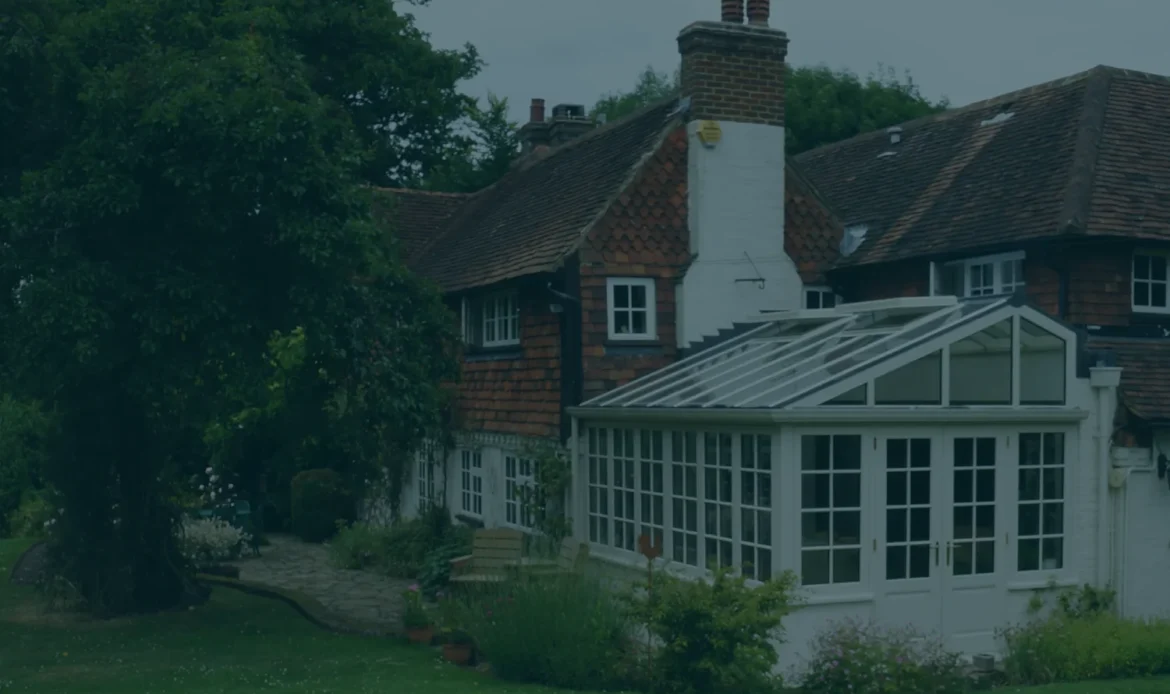
A beautiful glazed extension can look effortless on the finished day – light pouring in, garden views framed perfectly, and the room feeling comfortable in every season. Yet the quality of that experience is decided long before the glass is installed. The homeowner’s guide to premium glazing – U-values, solar control, and easy-clean glass explained – is really a guide to how a room will live, not just how it will look.
For homeowners investing in an orangery, garden room, roof lantern or glazed extension, glazing is one of the most consequential decisions in the entire scheme. It affects warmth in winter, glare in summer, maintenance, energy performance and, just as importantly, the calm, refined feel of the space. Premium glazing should never be treated as a line item to be value-engineered late in the process. It is part of the architecture.
When people first discuss glazing, they often ask for more light. What they usually mean is something more sophisticated. They want brightness without overheating, openness without draughts, and clear garden views without a room that feels exposed or laborious to maintain. This is why glazing specification matters so much.
In a high-quality extension, the best result comes from balance. The largest panes are not always the right answer. The lowest possible number on a performance sheet is not always the whole story either. A well-designed glazed space needs the right proportion of glass, the right frame design, and the right specification for orientation, use and architecture.
A south-facing kitchen-living extension in Surrey will behave differently from a shaded garden room in the Cotswolds. A period property with a painted timber orangery calls for a different visual approach from a sharply contemporary rear addition. Premium glazing is about making those choices deliberately.
U-values are often mentioned as shorthand for energy efficiency, but they are only useful if you understand what they measure. Put simply, a U-value tells you how quickly heat passes through a building element. The lower the number, the better the insulation.
For glazing, this matters because large areas of glass can lose more heat than insulated walls. In practical terms, better-performing glazing helps a room feel warmer near the windows on cold days and reduces the sense of chill that can undermine an otherwise beautifully designed space.
That said, there is nuance here. Homeowners will often see different U-values quoted for the centre pane, the whole glazed unit, or the complete window or door. These are not interchangeable. The whole-window figure is usually the most meaningful because it reflects the performance of the glass, spacer bars, seals and frame working together.
This is especially important in painted timber joinery, where the frame profile forms part of the architectural language. Slender, elegant sightlines are desirable, but they must be engineered intelligently so that visual refinement does not come at the expense of real-world performance.
It is tempting to think the answer is simply to chase the lowest available U-value. In practice, glazing performance is more layered than that. A room with excellent insulation can still become unpleasant if it suffers from excessive solar gain, harsh glare or poor ventilation strategy.
This is where a more considered specification comes into its own. In a lantern above an open-plan kitchen, for example, solar heat can build quickly in warmer months, particularly if the space faces south or west. If the glass is chosen solely for insulation, the room may still feel too hot by mid-afternoon.
The best glazing decisions are made in context. How is the room used throughout the day? Is it a family kitchen with morning sun, a dining space for evening entertaining, or a garden-facing sitting area intended for year-round comfort? These questions matter as much as the technical sheet.
Solar control glass is designed to reduce the amount of solar energy passing into a room. In plain English, it helps limit overheating while still allowing natural light to enter. In many luxury extensions, this is not an optional extra. It is fundamental to comfort.
Without it, a heavily glazed room can become too warm on sunny days, even outside the height of summer. This is particularly true in roof glazing, where the angle of the sun and the concentration of light can intensify heat gain.
A good solar control specification can make a dramatic difference, but again, there are trade-offs. Some solar control coatings can slightly alter the appearance of the glass or reduce the amount of light transmission. That does not make them a compromise in the negative sense. It simply means the right choice depends on the design intent.
If your priority is a soft, balanced quality of light in a kitchen orangery, reducing glare may improve the room more than maximising brightness at all costs. If your scheme relies on crisp, uninterrupted clarity in a north-facing elevation, the specification may differ. Premium design is rarely about absolutes. It is about appropriateness.
Easy-clean glass is often misunderstood. It does not mean self-cleaning in the sense that the glass never needs attention. What it does mean is that the outer surface has a specialist coating that helps break down organic dirt and allows rainwater to sheet away more evenly, reducing streaking and residue.
This is most useful where access is difficult – roof lanterns, high-level glazing and large overhead panels are the obvious examples. In these locations, easy-clean glass can reduce maintenance and help the glazing look better between cleans.
It is worth being realistic, though. In periods of low rainfall, in areas with heavy airborne residue, or where leaves and debris collect, the glass will still require care. Hard water spotting can also remain a factor depending on location. Easy-clean glass makes maintenance easier; it does not remove it entirely.
For many homeowners, that distinction is enough. In a premium extension, anything that supports a cleaner appearance and lowers ongoing effort is worth considering, particularly when the glazing is integral to the room’s visual impact.
Technical performance matters because it shapes atmosphere. A well-glazed room feels settled. It is bright, but not glaring. Warm, but not stuffy. Connected to the garden, but still reassuringly sheltered.
This is where premium glazing proves its value over time. You notice it when you sit beside the doors in January and the room still feels comfortable. You notice it during a summer lunch when conversation is not interrupted by heat and glare. You notice it when the garden remains crisply framed through clean panes and carefully detailed painted timber joinery.
The visual relationship between glass and frame matters too. In heritage-led homes, glazing should support proportion, depth and architectural character rather than fight against it. In more contemporary settings, it should still feel composed, not over-exposed. Glass is never just glass in a well-resolved scheme. It is a material that shapes mood.
If you are planning a glazed extension or reworking a significant rear elevation, ask not only what the glazing costs, but what the room needs. Consider orientation first. South- and west-facing spaces usually demand closer attention to solar control. Then think about how the room functions at different times of day and in different seasons.
It is also sensible to ask whether quoted U-values refer to the whole unit, how solar control will affect light transmission, and where easy-clean glass will make a meaningful difference rather than being applied indiscriminately. The answers should feel specific to your project, not generic.
This is one reason a fully managed design-and-build approach is valuable. Glazing decisions should sit alongside structural design, ventilation strategy, joinery detailing and the overall architectural intent. Farrow & Jones approaches these elements as part of one coherent whole, because comfort and beauty are achieved together or not at all.
The most successful projects do not treat U-values, solar control and easy-clean coatings as separate upgrades. They treat them as part of a joined-up specification that supports daily living. The right glazing allows a room to earn its place in the house from morning coffee to winter evenings, from family life to formal entertaining.
That matters all the more in a bespoke orangery, conservatory or garden room where glass plays such a prominent role. The investment is not simply in appearance on completion day. It is in how the space performs for years afterwards, how elegantly it sits within the house, and how naturally it supports the life around it.
If you are choosing glazing for a significant home transformation, resist the temptation to reduce the decision to a single number or a sales phrase. Ask how the space should feel. The right answer tends to begin there.