Built for living , loved for a lifetime.
About Us

Lorem Ipsum is simply dummy text of the printing and typesetting industry.
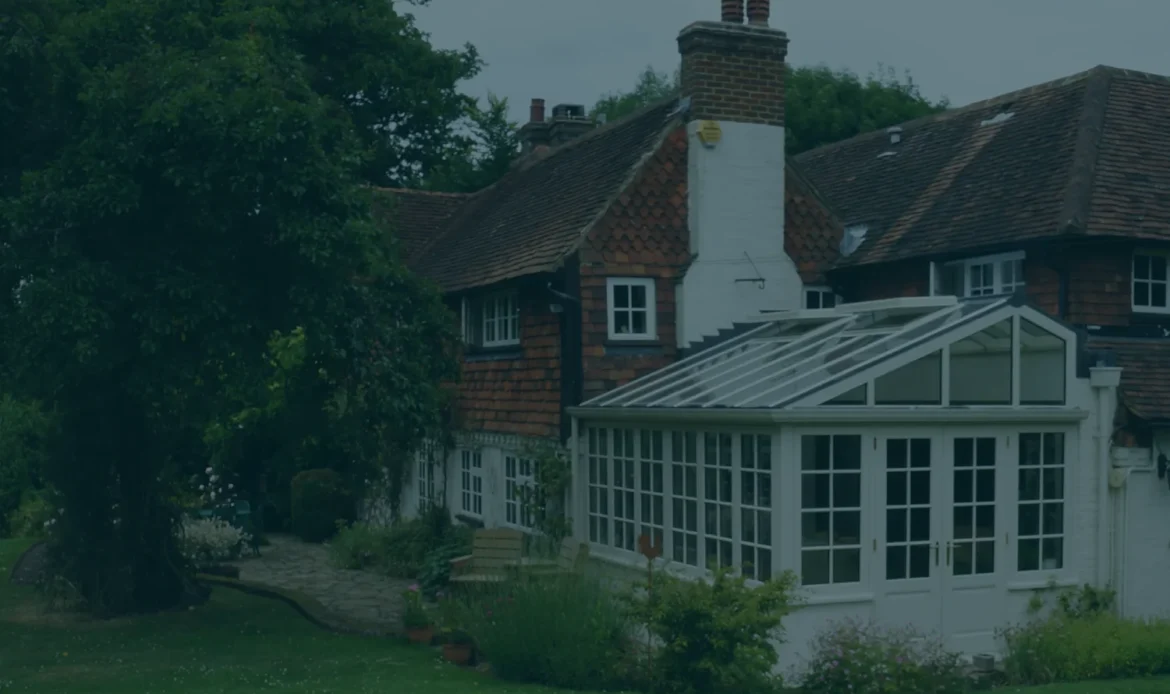
The difference often becomes clear at about half past seven on a winter evening. One space still feels composed, warm and part of the house. The other can feel more obviously glazed – bright by day, but less anchored once the light goes. If you are weighing up orangeries or conservatories, that distinction matters far more than labels.
Both can transform how a home lives. Both can draw in natural light, strengthen the relationship with the garden and create the sort of generous, sociable room many period and contemporary homes still lack. But they are not interchangeable. The right choice depends on how you want the room to feel, how your house is composed, and how permanent a contribution you want the extension to make to daily life and long-term value.
At first glance, the simplest distinction is architectural. A conservatory is typically more glazed, with a lighter visual presence and a stronger sense of being a garden room. An orangery usually has more solid structure – often including substantial columns, insulated perimeter roofing and a central roof lantern – which gives it the character of a true extension rather than an add-on.
That difference is not merely aesthetic. It changes the atmosphere of the room. Conservatories tend to celebrate transparency and views, making them especially appealing where the garden is exceptional and the brief is to sit within it. Orangeries offer a more settled, architectural quality. They frame light rather than surrendering entirely to it, which often makes them better suited to open-plan family living, kitchens and spaces used from morning to night.
In a well-designed scheme, either can be elegant. The question is not which is better in the abstract. It is which one belongs to your house.
If your ambition is to create a room that feels wholly integrated with the existing property, an orangery is often the stronger answer. Because there is more structure, there is more opportunity to echo the proportions, detailing and permanence of the original house. Cornices, pilasters, masonry interfaces and roof lantern design all help the extension sit comfortably within the architecture rather than reading as a separate glass appendage.
This is particularly valuable with period homes, where proportion and materiality matter. A painted timber orangery can be designed to respect heritage cues while still delivering the openness modern family life asks for. It can house a kitchen, dining area and soft seating without feeling visually overexposed. There is enough enclosure for cabinetry, lighting, art and furniture placement to work naturally.
It is also often the more comfortable choice for year-round use. Because an orangery combines generous glazing with more insulated structure, temperature control tends to be easier to manage well. That matters if the room is intended to be the everyday heart of the home rather than an occasional retreat.
A conservatory comes into its own when the desired experience is lighter, greener and more closely tied to the garden. If the site offers long views, mature planting or a beautiful sense of enclosure outdoors, a conservatory can feel wonderfully immersive. Morning coffee among spring borders, rain on the glazing, low winter sun across a limestone floor – these qualities are part of its appeal.
Architecturally, conservatories can also be a very graceful solution where a house would benefit from a more delicate intervention. Some properties do not want the visual weight of an extension with a heavier roof structure. In those settings, a refined painted timber conservatory can introduce light and elegance without competing with the host building.
That said, the success of a conservatory depends heavily on design discipline. Proportion, glazing pattern, ventilation, solar control and orientation all matter. Without careful handling, a room intended to feel uplifting can become too bright, too hot in summer, or less inviting on colder evenings. The best conservatories are never just glazed boxes. They are properly considered architectural rooms.
One of the biggest mistakes in this decision is focusing only on footprint. Clients often begin by asking how large the extension should be, when the more useful question is how they want to live in it.
If the space is to become the backdrop to family suppers, weekend entertaining and the everyday rhythm of cooking, reading and relaxing, an orangery usually offers greater versatility. It gives you more wall space, more visual structure and more freedom to layer the room. That can make a large room feel calmer and more resolved.
If, however, the aim is a luminous retreat connected to planting and seasonal change, a conservatory may offer exactly the right emotional quality. It can be less about replacing the kitchen as the hub of the home and more about creating a beautiful secondary space with its own mood.
This is where a tailored design process matters. The finest projects begin with lifestyle, sight lines and architecture, not a pre-set product type.
The homes that carry these additions best are those where old and new speak the same language. That does not mean imitation. It means proportion, scale and detailing have been carefully judged so the extension feels inevitable.
With orangeries or conservatories, coherence comes from several places at once: roof form, glazing rhythm, external joinery profiles, internal floor levels, colour palette and how the new room meets the original building. A painted timber structure offers notable refinement here because the finish can be selected to complement masonry, kitchen joinery and interior architecture with far greater subtlety.
For many discerning homeowners, the painted finish is not a decorative extra but part of the architecture itself. Rich, factory-applied coatings give depth, durability and a composed appearance that suits both classic and contemporary settings. In the right colour, the extension feels rooted rather than simply attached.
The romantic part of the decision is easy. The practical side deserves equal attention.
Planning requirements vary according to the property and setting, particularly with listed homes or houses in sensitive locations. An orangery may sometimes be treated more readily as an extension in planning terms because of its stronger architectural massing. A conservatory may appear lighter, but that does not automatically make approval simpler. What matters is how sympathetically the proposal responds to the existing house and site.
Performance is equally important. Glazing specification, ventilation strategy, solar gain and structural design all influence whether the finished room feels balanced across the seasons. Premium structures built in painted Sapele hardwood offer exceptional stability and weather resistance, but material quality alone is not enough. The design must be resolved as a whole – from roof lantern proportions to drainage details to how the room is heated and ventilated.
This is where a fully managed approach becomes valuable. Homeowners are often not short of ideas; they are short of time, clarity and confidence in how to bring those ideas together. Design, planning support, technical drawings, structural calculations and careful installation all shape the final result just as much as the visible joinery.
Asked bluntly, many people assume the answer must be the orangery. Often, it does add stronger long-term value because it tends to read more clearly as a permanent architectural extension and a more usable all-day room. Buyers generally respond well to spaces that feel fully integrated into the house.
But value is not only measured in resale terms. A beautifully judged conservatory can add a tremendous amount to how a property is enjoyed, especially where it captures a garden setting in a way no other room could. The more useful question is whether the new space deepens the quality of living in the home and feels appropriate to its architecture.
Rooms that look right, perform well and age gracefully tend to justify their investment. Rooms that chase fashion or compromise on design quality rarely do.
If you are still uncertain, imagine the room on an ordinary Tuesday in February rather than a sunny Sunday in June. Are you cooking in it, helping with homework, settling into a sofa after supper? Or are you stepping into it with a coffee, enjoying the garden and the changing light before moving back into the main house? That answer usually reveals which direction is right.
An orangery suits homeowners who want architectural weight, year-round comfort and a room that feels deeply integrated with the house. A conservatory suits those who want transparency, garden connection and a lighter expression. Neither should be chosen by shorthand. The best results come from reading the house carefully and designing the addition around the life you want it to hold.
For clients seeking that level of care, Farrow & Jones approaches each project as a complete architectural composition, with painted timber craftsmanship, structural expertise and rigorous project management working together from first concept to the final, sofa-ready room.
The most successful choice is usually the one that feels least like an addition and most like the home has finally become what it was meant to be.