Built for living , loved for a lifetime.
About Us

Lorem Ipsum is simply dummy text of the printing and typesetting industry.
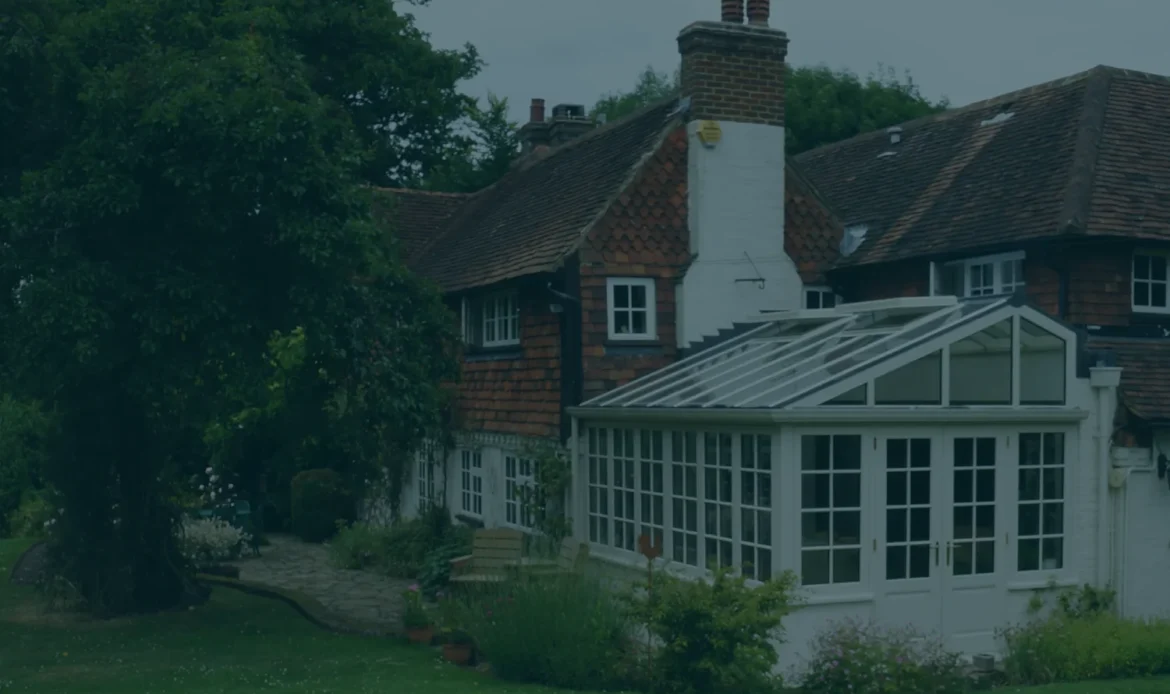
A beautifully designed orangery can feel effortless once it is built – full of light, perfectly proportioned and naturally connected to the house. Getting there is rarely effortless. The quality of the planning drawings for orangery projects often determines whether the process feels considered and controlled, or frustratingly disjointed from the outset.
For homeowners investing in a substantial extension, drawings are not a formality to tick off before the exciting part begins. They are where the design intent is tested, where planners can understand the proposal, and where early decisions begin to shape the finished room’s elegance, practicality and value. When an orangery is meant to sit comfortably against a period property or elevate a refined contemporary home, those details matter.
At first glance, planning drawings may seem straightforward – elevations, floor plans and site information prepared for a local authority submission. In reality, they do far more than support an application. They translate ambition into something measurable and credible.
For planners, the drawings show scale, massing, roof form, relationship to boundaries and the way the orangery will sit within the character of the existing home. For the homeowner, they provide an early picture of how the new space will work in everyday life. For the wider project team, they establish a baseline that can later be developed into technical, structural and manufacturing information.
That distinction is important. Planning drawings are not usually the final construction drawings. They are a design-led stage that proves the principle of the scheme and presents it clearly enough for a planning officer to assess. The strongest sets do that without losing the architectural quality that makes an orangery worth building in the first place.
Luxury home improvements rarely fail because the idea was poor. More often, problems begin when early drawings are too vague, too generic or disconnected from the realities of the house. A badly judged ridge height, an underplayed boundary relationship or a roof lantern that looks elegant on paper but compromises the internal proportions can all create avoidable setbacks.
Accurate planning drawings for orangery design help prevent that. They reflect the measured survey of the property, the character of the architecture and the practical constraints of the site. They also create better conversations early on. It is much easier to refine window proportions, roof pitch or rear projection on paper than once structural calculations, manufacturing drawings and installation dates are already moving.
For listed homes, homes in conservation areas, or properties with sensitive garden relationships, this level of precision becomes even more valuable. Planners are more likely to respond positively when the proposal feels carefully judged rather than imposed.
The exact contents depend on the property and whether planning permission is required, but a well-prepared package generally includes existing and proposed floor plans, elevations, roof plans and a site or block plan. In many cases, a design and access statement can also strengthen the submission, especially where the architectural context needs explanation.
Just as important as the individual drawings is the quality of thought behind them. The most persuasive schemes show that the orangery belongs to the house. That means the roof form should make architectural sense, the openings should respect the rhythm of the existing property, and the footprint should enhance daily living rather than simply add square meterage.
A premium orangery does not succeed because it is large. It succeeds because it is proportioned with discipline and designed around the way the home is actually used.
A proposed floor plan should reveal more than the outline of an extension. It should explain circulation, furniture layout, connection to kitchen or dining areas, and the way the new room relates to garden views and natural light.
This is especially relevant in orangery design, where the balance between solid structure and glazed elements is part of the appeal. Too much glazing and the room can feel visually thin or thermally compromised in concept. Too little and it loses the airy architectural character clients are seeking. The plan is often where that balance first becomes clear.
Elevations carry significant weight in planning decisions because they show how the orangery will appear externally. This is where pilasters, cornices, roof lantern proportions, door arrangements and glazing bars stop being decorative ideas and become part of the planning argument.
On a Georgian or Victorian home, poor elevation design can look jarring very quickly. On a newer property, the challenge is different – the orangery still needs to feel integrated rather than as though it has been attached as an afterthought. Good drawings convey restraint and coherence. They show that every line has a reason.
Homeowners sometimes assume that if an orangery looks attractive, approval should follow. Appearance matters, but planners are also assessing neighbouring amenity, scale, overshadowing, privacy and how the proposal fits local policy.
That is why experienced design teams take a broader view. They think about sight lines from surrounding properties, the impact of height near boundaries, and whether the extension reads as subordinate to the original house. They also understand where permitted development may apply and where a full planning application is the wiser route for certainty.
There is no single formula here. A rear orangery on a detached house in a generous plot may move through the process relatively smoothly. The same design on a constrained site, or attached to a character property in a more closely managed planning setting, may need much more careful handling.
There is a misconception that planning drawings should be as basic as possible, with the finer design work left until later. In lower-value projects that can happen. In a bespoke orangery, it is usually a false economy.
The planning stage is where proportion, architectural language and layout quality begin to establish themselves. If those decisions are postponed, the project can drift into compromise. Ceiling heights may feel mean, glazing may become awkwardly arranged, and the orangery may no longer have the calm, balanced presence that was envisioned at the start.
Well-considered planning drawings support better outcomes because they allow the design to mature in the right order. Once permission is secured, technical development can proceed with far greater confidence.
One of the most overlooked parts of any scheme is the point where the original building meets the new space. Done well, it feels entirely natural. Done poorly, it can make even an expensive extension feel unresolved.
Planning drawings should begin to address this relationship. That includes how openings are formed, whether masonry piers are retained or altered, and how the orangery roof sits against the existing structure. These decisions affect not only approval, but the character of the room once finished and furnished.
For clients pursuing a kitchen orangery or garden-facing family room, this connection often defines the whole experience of the space.
Once planning is approved, the project moves into a more detailed phase involving technical design, structural information, thermal performance considerations and manufacturing drawings. This is where a turnkey approach becomes especially valuable.
When the same team understands the design intent, the planning context and the realities of fabrication and installation, fewer details are lost between stages. That continuity tends to produce a more composed end result. It also gives the client a clearer route through what can otherwise become a fragmented process involving multiple consultants and contractors.
This is one reason high-end homeowners increasingly look for a design-and-build partner rather than a disconnected chain of suppliers. The best schemes do not just win approval. They carry their quality all the way through to the final finish, from the first measured survey to the last coat of factory-applied paint.
If you are at the point of considering an orangery, treat the planning drawings as part of the design investment, not a preliminary hurdle. Ask whether the drawings respond to the architecture of your home, whether the proportions feel convincing, and whether the layout genuinely improves how you live.
It is also worth asking who is thinking beyond planning. A refined orangery requires more than a passable application set. It needs a coherent thread running from concept to permissions, technical resolution, craftsmanship and installation. That is where a specialist team can make a noticeable difference.
At Farrow & Jones, that design continuity is central to creating spaces that feel beautifully integrated rather than merely added on.
The right drawings do more than help secure consent – they set the tone for an orangery that will feel settled, elegant and built for living for many years to come.