Built for living , loved for a lifetime.
About Us

Lorem Ipsum is simply dummy text of the printing and typesetting industry.
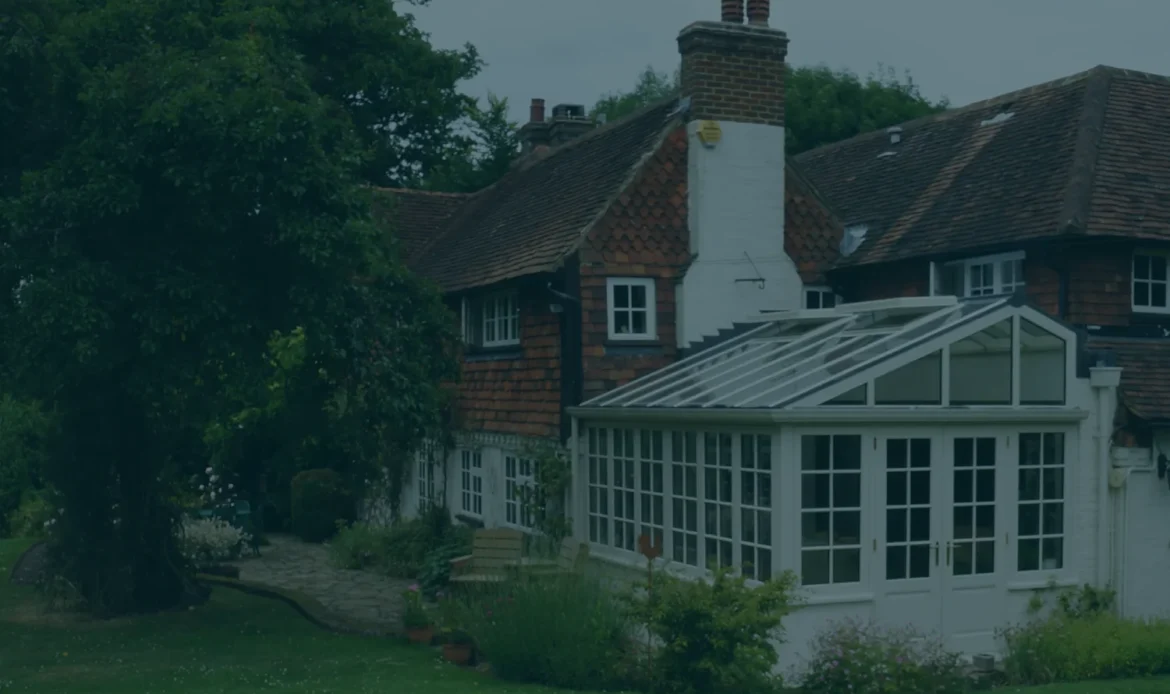
The debate around orangery vs conservatory continues, but understanding the orangery conservatory difference helps UK homeowners choose the best extension for their needs. Farrow Jones breaks down structure, performance and style to guide your decision.
A conservatory relies on mostly glass walls and roof with lightweight frames, often feeling more like a “bolt‑on” garden room. An orangery uses solid brick/stone dwarf walls, columns and a mainly solid roof with a glazed lantern, giving it extension‑like permanence.
Conservatories with 75%+ glazing often overheat in summer and chill in winter due to poor insulation. Orangeries, with solid elements and better roofing, maintain stable temperatures and comply with main house standards – ideal for daily kitchen or living use.
Both often fall under permitted development (up to 6-8m rear extension), but orangeries may need building regs approval as habitable extensions. Conservatories sometimes qualify for lighter rules if substantially glazed and thermally separated.
Conservatories typically cost less due to simpler construction, while orangeries command a premium for solid build quality and resale appeal. Orangeries hold value better as permanent features, unlike dated conservatories.
Conservatories offer airy, modern glass houses; orangeries deliver elegant, architectural refinement blending with your home’s character. Choose orangery for luxury, conservatory for budget brightness.
Compare orangery vs conservatory options for your UK home at farrowjones.com.