Built for living , loved for a lifetime.
About Us

Lorem Ipsum is simply dummy text of the printing and typesetting industry.
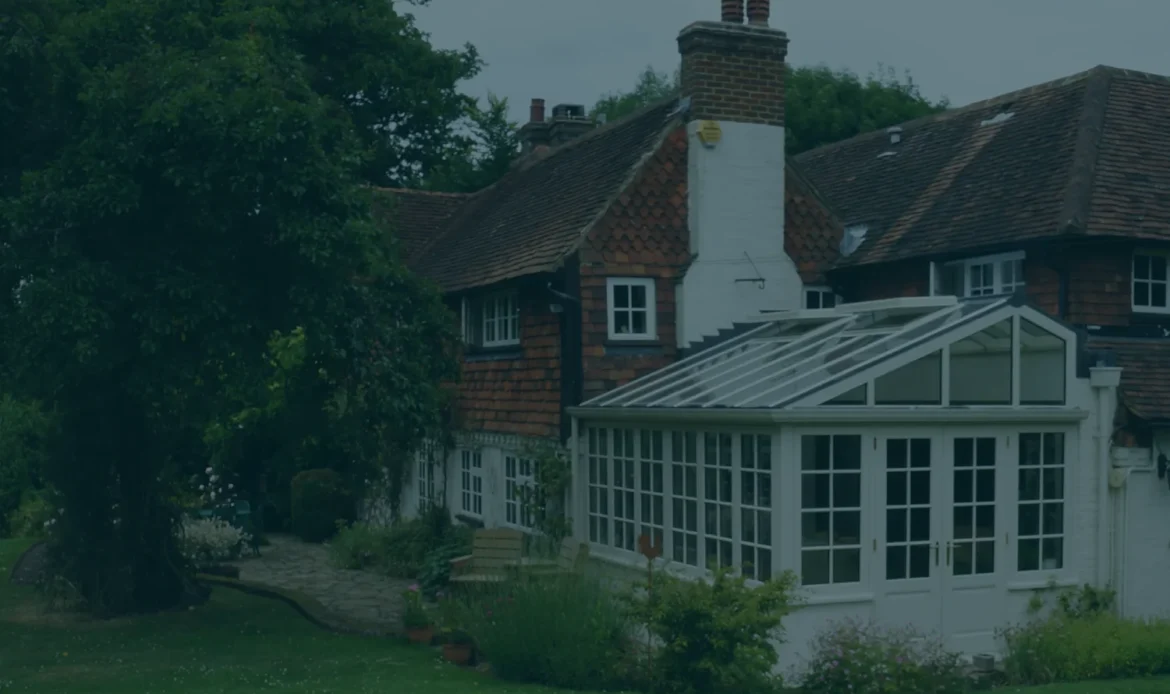
A beautifully conceived extension can lose its authority in the final millimetres: a glazing line that does not sit comfortably against existing brickwork, cabinetry that interrupts the architecture, or a threshold detail that looks elegant on paper but performs poorly through a British winter. Knowing how to choose a high end architectural joiner is therefore about more than finding a skilled maker. It is about appointing a partner with the design judgement, technical capability and care to make an ambitious space feel inevitable.
For a period house, a country home or a considered contemporary renovation, joinery often does the most visible work. It frames light, defines views, carries colour through a home and turns an extension into a room that genuinely belongs. The right appointment protects both the pleasure of the finished space and the value of the investment behind it.
A high-end architectural joiner should be interested in how you live, not simply the dimensions of an opening. Before discussing profiles, paint colours or furniture layouts, they should want to understand the relationship between house, garden and daily life. Is the new room intended for long family suppers, quiet mornings, entertaining, or all three? Does the kitchen need to recede into the architecture, or become the heart of it? Which views deserve to be framed, softened or concealed?
This conversation reveals whether a company designs spaces or merely supplies components. The best results come when an orangery, garden room, painted timber kitchen and fitted cabinetry are considered as one architectural language. Proportions, sightlines, cornices, colours and hardware should work together rather than compete for attention.
Ask to see work that resembles the challenge of your own property, not only a collection of attractive finished photographs. A Georgian house requires a different response to a Victorian villa, while a contemporary home may call for cleaner geometry and more restrained detailing. Similarity is not a requirement, but it demonstrates the ability to read an existing building with sensitivity.
A polished showroom can demonstrate taste. It cannot, by itself, demonstrate performance. When choosing an architectural joiner, ask specific questions about the construction beneath the paintwork, how elements are engineered, and how the business manages the junctions where weather, structure and craftsmanship meet.
For external structures, material selection must reflect exposure, scale and long-term movement. At Farrow & Jones, external architectural structures are made in painted Sapele hardwood, selected for its strength, stability and suitability for demanding outdoor conditions. Internally, premium Tulipwood provides a refined, stable substrate for painted kitchens and bespoke cabinetry. These are different applications with different demands, and a credible joiner should explain that distinction plainly.
Equally, ask how painted timber is protected. A beautiful colour has little meaning if it fails prematurely at vulnerable edges, joints or glazing interfaces. Factory-applied, multi-coat Teknos coatings offer controlled coverage and durable weather protection, but they are only one part of the picture. Detailing, drainage, ventilation and careful installation all influence how a structure matures.
The question is not whether a joiner can produce a sample board in your preferred Farrow & Ball colour. It is whether they can deliver a painted finish that remains composed after years of sunlight, rain, family life and regular use.
You do not need to become a structural engineer to make a sound decision. You should, however, expect clear answers. A high-end provider will be comfortable discussing glazing specifications, roof loading, thermal performance, ventilation, drainage and the way new work connects to the existing house.
Be alert to vague assurances. A complex glazed extension can involve structural calculations, energy considerations, planning requirements and building control coordination. Each project differs according to its location, conservation context, size and architectural ambition. The right joiner will identify these variables early rather than treating them as inconvenient details to resolve later.
For many homeowners, this is where the difference between a maker and a design-and-build partner becomes most valuable. The latter takes responsibility for converting the design intent into coordinated, buildable information.
A fine finished room is the visible result of hundreds of decisions made before manufacture begins. The process should give you confidence that those decisions are being controlled.
Ask how the design develops from early ideas into technical manufacturing drawings. Is there 3D visualisation that allows you to judge massing, daylight and furniture placement before commitments are made? Who handles planning submissions and validation where they are needed? How are site surveys recorded, changes approved and responsibilities divided between trades?
A well-run project is not one without complexity. It is one in which complexity is properly orchestrated. Existing homes are full of discoveries: uneven walls, concealed services, historic details and access constraints. A reputable joiner will explain how risks are investigated and managed, rather than promising an unrealistically simple build.
You should also establish who is accountable on site. Bespoke joinery sits alongside groundworks, roofing, glazing, electrics, plastering, stonework and decorating. Without rigorous project management, even excellent components can be undermined by poor sequencing. One point of responsibility, supported by experienced specialist trades, makes a material difference to the final result.
Testimonials are useful, but finished-project evidence is more revealing when you know what to look for. Request examples that show the work in context. Look at external elevations as well as interiors, at junctions with the original house, at rooflines and painted surfaces in natural daylight. Consider whether the proportions feel settled and whether the new architecture has an appropriate sense of permanence.
If possible, ask about projects completed several years ago. This is especially relevant for painted timber external structures, where longevity depends on the standard of design, fabrication, coating and fitting. A company that stands behind its work should be able to speak candidly about care, aftercare and the practical expectations of ownership.
There is also value in asking what was difficult. A thoughtful answer about a planning constraint, an unusual site or the integration of existing features often tells you more than a flawless portfolio narrative. It shows whether the team can solve problems without compromising the architectural idea.
The lowest initial figure is rarely a useful measure in a highly bespoke project, but neither is the highest proposal automatically the best choice. Compare scopes carefully. One quotation may include design development, structural input, project management, installation and finishing works, while another may cover only the joinery itself. What appears comparable at first can be materially different once the surrounding work is accounted for.
Clarity is the mark of a considered proposal. You should understand what is included, what assumptions have been made, where allowances apply and how changes are costed. This is not administrative detail. It protects the relationship, the budget and the design from avoidable compromises later.
The most valuable joiner will also know when to challenge an idea. Perhaps a profile is too delicate for its exposure, a roof proportion will diminish light, or an internal layout needs more room for circulation. Constructive challenge is not resistance to your brief. It is professional care for the finished home.
Personal rapport matters in a project that may shape your home for decades. You should feel listened to, well informed and confident that your preferences are being interpreted with precision. But trust should rest on more than a promising first meeting. It should be supported by design capability, engineering understanding, detailed documentation, material knowledge and a visible record of well-managed installations.
The finest architectural joinery does not announce itself through ornament alone. It makes a home brighter, calmer and easier to inhabit. When every line, colour and transition has been considered, the room feels ready not merely for photographs, but for real life – from the first quiet coffee to the fullest house at Christmas.
Choose a partner who can hold that wider vision from first sketch to sofa-ready finish, and the investment will continue to reward you long after the project team has left.