Built for living , loved for a lifetime.
About Us

Lorem Ipsum is simply dummy text of the printing and typesetting industry.
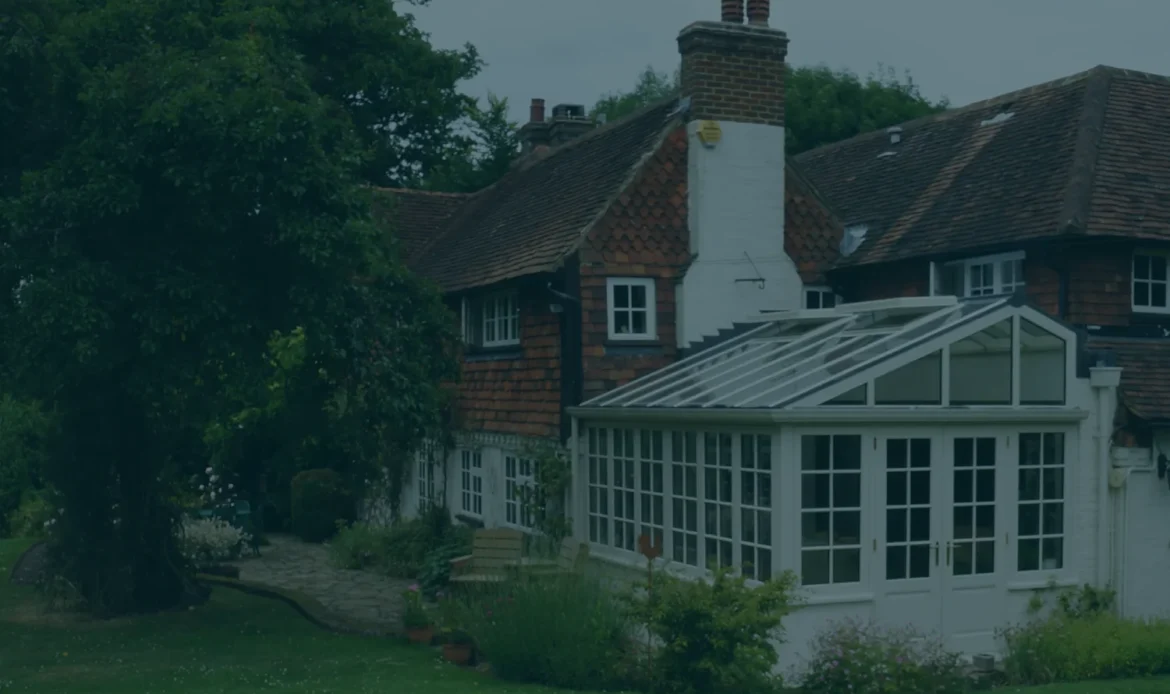
A conservatory should be the room that draws the family towards the garden on a bright winter morning, not one where water gathers on the glass before breakfast. Searching for timber conservatory condensation solutions usually means the room is not yet balancing warmth, ventilation and everyday living as it should. The answer is rarely a single product. It is a considered combination of glazing, joinery, heating, ventilation and the way the space is designed to be used.
Condensation is particularly disappointing in a beautifully finished painted timber conservatory because it can obscure garden views, leave sills damp and make a generous room feel chilly. Addressing it properly protects both the comfort of the room and the long-term performance of its materials.
Condensation forms when warm, moisture-laden air meets a cooler surface and falls below its dew point. In a home, that moisture is created through very ordinary moments: cooking supper in an open-plan kitchen, running a bath, drying laundry, entertaining friends or simply breathing in a well-used family room. The more people and activity a space accommodates, the more moisture it must be able to manage.
Glass is often the first place the issue becomes visible, especially overnight when external temperatures fall. Yet water on glazing is a symptom, not always the full diagnosis. Cold spots around roof junctions, underperforming glazing, restricted air movement and insufficient background ventilation may all be contributing.
Painted timber is not inherently the cause of condensation. Well-specified painted Sapele hardwood provides excellent structural stability for external architectural joinery, while a factory-applied multi-coat Teknos coating system offers durable weather protection. However, any conservatory, regardless of how finely made, needs the room around it to control moisture and retain heat intelligently.
Before specifying a remedy, establish where and when moisture is appearing. Is it confined to the glass on cold mornings, collecting at the base of roof glazing, forming around opening lights, or appearing on the internal faces of painted timber joinery? Each pattern suggests something different.
Condensation mainly on glass may point to high internal humidity, particularly if it follows cooking or a crowded evening in the room. Persistent moisture at edges and junctions can indicate that the glazing or detailing needs closer inspection. If mould is present on nearby walls, furnishings or blinds, the issue may extend beyond the conservatory and warrant a whole-house assessment of ventilation and heating.
It also matters whether the structure is new or longstanding. A newly completed extension can contain residual construction moisture, which normally reduces as the building dries out and is regularly ventilated. An older conservatory with a recent problem may have experienced a change in how the adjoining home is heated, occupied or ventilated. The most effective response follows evidence rather than assumption.
Ventilation is the foundation of lasting moisture control, but it should not mean leaving the room cold or exposed. Background ventilation allows humid air to escape gradually, while controllable opening lights provide a more immediate response when the room is occupied.
High-level opening roof vents are particularly valuable because warm, humid air naturally rises. Used alongside lower-level openings, they encourage a gentle stack effect: fresher air enters lower down and moisture-rich air exits at the top. This is often more effective than relying on one window being opened wide for a short period.
For a conservatory connected to a kitchen-living space, extraction in the kitchen is equally significant. A capable cooker hood, vented externally where appropriate, removes moisture at its source before it travels into the glazed room. Bathrooms, utility rooms and laundry areas should receive the same attention. A conservatory cannot compensate for moisture generated elsewhere in the house.
Mechanical ventilation may be appropriate where planning constraints, neighbouring properties or the room’s layout limit natural airflow. The right approach depends on the architecture and how the space is used. It should be discreetly integrated and specified as part of the wider building strategy, rather than added as an afterthought.
A conservatory intended for relaxed family life through every season needs more than expansive panes of glass. High-performance double or triple glazing, selected for its thermal performance and solar control, helps keep internal glass surfaces warmer. Warmer surfaces are less likely to attract condensation.
The specification should account for orientation. A south- or west-facing room may require solar control to temper intense summer sunshine, while a north-facing aspect may prioritise maximum heat retention. Roof glazing deserves particular care because it is exposed to the cold night sky and because heat rises. The most elegant design is one that considers the view, the light and the room’s environmental behaviour together.
Details matter at least as much as headline glass values. Properly designed junctions, insulated roof components and accurately fitted glazing reduce local cold spots where moisture can settle. In a bespoke painted timber structure, the rhythm of the glazing bars, the roof pitch and the placement of opening sections can be resolved to support both architectural character and practical comfort.
A conservatory that is heated only when it feels cold is more vulnerable to condensation than one held at a modest, stable temperature. When surfaces are allowed to cool dramatically, warm air entering from the main house meets colder glass and joinery, increasing the likelihood of water forming.
Underfloor heating can work beautifully in a garden-facing extension, offering an uncluttered floor plan and gentle, even warmth. Carefully positioned radiators or discreet trench heating may suit other schemes, particularly where large areas of glazing shape the architecture. There is no universal solution: the heating design should reflect the room’s size, glazing area, insulation levels and intended use.
Avoid placing bulky furniture directly against colder glazed walls or blocking heat sources with curtains. Air must circulate around the room. Consider breathable, carefully fitted blinds for glare and privacy, but keep them open where possible overnight in colder weather so air can move freely across the glass.
A well-designed room still benefits from thoughtful daily habits. After cooking, use extraction and allow it to run for a short period afterwards. When the conservatory hosts a large gathering, open appropriate vents to remove the extra warmth and humidity. If clothes are dried indoors, choose a separately ventilated area wherever possible.
A dehumidifier can provide useful short-term support, especially while diagnosing the source of a problem or during a particularly damp spell. It should not, however, become the only strategy in a room with persistent condensation. If it must run continually, the conservatory’s ventilation, thermal performance or heating arrangement merits professional review.
Keep an eye on relative humidity with a simple monitor. Most homes feel comfortable within a moderate range, and a reading that repeatedly climbs after ordinary activities is a useful prompt to improve extraction or introduce more background ventilation. This small piece of information can turn a vague complaint into a clear brief for a designer or building professional.
Occasional condensation does not mean painted timber joinery has failed, but standing water should never be ignored. Wipe down sills and glazing edges when needed, and ensure drainage paths and external weathering details remain clear. Regular inspection allows early signs of coating damage, seal deterioration or blocked drainage to be addressed before they become more involved repairs.
For a new bespoke conservatory or orangery, condensation management should be built into the concept from the outset. At Farrow & Jones, this means coordinating the painted Sapele hardwood structure, glazing, roof design, heating and ventilation with the character of the house and the way the room will be lived in. The result is not simply a brighter extension, but a space composed for lingering breakfasts, family evenings and a more connected relationship with the garden.
The most enduring solution is a conservatory designed to make light feel generous without making comfort conditional on the weather outside. When warmth, airflow and finely detailed painted timber joinery are considered together, clear glass and a calm, inviting room become the everyday expectation.