Built for living , loved for a lifetime.
About Us

Lorem Ipsum is simply dummy text of the printing and typesetting industry.
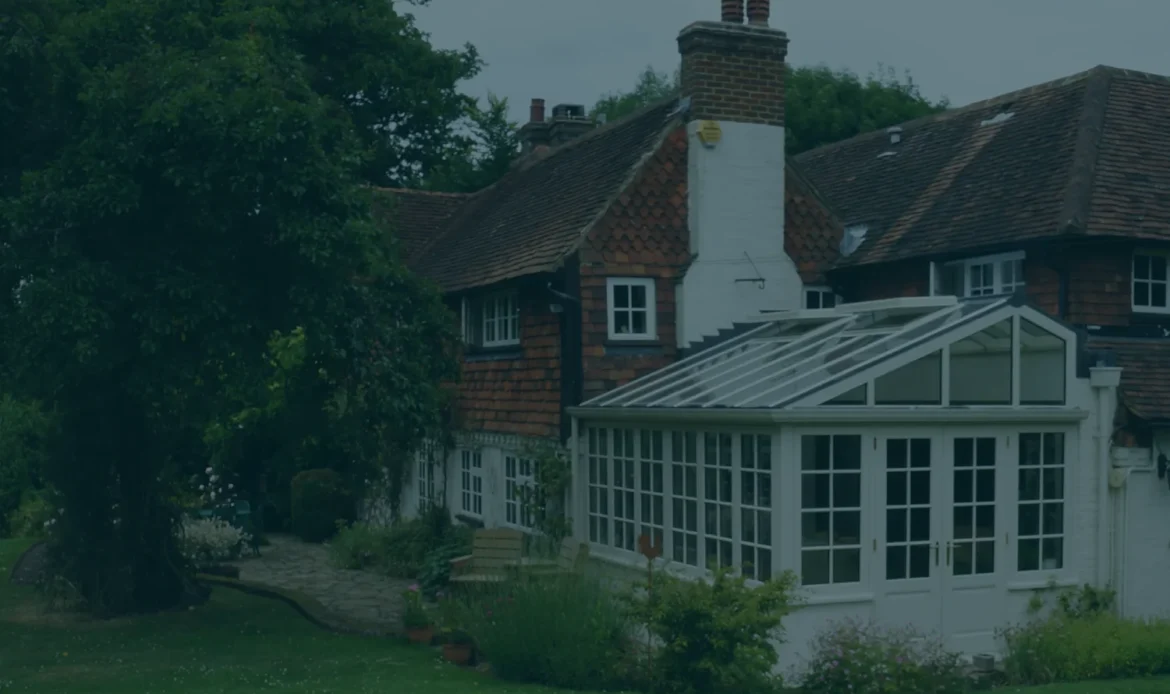
A beautifully designed conservatory can transform the way a home feels long before anyone asks what it cost. More light, stronger connection to the garden, a calmer rhythm to everyday living – these are often the reasons homeowners start exploring bespoke conservatory prices in the first place. The figure matters, of course, but so does understanding what you are truly investing in.
Unlike standardised additions, a bespoke conservatory is shaped around the architecture of the house, the quality of light on the plot, and the way the room will be used. That means pricing is rarely a single neat number. It is a combination of design ambition, structural complexity, material quality and the level of finish expected once the room is ready to live in.
When people compare prices, they often assume they are comparing like for like. In practice, they seldom are. One proposal may cover the visible structure alone, while another includes architectural design, planning support, technical drawings, structural calculations, glazing specification, installation and interior finishing.
This is why bespoke conservatory prices can vary so widely across the market. A truly tailored scheme is not just about manufacturing a glazed structure. It is about designing an extension that feels entirely at home with the property, performs well through the seasons and enhances the wider layout rather than simply adding square footage.
For period homes in particular, detailing has a significant effect on cost. Sightlines, mouldings, joinery profiles and roof proportions all need careful handling if the final result is to feel authentic. In a more contemporary setting, the same principle applies in a different language – slimmer framing, larger areas of glazing, refined junctions and a quieter architectural expression often call for greater precision.
At the upper end of the market, a bespoke conservatory is usually considered as part of a larger design-and-build investment rather than a standalone purchase. For a well-designed hardwood conservatory with a high level of specification, homeowners are often entering a budget territory from around £80,000 to £150,000 and beyond, depending on scale and complexity.
That range can move considerably. A smaller, elegantly detailed room attached to an existing reception space may sit at the lower end of a premium budget. A large kitchen-living conservatory with structural alterations, roof lanterns, bespoke joinery, underfloor heating and carefully integrated finishes will naturally rise beyond it.
The key point is that price follows scope. The more the new room needs to do architecturally and functionally, the more involved the project becomes.
Larger conservatories generally cost more, but the relationship is not always linear. A modest extension with intricate detailing, complex groundworks or difficult access can cost more per square metre than a larger room on a straightforward site.
Height also affects budget. Generous roof structures, tall glazing, elaborate eaves details and feature ridge lines all add presence, but they also add engineering, manufacturing time and installation complexity.
A simple rectangular footprint is one thing. A conservatory that wraps around an existing wall, steps out into the garden, or needs to align perfectly with unusual existing architecture is another. The more tailored the design, the more time is required at concept, drawing and manufacturing stage.
This is often where the value of bespoke work becomes most visible. Good design resolves awkward junctions, improves internal flow and ensures the extension feels as though it was always meant to be there. That intelligence is part of the cost, but it is also part of the lasting satisfaction.
In premium conservatory design, materials are not an afterthought. Hardwood timber remains a preferred choice for homeowners seeking warmth, longevity and architectural character. It offers a depth and refinement that suits both heritage properties and carefully judged modern homes, but it also requires skilled manufacture and finishing.
Joinery quality has a direct impact on price. So does the glazing specification, the roof build-up, ironmongery, paint finish and the way each element is detailed. Better materials tend to age more gracefully, perform more reliably and look more composed over time.
A conservatory should not be stunning in July and difficult in January. High-performance glazing, appropriate solar control, ventilation strategy and insulation all contribute to comfort throughout the year. These choices affect cost, but they are rarely the place to cut corners on a space intended for daily use.
Orientation matters too. A south-facing conservatory may need a more considered glazing specification than one on the cooler side of the house. If the room is intended as part of the main living area, thermal performance becomes even more important because comfort expectations are higher.
Some conservatories attach neatly to the home. Others require more intervention – removing external walls, installing structural steel, rerouting drainage, replacing patios, adjusting floor levels or strengthening foundations. These elements are not always obvious at first glance, yet they can materially influence the overall budget.
This is one reason early feasibility work matters. A well-managed project identifies likely structural and site constraints before the design is too far advanced, allowing the budget to evolve with clarity rather than surprise.
There is a meaningful difference between a conservatory that adds an occasional seating area and one that becomes the centre of family life. If the room is designed to accommodate dining, cooking, entertaining or everyday living, the specification often becomes more layered.
Floor finishes, lighting design, heating, bespoke cabinetry, window furnishings and internal joinery all contribute to the final figure. They also determine whether the room feels complete. A premium conservatory should not feel like an add-on – it should feel fully resolved.
If you receive several prices and one is dramatically lower, it is worth asking what has been excluded rather than assuming you have found better value. Design fees, planning input, engineering, decoration, site management, final snagging and aftercare may all be treated differently from one proposal to another.
This is where a turnkey approach can be particularly reassuring. When design, technical development and construction sit under one umbrella, the cost plan is usually more coherent because the people shaping the concept are also accountable for delivering it. Farrow & Jones works in this way because it allows detail, programme and finish to be managed with greater consistency.
The best starting point is not to ask, “What does a conservatory cost?” but “What do we want this new room to change in the way we live?” That question leads to a better brief. It helps define whether the priority is entertaining, family dining, a garden room with year-round comfort, or a brighter connection between kitchen and outdoors.
Once the purpose is clear, the budget can be aligned to the right scale and specification. It is also wise to allow room for the elements clients often decide to enhance as the design develops – flooring, lighting, joinery and landscaping are common examples.
A considered contingency remains sensible, particularly in older properties where hidden conditions can emerge once work begins. Period homes in counties such as Oxfordshire, Surrey or the Cotswolds often reward sympathetic improvement, but they can also present surprises behind walls and beneath floors.
Good value is not the lowest number on a spreadsheet. It is a room that sits naturally within the architecture, feels comfortable every month of the year and is built with the quality to endure. It is a process that protects your time, gives you confidence in decision-making and produces a result that elevates the whole house.
For many homeowners, the real return is measured in daily life. Breakfast in morning light. A space for family gatherings that does not feel improvised. A garden outlook that becomes part of the interior experience rather than something viewed through a back door. Financial value matters, especially in premium homes, but so does the lasting pleasure of a space that is beautifully judged.
If you are weighing bespoke conservatory prices, the most useful question is not how little the project can cost, but how well it can be designed, made and managed for the home you already love. Start there, and the investment tends to make much more sense.