Built for living , loved for a lifetime.
About Us

Lorem Ipsum is simply dummy text of the printing and typesetting industry.
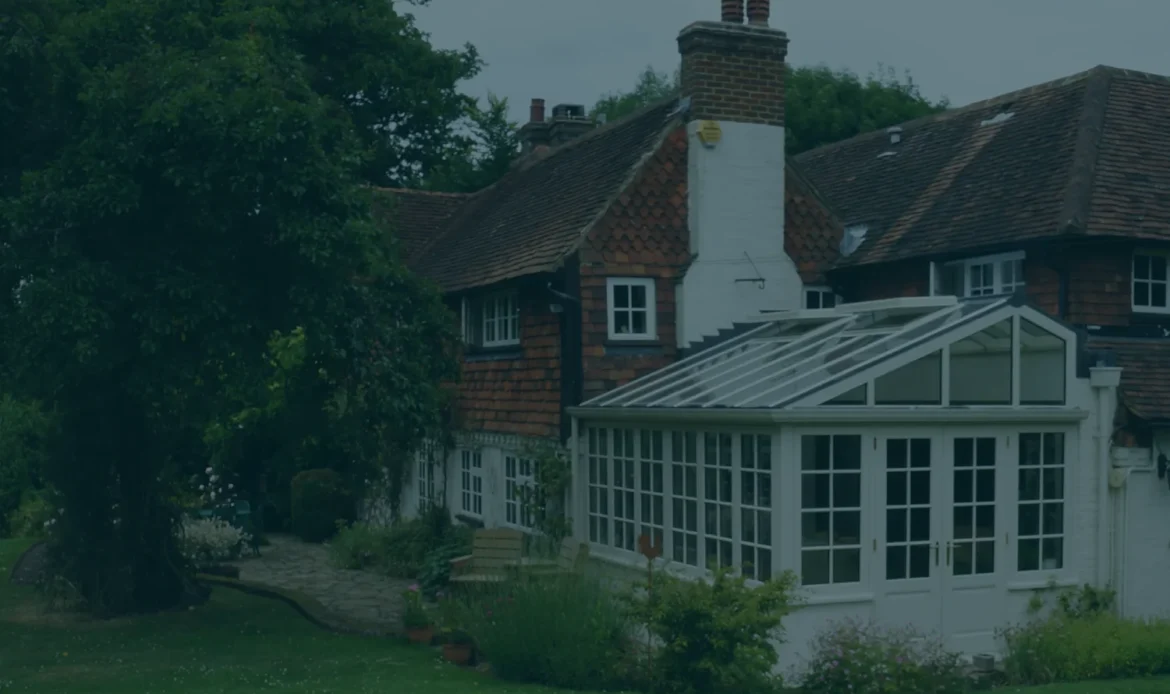
Choosing an orangery company is rarely just about who can build a room with more glass. For most homeowners searching for the best orangery companies UK specialists can offer, the real question is far more personal: who can reshape the way your home lives, feels and connects to the garden without compromising its character?
That distinction matters. A well-designed orangery should never feel like an add-on. It should read as though it belongs to the house, improve the flow of daily life and bring a sense of calm, light and permanence that lasts well beyond the excitement of the build itself. The companies worth considering are the ones that understand this from the outset.
At the premium end of the market, the difference is not simply materials or price. It is the quality of thinking behind the project and the standard of delivery that follows. The best firms approach an orangery as an architectural extension of the home, not a product to be dropped into place.
That means they begin with proportion, light, roof form and how the new room will sit against the original property. On a period home, this might involve carefully judged sightlines, masonry detailing and timber joinery that respects the age of the building. On a more contemporary house, it may be about restraint, clean internal volumes and a roof lantern that draws daylight deep into the plan without overwhelming the elevation.
The strongest companies also understand that design quality and build quality are inseparable. An orangery can look impressive in a brochure, yet still disappoint if the finishes feel ordinary, the room overheats in summer, or the connection to the existing house feels awkward. Good companies talk about aesthetics. Excellent ones talk about structure, thermal performance, planning, detailing and how the room will actually be used on a Tuesday morning as much as on Christmas Day.
One of the clearest ways to assess an orangery company is to see whether they lead with design or with packages. If the first conversation is dominated by standard sizes, quick prices and limited options, that is usually a sign the process is product-led.
A more considered company will ask how you want to live. Do you want a kitchen orangery that becomes the social heart of the house? A quieter garden room for reading and entertaining? A formal extension that restores balance to a listed or heritage-style property? These questions shape everything that follows, from glazing proportions to the size and position of a roof lantern.
There is a trade-off here. A bespoke, design-led approach often takes longer at the front end because there is more thought, more consultation and usually more technical coordination. Yet for homeowners investing significantly in their property, that extra care tends to pay back in a room that feels integrated rather than improvised.
Not all orangery companies build to the same standard, and material choices play a major role in both appearance and longevity. In higher-value homes, timber remains the benchmark for warmth, refinement and architectural authenticity, particularly where a project needs to sit comfortably alongside traditional brickwork, sash windows or handcrafted interiors.
Painted hardwood construction brings depth and elegance that is difficult to imitate. It also allows finer detailing and a more tailored finish, especially when paired with quality coatings engineered for long-term weather protection. For homeowners who care about the look and feel of joinery throughout the house, this is often the point where one company begins to stand apart from another.
Of course, material choice should not be discussed in isolation. It needs to be tied to maintenance expectations, exposure, site conditions and the style of property. The best companies will explain the practical implications clearly rather than simply presenting one option as universally right.
Many orangery projects become stressful not because the idea was wrong, but because responsibility is fragmented. One firm produces drawings, another deals with planning, a separate contractor handles structural work, and by the time the joinery is installed, the original vision has been diluted by compromise.
This is where the leading companies distinguish themselves. A proper end-to-end service should cover concept design, technical visualisation, planning and permissions where required, manufacturing drawings, structural and energy calculations, installation and final handover. That level of oversight protects quality at every stage and gives the client a much clearer route from first conversation to finished room.
For busy homeowners, architects and interior designers, this matters enormously. It reduces the burden of coordination, but it also creates accountability. If one company owns the process, there is less room for awkward gaps between what was promised, what was drawn and what was eventually built.
When reviewing the best orangery companies UK clients tend to shortlist, look beyond polished imagery. Beautiful photography is useful, but it is only the beginning.
Study whether the company shows projects that resemble your type of home. A business that excels in grand rural properties may not necessarily be the right fit for a refined townhouse, and vice versa. Look for consistency in proportion, detailing and finish rather than dramatic before-and-after claims.
Pay attention to how they speak about process. Do they explain planning considerations, thermal performance and structural design in a clear, confident way? Do they seem comfortable discussing complexities such as listed settings, conservation sensitivities or integrating a new kitchen within the orangery footprint? The best specialists are not vague when projects become technical.
It is also worth asking who will manage the work day to day. In premium residential projects, communication is part of the product. A beautifully designed orangery can still feel like a poor experience if the build lacks structure, updates are sporadic and decisions are left unresolved until site pressures force them through.
A serious orangery company should welcome detailed questions. Ask how they approach design in relation to the existing architecture. Ask what is bespoke and what is standard. Ask how finishes are specified and protected, and who is responsible for structural calculations and compliance.
You should also ask to see completed projects, not just concept visuals. There is a world of difference between a room that looks appealing on paper and one that feels balanced, substantial and beautifully resolved in reality.
Another useful question is how they define completion. For some companies, practical completion may mean the main structure is in place. For more service-led firms, completion means a space that is genuinely ready to furnish and enjoy – decorated, refined and resolved to a sofa-ready standard. That difference is worth understanding early.
There is a tendency to reduce every search to price, but with orangeries that can be misleading. Premium companies are not only charging for materials. You are paying for design intelligence, technical competence, project management, craftsmanship and the confidence that the finished space will enhance both lifestyle and property value.
That does not mean the most expensive quote is automatically the best. It means value should be judged against outcome. A lower initial figure can become far less attractive if it excludes essential elements, relies on heavy site-side improvisation or delivers a room that feels disconnected from the rest of the house.
For clients seeking a long-term investment, the best company is usually the one that can balance beauty with certainty. In practice, that means clear scope, high-quality joinery, thoughtful detailing and a process that feels calm rather than chaotic.
The most successful orangeries manage a subtle balancing act. They draw on the language of traditional architecture – solid pillars, elegant glazing, carefully considered cornicing, roof lanterns that bring rhythm and height – while supporting thoroughly modern living. Open-plan family life, entertaining, garden views and natural light all need to work effortlessly within the scheme.
That is why heritage sensitivity matters even in newer homes. Good design has memory. It understands scale, composition and restraint. The companies that do this well create spaces that feel as though they were always meant to be there.
For homeowners in design-conscious counties such as Surrey, Oxfordshire or the Cotswolds, this often carries particular weight because the setting, architecture and expectations are all higher. A generic extension stands out for the wrong reasons. A tailored orangery, by contrast, can elevate the entire house.
Farrow & Jones is one example of a company working in this more considered space, combining bespoke British craftsmanship with a fully managed design-and-build approach. That sort of model will appeal to clients who want one trusted partner rather than a chain of disconnected suppliers.
The right orangery company should leave you feeling reassured before a single spade is in the ground. Not because the process is simple, but because it is being handled with care, technical rigour and a clear sense of what the finished room ought to become. If a company can show you not just how it builds, but how it thinks, you are usually looking in the right place.