Built for living , loved for a lifetime.
About Us

Lorem Ipsum is simply dummy text of the printing and typesetting industry.
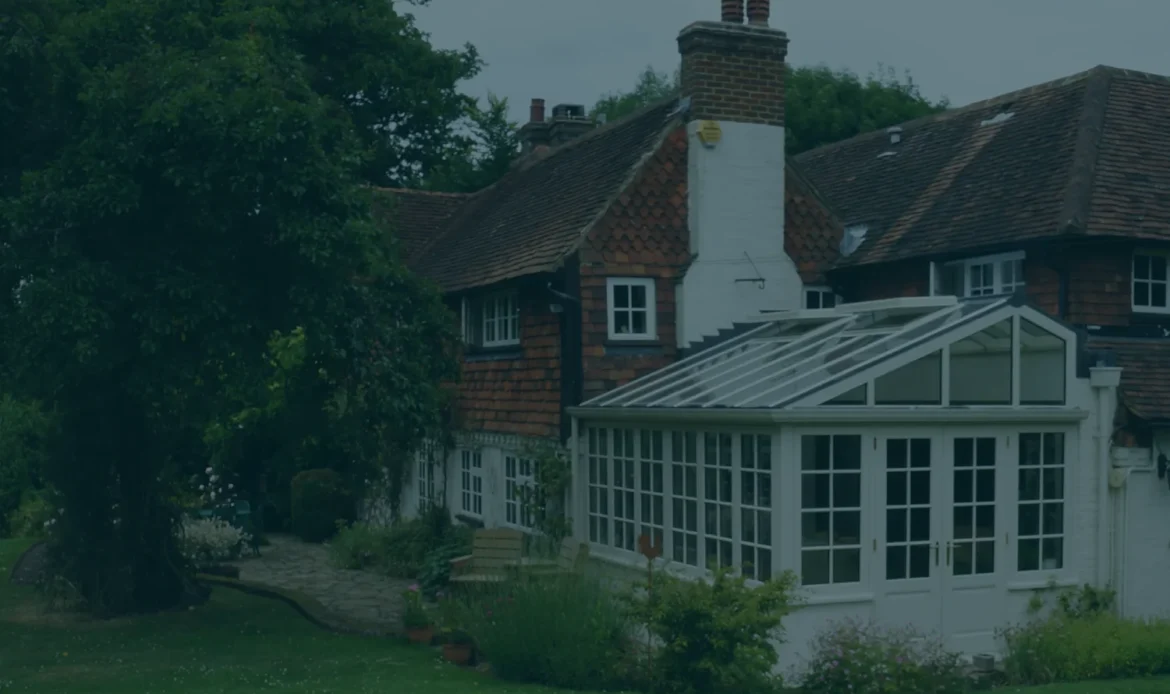
Ask an estate agent what buyers remember from a viewing, and it is rarely the boiler or the loft insulation. It is the room that changes how the house feels. That is why so many homeowners ask, do orangeries add house value? In the right setting, with the right design, they often do – but not simply because they add square footage.
An orangery can increase value when it feels like a natural, lasting part of the house rather than an add-on at the back. Buyers respond to spaces that improve light, flow and day-to-day living. A beautifully considered orangery does all three. It can turn a disconnected kitchen into the social centre of the home, create a calm garden room for year-round use, and give a property a stronger sense of architectural quality.
Yes, they can, but value is created through design quality, usability and how well the extension fits the house. A well-proportioned orangery with excellent materials and thoughtful detailing can make a home more desirable, and desirability is what drives stronger offers.
That said, there is no single percentage uplift that applies to every property. A period home in a sought-after village may benefit differently from a contemporary house in a commuter town. The ceiling value of the street matters. So does the existing layout. If your home already has generous entertaining space, the financial return may be more modest than the lifestyle return. If, however, the house lacks a strong family room or connection to the garden, an orangery can transform both use and appeal.
The best way to think about value is this: buyers pay more for homes that solve problems elegantly. Lack of light, awkward circulation, and cramped kitchen arrangements are common problems. An orangery can solve them in a way that feels refined rather than purely functional.
The appeal of an orangery is not just visual, although that matters. It sits in a sweet spot between extension and architectural feature. More substantial than a standard glazed addition, yet lighter and more connected to the garden than a conventional rear extension, it offers a sense of permanence and occasion.
For buyers, that often translates into emotional value. The room becomes easy to imagine living in. Breakfast with garden views, children doing homework at the table, late evening entertaining under a roof lantern – these are the moments people buy into.
There is also a practical side. A properly designed orangery can make the ground floor work harder. It may create space for a larger kitchen, a dining area that is actually used, or a second sitting space that prevents the whole household competing for one room. In family homes especially, that flexibility can be a serious asset.
Not all orangeries contribute equally to house value. Buyers can tell when quality has been prioritised, even if they cannot immediately name every detail. Proportion, craftsmanship and integration matter more than novelty.
A valuable orangery tends to share a few characteristics. It is designed in sympathy with the original property. The materials feel appropriate to the house. The roof lantern is scaled correctly. Sightlines into the garden are considered. Internal thresholds are handled well so the transition from old to new feels natural.
Performance matters too. A room that is too hot in summer or chilly in winter quickly loses its appeal. Good insulation, high-specification glazing, proper ventilation and sound structural design all contribute to a space that feels comfortable every day. Buyers may not ask for the thermal calculations at a viewing, but they will notice if a room feels balanced, solid and well finished.
This is often where premium design-and-build projects distinguish themselves. When architecture, technical detailing and craftsmanship are managed together, the result is usually more coherent. And coherence adds value because it gives buyers confidence.
A larger extension is not automatically a more valuable one. In many homes, a modestly sized orangery with elegant proportions and a well-planned layout will outperform a bigger space that dominates the house or garden.
The most successful schemes feel inevitable, as though the property was always meant to have this room. That is especially important for period homes, where buyers can be sensitive to anything that jars with the original character. A timber orangery with carefully judged architectural detailing can preserve that sense of heritage while making the house far more liveable for modern life.
Light changes perception. It makes rooms feel larger, calmer and more inviting. One reason orangeries appeal so strongly is their ability to draw daylight deep into the plan while still retaining a sense of enclosure.
Unlike fully glazed spaces that can sometimes feel exposed, an orangery often balances solid structure with generous glazing. That gives it a more room-like quality, which many buyers prefer. They want brightness, certainly, but they also want comfort and definition.
There are circumstances where the uplift is less pronounced. If the project is over-specified for the area, you may not recover every pound spent at resale, even if the room is exceptional. That does not mean it was the wrong decision, only that the return may be measured partly in how you live rather than what you recoup.
Layout mistakes can also reduce value. If an orangery eats too much garden, makes the ground floor feel disjointed, or leaves the original rooms dark and compromised, buyers may see it as a trade-off rather than an enhancement.
Poor execution is another risk. Mismatched materials, clumsy junctions, awkward rooflines and underwhelming finishes can make an expensive project look ordinary. In the upper end of the market, buyers are particularly alert to detail. They are not simply buying extra space. They are buying confidence in the quality of the whole home.
This depends on the property and the brief. A standard extension can add excellent value when it creates useful, well-designed living space. But an orangery often carries a different kind of appeal. It brings architectural character as well as function.
Where a conventional extension might be judged mainly on size and practicality, an orangery can elevate the perceived quality of the home. That matters in premium markets, where atmosphere, finish and distinction influence pricing just as much as floor area.
If the aim is to create a statement kitchen-living room or a beautifully integrated garden-facing space, an orangery may have the edge. If the aim is simply to add another box of square footage, a different extension route may be more appropriate. The right answer is rarely about trend. It is about what complements the house and improves how it works.
The strongest returns usually come from getting the fundamentals right at the start. Begin with the house itself. Its architecture, setting and existing layout should shape the design. An orangery should not be a generic solution applied to every property in the same way.
Think carefully about use. Will the room extend the kitchen? Become a dining and entertaining space? Act as a quieter family room with garden views? Clarity here leads to better planning, and better planning leads to a room that buyers instantly understand.
Invest in design detailing that lasts. Quality joinery, well-chosen materials, elegant roof glazing and a refined interior finish all contribute to the overall impression. So does the way the project is delivered. A fully managed process that includes planning support, technical design and installation oversight tends to produce a more resolved result than a piecemeal approach.
For homeowners considering a bespoke orangery, this is where companies such as Farrow & Jones bring particular value – not only in craftsmanship, but in creating spaces that feel fully part of the home rather than added after the fact.
An orangery can absolutely add house value, but the best projects do more than improve a future sale price. They change how a home is lived in now. They make everyday routines feel easier, brighter and more connected. They allow a house to grow with its owners without losing its character.
That combination is why buyers respond so well to them. They are not just paying for extra metres. They are paying for a home that feels better organised, more beautifully resolved and more enjoyable to live in.
If you are weighing up whether an orangery is worth the investment, the better question may be this: will it make the house more complete? When the answer is yes, value usually follows.