Built for living , loved for a lifetime.
About Us

Lorem Ipsum is simply dummy text of the printing and typesetting industry.
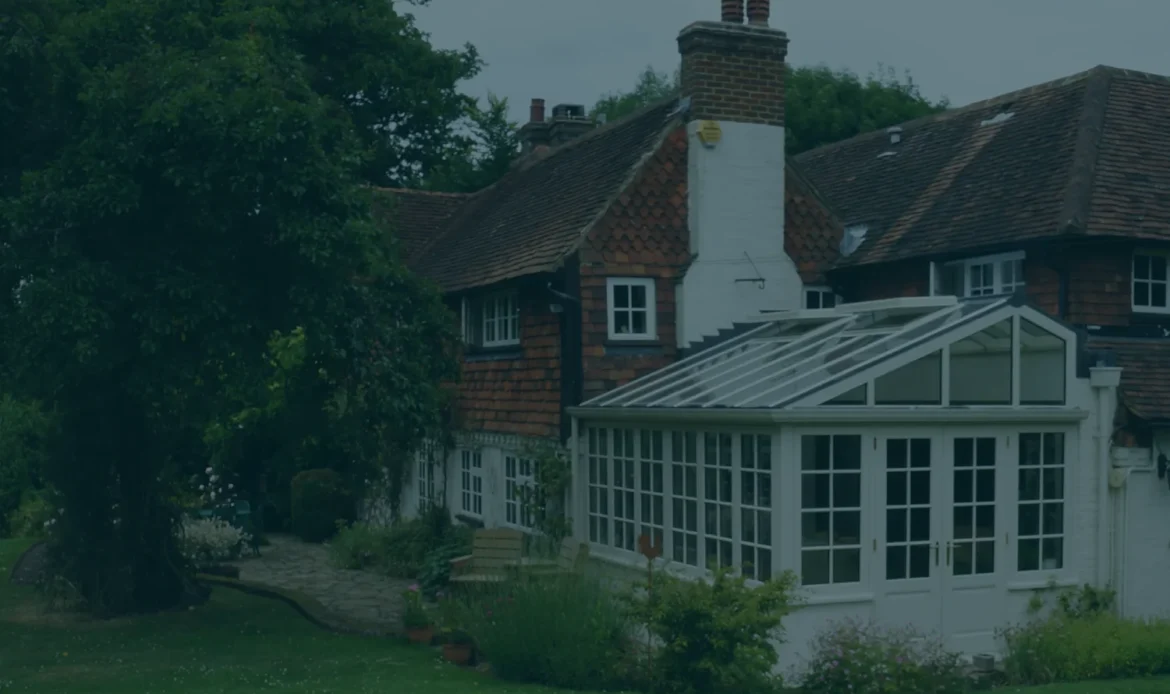
A well-designed conservatory should never feel like an add-on. In the finest homes, it becomes one of the most naturally used rooms in the house – a place for long breakfasts, evening drinks, family gatherings and quiet afternoons with the garden in full view. That is why the top features in luxury conservatories are not simply decorative details. They are the elements that shape how the room feels, performs and connects with the rest of the home.
For discerning homeowners, the difference lies in design discipline as much as visual appeal. A luxury conservatory should sit comfortably within the architecture of the property, bring in generous natural light, and feel as composed in January as it does in July. The best results come from balancing craftsmanship, proportion and everyday practicality.
At the upper end of the market, quality is rarely about a single statement feature. It is about how several carefully judged decisions work together. The glazing, the structure, the roofline, the internal sightlines, the joinery details and the choice of materials all contribute to a room that feels considered rather than assembled.
This is also where trade-offs matter. More glass can create a striking sense of openness, but only if solar control, ventilation and orientation have been handled properly. Rich timber detailing brings warmth and character, but it must be expertly designed and finished to retain its elegance over time. Luxury, in this context, is not excess. It is restraint, precision and comfort.
Among the most enduring top features in luxury conservatories is the use of beautifully crafted hardwood timber. Timber brings depth, texture and authenticity that are difficult to replicate with other materials, particularly in period homes and architecturally sensitive settings.
Its appeal is not merely aesthetic. A bespoke hardwood structure allows for finer detailing, elegant mouldings and tailored proportions that suit the house rather than forcing the house to suit the extension. In a Georgian property, that may mean formal symmetry and slender glazing bars. In a country home, it may call for a softer, more relaxed architectural language. Either way, timber offers a richness that feels at home in premium interiors.
There is also a practical advantage. Properly specified and professionally finished hardwood performs exceptionally well and can be maintained for the long term. For homeowners looking beyond trends, that sense of permanence matters.
Light is central to any conservatory, but in a luxury scheme it needs to be managed as carefully as it is welcomed. High-performance glazing is one of the most important features because it affects temperature, glare, privacy and the room’s usability across the seasons.
The best conservatories use glazing specifications tailored to the orientation of the property. A south-facing room may need stronger solar control to prevent overheating in summer. A north-facing design may focus more on thermal efficiency and clarity of light. Roof glazing and vertical glazing should work together, rather than being treated as separate decisions.
This is often where premium projects distinguish themselves. The room feels bright without becoming harsh, warm without feeling stuffy, and open without sacrificing comfort. It is this quiet performance that allows a conservatory to become a genuine living space rather than a room used only on certain days.
The roofline does much of the visual heavy lifting in a conservatory. It determines the silhouette from the garden, the sense of volume inside and the way daylight travels through the space. A well-resolved roof gives a conservatory its character.
In luxury projects, this might take the form of a lantern-style centrepiece, refined ridge detailing, decorative cresting used with restraint, or a more contemporary glazed roof with crisp, elegant lines. The right solution depends on the house itself. A listed or period property may call for heritage-led detailing, while a more modern home may benefit from simpler geometry.
What matters is proportion. If the roof is too busy, the room can feel overdesigned. If it is too flat in expression, it can lose the sense of occasion that clients often want from this kind of investment. The strongest designs achieve visual presence without noise.
One of the most overlooked features in any conservatory is the transition between old and new. In luxury homes, this connection should feel natural and properly integrated, not like a threshold between two unrelated spaces.
That often starts with layout. A conservatory opening from a kitchen, dining room or family space should support the way the household actually lives. Wide openings, aligned floor levels and considered sightlines make an enormous difference. So does the treatment of the junction itself. When structural alterations are handled well, the conservatory becomes part of a broader living environment rather than a destination at the end of the house.
Material continuity helps too. Flooring, joinery colours, skirting profiles and interior detailing should be considered as part of a whole scheme. The result is calmer, more elegant and far more liveable.
A luxury conservatory should earn its place in the home every month of the year. That means temperature regulation cannot be an afterthought. Underfloor heating, discreet ventilation and glazing performance all play a part, but they need to be designed in from the outset.
Underfloor heating is often particularly effective because it preserves clean wall lines and creates a more even sense of warmth. In rooms with generous glazing, that matters both visually and practically. Ventilation is equally important, especially where the conservatory is part of an open-plan kitchen-living arrangement. Roof vents, opening lights and carefully planned air movement can make the room feel fresh even on hot days.
There is no single formula for every property. The right approach depends on orientation, room size, intended use and the surrounding architecture. But genuine comfort is one of the clearest markers of quality.
The finest conservatories are not just well built. They are beautifully finished. Bespoke internal joinery, from pelmets and architraves to window boards and cabinetry, gives the room the refinement expected in a premium home.
This level of detailing is often what makes the space feel sofa-ready rather than halfway complete. It can soften the abundance of glass, introduce warmth and create a stronger relationship with adjoining rooms. In some schemes, built-in seating or display cabinetry can add both usefulness and elegance, especially in garden-facing family spaces.
The standard should be the same as the rest of the house, if not better. A conservatory that looks impressive from outside but lacks interior finish can quickly feel disappointing in daily use.
Natural light may be the headline attraction, but artificial lighting is what allows a conservatory to remain inviting after sunset. This is particularly important if the space is used for dining, entertaining or as part of a wider open-plan arrangement.
Luxury schemes tend to layer lighting rather than relying on one central fitting. Wall lights, discreet downlighting, table lamps and accent lighting can each play a role, depending on the architecture and mood required. The goal is to avoid the flat, overly bright effect that can make glazed spaces feel exposed at night.
A conservatory should feel intimate in the evening, not theatrical. Lighting that is warm, controlled and sympathetic to the room’s materials helps achieve that balance.
Perhaps the most important feature of all is harder to photograph. A luxury conservatory should belong to the house. It should respect the property’s architecture, scale and setting so convincingly that it feels like a natural extension of the original design.
This is where bespoke design earns its value. The proportions of the glazing, the pitch of the roof, the width of the frames and the decorative language all need to be tailored to the building. A fine period house may require sensitivity to heritage character and planning context. A substantial modern home may need cleaner lines and a more minimal frame profile. Either way, the conservatory should enhance what is already there.
For homeowners investing at this level, that sense of belonging is often what separates a beautiful room from a merely expensive one. It protects the character of the house while improving the way it is lived in.
The most successful conservatories are not built around a checklist. They are shaped around lifestyle. A family that loves informal entertaining may prioritise broad garden views, open flow from the kitchen and durable finishes. A couple looking for a quieter retreat may focus more on symmetry, privacy and a softer, more contemplative interior feel.
That is why the early design stage matters so much. The top features in luxury conservatories are only valuable when they support the way the room will actually be used. Good design asks better questions before it offers answers.
At Farrow & Jones, that approach has always centred on tailored living, British craftsmanship and spaces designed to feel entirely at home within the wider property. When the architecture is right, the materials are properly chosen and the details are resolved with care, a conservatory becomes far more than an extension. It becomes the room everyone quietly gravitates towards.
The best place to start is not with what looks impressive on paper, but with what will still feel beautiful, comfortable and entirely right ten years from now.