Built for living , loved for a lifetime.
About Us

Lorem Ipsum is simply dummy text of the printing and typesetting industry.
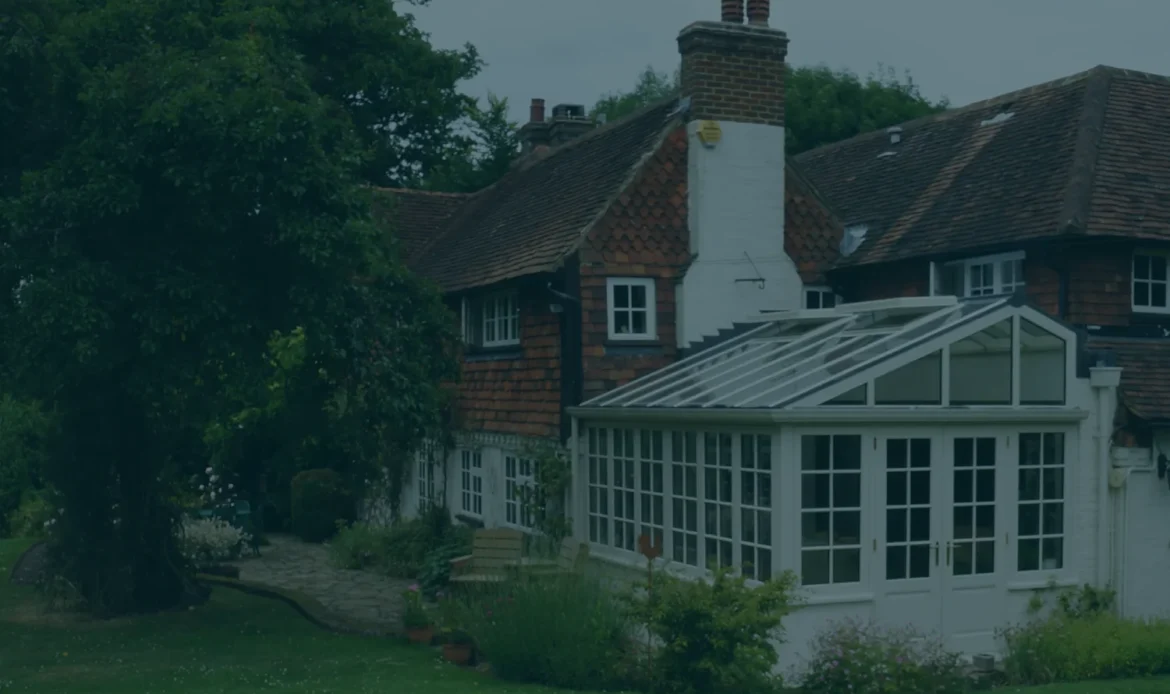
A well-designed roof lantern kitchen extension changes more than the light levels. It alters how a room feels at breakfast, how it carries conversation in the evening, and how confidently the kitchen sits within the architecture of the house. In the right setting, a roof lantern does not simply brighten an extension – it gives the space stature, rhythm and a natural focal point.
For homeowners investing in a kitchen extension, that distinction matters. The best schemes are not just larger rooms with more glazing. They are carefully balanced spaces where daylight, proportion and materiality work together. A roof lantern can be central to that balance, particularly when the ambition is to create a kitchen that feels generous, refined and deeply connected to the garden.
Flat-roof extensions are often the most elegant way to extend from a period home or to keep the rear elevation clean and understated. Yet without overhead glazing, they can rely heavily on doors and windows at the back, leaving the middle of the room less animated by natural light. A roof lantern addresses that beautifully.
Because it draws daylight from above, it reaches the heart of the plan rather than just the perimeter. Kitchen islands, dining tables and circulation routes all benefit from a more even quality of light. On dull winter afternoons, that can make the room feel notably more open. On brighter days, it gives surfaces and joinery a clarity that side glazing alone rarely achieves.
There is also an architectural reason roof lanterns remain so popular in high-end kitchen extensions. They introduce height and shape without asking the whole extension to become visually dominant. From outside, the form can remain sympathetic to the existing property. From inside, the ceiling gains lift and ceremony.
A roof lantern kitchen extension succeeds when the lantern is properly scaled to the room beneath it. Bigger is not always better. A lantern that is too large can overwhelm the roofscape, create excessive solar gain and make a carefully detailed kitchen feel exposed rather than composed.
In many projects, the most successful approach is to position the lantern in relation to how the room will actually be used. Over an island, it can create a sense of focus and occasion. Over a dining area, it can soften the transition between kitchen and garden room. In a wider open-plan extension, two smaller lanterns sometimes offer better visual discipline than one oversized structure.
This is where bespoke design becomes invaluable. Ceiling heights, ridge lines, furniture layouts and sightlines to the garden all need to be considered together. A roof lantern should feel as though it belongs to the architecture rather than being added as an afterthought.
The style of lantern should reflect the language of the house. In a Georgian or Victorian setting, finer glazing bars and more traditional proportions can sit comfortably with the home’s character. In a contemporary extension, cleaner lines and slimmer detailing may be more appropriate.
Material choice also affects the mood. Hardwood interiors bring warmth and depth, especially when paired with painted kitchen cabinetry, natural stone and brass or bronze finishes. The result can feel substantial and enduring rather than simply modern. For period homes in particular, that sense of permanence is often what lifts an extension from competent to exceptional.
Natural light is one of the chief reasons clients choose a roof lantern, but comfort has to sit alongside beauty. Too much glazing overhead, or poorly specified glazing, can leave a room too warm in summer and less efficient in colder months.
The answer is not to avoid overhead glazing, but to design it intelligently. Orientation matters. A south-facing extension may benefit from more careful solar control than one facing north or east. Glazing specification, ventilation strategy and the size of the lantern all affect how the room performs through the seasons.
It is also worth considering how the lantern works with artificial lighting after dark. In premium kitchen design, the evening mood matters just as much as daytime brightness. Pendant lighting below the lantern, discreet perimeter lighting or well-considered joinery lighting can help the room retain its warmth and intimacy once the sun has gone down.
Kitchens generate heat, steam and everyday activity, so ventilation should never be an afterthought. Depending on the layout, opening sections within a roof lantern can help hot air escape and improve comfort during warmer months. This can be especially useful in large open-plan rooms where cooking, dining and sitting spaces are all combined.
Practicality also extends to maintenance. A well-made roof lantern should be detailed for longevity, with quality finishes and glazing systems that support straightforward care. In a premium home, durability is part of the design brief.
The modern kitchen extension is rarely just a kitchen. It is where family life unfolds, where guests gather, and where the view of the garden becomes part of the everyday backdrop. A roof lantern can help organise that larger space without the need for walls or awkward zoning devices.
By drawing the eye upward, it gives the extension a centre of gravity. That can make an island feel more anchored, a dining area more intentional, or a seating corner more integrated within the wider plan. In this sense, a roof lantern is not only a source of daylight. It is a compositional tool.
This becomes particularly valuable when extending older houses. Many period properties have a series of smaller, enclosed rooms leading to a new open-plan rear addition. The extension has to feel generous, but it also needs to remain in conversation with the original house. A carefully designed lantern can provide that lift in atmosphere without making the new space feel detached from its setting.
From a client’s perspective, the appeal of a roof lantern is immediate. From a design-and-build perspective, its success depends on what sits behind the finished look. Structural openings need to be properly calculated. Roof build-ups, drainage, insulation and junction details all need to be resolved with precision.
This is one reason why a fully managed approach is so valuable. The visual elegance of a lantern rests on technical discipline – from planning considerations and manufacturing drawings to installation and finishing details. Slim sightlines and crisp internal reveals only work when every stage has been thought through.
For listed or character properties, sensitivity is even more important. The extension should enhance the home rather than compete with it. In areas such as the Cotswolds, Oxfordshire or Surrey, where architectural character often carries significant weight, the quality of detailing can be the difference between a scheme that feels timeless and one that dates quickly.
Not always, and that is precisely why the decision should begin with the house rather than the product. If an extension already benefits from abundant side light and a modest ceiling height suits the property better, a lantern may not be necessary. Equally, in some layouts, large fixed rooflights can deliver a more contemporary expression.
But where the aim is to create a kitchen extension with presence, elegance and a stronger relationship to daylight, a roof lantern remains one of the most effective architectural features available. It suits homes where the owners want more than extra square footage. They want a room that feels uplifting to live in.
For that reason, the conversation should always start with how you want the space to perform. Do you want the island to sit at the heart of the room? Do you want the dining area to feel brighter through the day? Do you want the extension to respect a period property while still feeling open and current? These are design questions first, and product questions second.
At its best, a roof lantern kitchen extension offers a rare combination: practical improvement, architectural character and a daily sense of pleasure in the way light moves through the room. That is what gives it lasting value. Not novelty, but the quiet confidence of a space that feels right from morning coffee to the final lights of the evening.