Built for living , loved for a lifetime.
About Us

Lorem Ipsum is simply dummy text of the printing and typesetting industry.
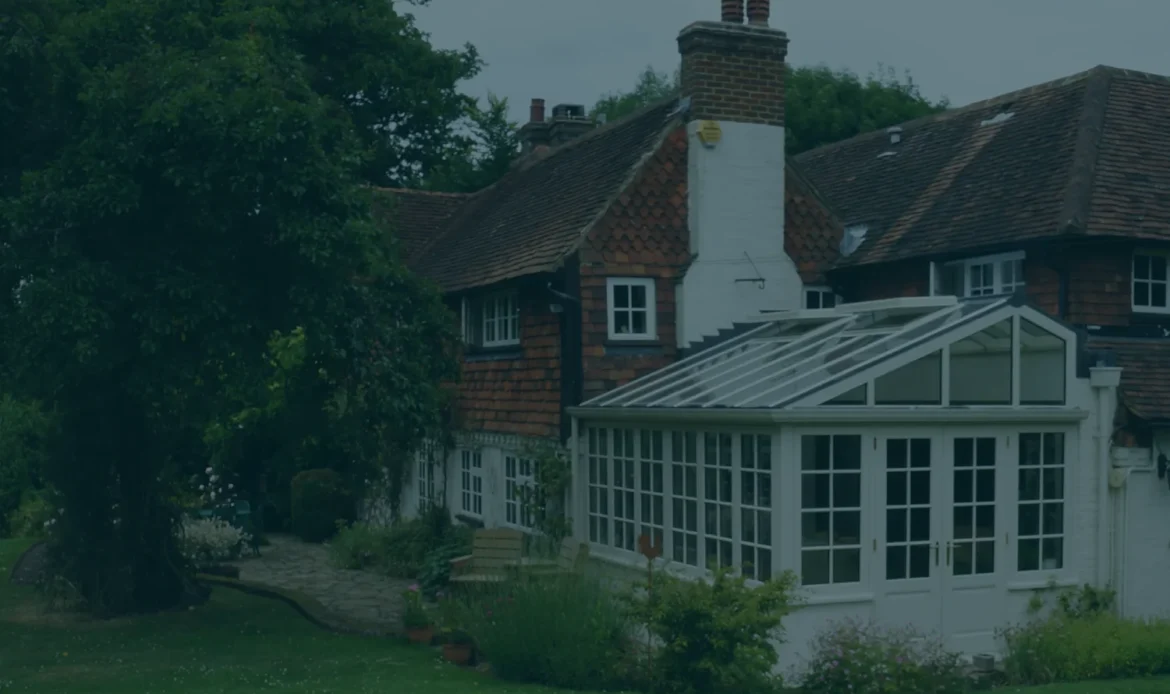
Think back 10 or 15 years. When a person needed more space at home, the standard solution was simple: add an orangery extension. Seal up, put windows in, possibly break a hole in a wall, and that is it. In the recent past, the situation has been different. Whenever you open a home magazine or even a renovation show, you will come across something that keeps recurring, and that is orangeries. They are omnipresent, and it is not coincidental.
They are not being chosen because people like the way they look. The reason is that they are different. An orangery does not look like an appended extension. It becomes part of the home and once you possess one, you can hardly imagine that it is not there.
To be fair, not all Orangery Extension is what they seem. You enter it and you think, “Ok, there are more space, this is nice, however, it does not contribute to the house atmosphere.
That is no longer the case with an orangery.
The combination of solid walls and large windows, the ray of light through the glazed roof lantern, makes the room have a personality of its own. It is open and bright and warm in a manner that it is difficult to describe unless one has been there himself.
And here is the main distinction: you can have it all year long. April and September are beautiful in conservatoires, but you all know the joke, it is too hot in summer, and it gets freezing by December. With an orangery, it is not the case, and that is why it will become a room where you will live, not an empty room half a year long.
People sometimes mix up conservatories and orangeries, but once you understand the structure, the difference is clear.
Half or more of the perimeter is brick or stone. Then come the tall windows. Above, there’s a flat roof with a glass lantern in the centre. The walls make it feel solid and architectural — not like a glass bubble — and the lantern does magic for the light.
Even a small orangery somehow feels bigger than it really is. The height tricks the eye, as well as the combination of natural materials and daylight creates a calm, uplifting atmosphere.
Because an orangery doesn’t feel like a “spare room”, people turn it into the heart of the house. Some examples:
One of the most common transformations is expanding the kitchen into a kitchen-diner. The natural light, the big table, the open layout… suddenly everyone gathers there. Kids do homework at the table. Friends sit with a glass of wine while food’s cooking. Sunday breakfast feels a bit more like a treat.
Another trend is using the orangery as a second living space — separate from the main lounge. It works beautifully for winding down, reading, or chatting without screens blaring.
More people are working from home now, and sitting in a small bedroom with a laptop gets old fast. An orangery workspace feels completely different — natural light, garden views, and space to breathe make a huge difference to focus and mood.
A quick note on materials, because this part matters more than people expect.
Yes — you’ll find uPVC and aluminium versions on the market, and they work for some projects. But Hardwood timber has become the premium choice for a reason. Wood holds its character over time. It doesn’t go out of style. It suits modern designs and older homes equally well. And rather than ageing badly, it ages gracefully.
Companies like Farrow & Jones, who’ve been building hardwood timber orangeries for more than three decades, have seen it first-hand. Timber stands up to British weather, feels warm, and insulates well — keeping the room comfortable from January to July and every month in between.
The name you choose matters more than most people realise. Two orangeries might look similar in photos, but the craftsmanship and detailing can be miles apart in real life. The best results come from companies that treat the orangery as part of your existing home — not a box stuck onto it.
Farrow & Jones work across the UK and offer two ways of doing things: a complete build from start to finish or collaboration with your own builder. Some people prefer full project management. Others want involvement. Either approach works — the goal is simply to get it right.
The financial value is one thing. Orangeries absolutely increase property value when designed and built well. But the emotional value might matter even more. A well-used room changes how a home feels.
That’s why Farrow & Jones offer a price-match guarantee on like-for-like quotations — so homeowners can get handcrafted quality without feeling uncertain about cost.