Built for living , loved for a lifetime.
About Us

Lorem Ipsum is simply dummy text of the printing and typesetting industry.
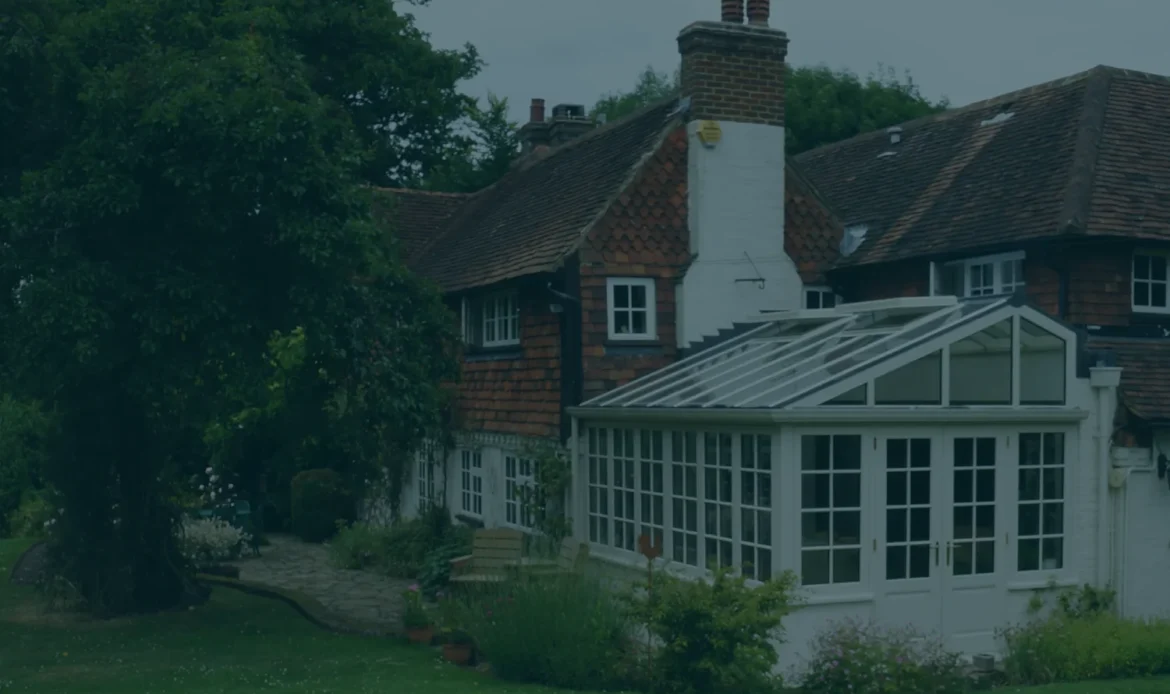
A glazing scheme can be technically correct and still feel visually wrong. That usually comes down to profile. In the art of the profile – how bespoke bonded bars create authentic glazing aesthetics – the difference is not simply decorative. It shapes how an orangery, conservatory or glazed extension sits against the architecture of the house, how the light is divided, and whether the finished room feels convincingly rooted in its setting.
For period homes especially, the eye is remarkably sensitive to proportion. A bar that is too bulky, too flat, or poorly aligned can disturb the whole composition. Equally, in a contemporary home with classical references, glazing bars need restraint and precision rather than pastiche. This is where bespoke bonded bars matter. They allow glazing to carry the rhythm, depth and refinement associated with traditional fenestration, while still meeting the expectations of modern performance.
When clients begin considering a glazed extension, they often focus on footprint, roof design and doors opening onto the garden. Those decisions are important, but profile is what gives the elevation its character. It governs the width of sightlines, the shadow lines cast across the glass, and the sense of craftsmanship in every pane.
Authentic glazing aesthetics are built on balance. If the bars are too slight, the elevation can look under-scaled and visually temporary. If they are too heavy, the result can feel clumsy, interrupting light and losing elegance. The right profile creates order without fuss. It allows the glazing to feel architectural rather than merely functional.
That balance becomes even more significant in painted timber structures, where every moulding, junction and glazing line contributes to the overall language of the design. A beautifully painted frame in a carefully chosen colour deserves bars that are equally considered, not generic additions that flatten the composition.
Bonded bars are designed to replicate the appearance of traditionally divided glazing while working with contemporary sealed units. Rather than relying on crude surface application, a well-designed bonded bar system creates convincing depth and alignment across the glass. From inside and out, the pane reads as a refined composition rather than a broad sheet retrospectively broken up.
The bespoke element is what elevates the result. There is no universally correct bar width or arrangement. A Georgian house, a Victorian villa and a classically detailed new-build all ask for something different. The proportions of the host property, the scale of the extension and the dimensions of each glazed opening should inform the profile. Done properly, the bars echo the discipline of the original architecture and support the building as a whole.
This is not about copying historic details without thought. It is about understanding why traditional glazing looked the way it did – how narrow glazing patterns established rhythm, how moulded profiles created shadow, and how repeated sightlines brought calm to an elevation. Bespoke bonded bars translate those qualities into a modern system with much greater technical capability.
Many glazing schemes claim a heritage feel, but true authenticity comes from detail that holds up at close range. The profile of the bonded bar should feel intentional from the driveway, from the garden and from the favourite chair inside the room. It should align correctly with frames and transoms, sit comfortably within the wider joinery design and avoid the thin, superficial look that can make glazing feel applied rather than integrated.
This is where bespoke joinery and glazing design need to work together from the outset. If the bars are treated as an afterthought, they rarely look convincing. If they are considered as part of the architecture, they become one of the most powerful tools for giving a glazed structure its sense of permanence.
Homeowners investing in a substantial extension are rarely looking for maximum glass at any cost. They want light, certainly, but they also want beauty, proportion and a room that feels entirely at home with the existing property. Bespoke bonded bars allow for that nuance.
In an orangery or conservatory built in painted Sapele hardwood, they help preserve the elegance of traditional glazing patterns without compromising the comfort expected from a contemporary living space. That means generous natural light, well-resolved thermal performance and a far more convincing architectural finish than broad, visually undifferentiated panes can often provide.
There are trade-offs, of course. More bars mean more visual division, and some clients will prefer cleaner expanses of glass in certain parts of a scheme. That is why a tailored approach matters. A principal garden elevation may benefit from a more open arrangement, while side returns, lanterns or door sets may call for stronger articulation. The right answer depends on the house, the room and how the space will be used day to day.
One of the quieter luxuries in high-quality glazed joinery is the way profiles respond to light across the day. A carefully formed bonded bar does more than divide a pane. It catches shadow, adds depth and gives painted surfaces a subtle architectural crispness.
This effect is particularly striking in painted timber finishes, where colour and profile work together. Soft, chalky tones can make glazing feel calm and classical. Deeper hues can sharpen the silhouette of the bars and lend greater drama to garden-facing elevations. Either way, the success of the finish relies on precision in the underlying profile. Without that, even the finest paint specification cannot create the same sense of coherence.
The best glazed additions do not compete with the original building. They belong to it. That often means studying the existing window proportions, cornice lines and architectural hierarchy before deciding on a glazing bar arrangement.
A bespoke approach allows those cues to inform the profile. Perhaps the original house has strong vertical emphasis, suggesting taller pane divisions. Perhaps it has a restrained Georgian order that benefits from regular, disciplined spacing. In other cases, a more contemporary interpretation may be appropriate, using bonded bars more sparingly to reference heritage without becoming overly literal.
For architects and design-conscious homeowners, this is where the real value lies. Bespoke bonded bars are not a styling extra. They are part of the architectural language that helps a new space feel inevitable, as though it should always have been there.
The elegance of glazing bars depends on workmanship that is often invisible once complete. Accurate setting-out, disciplined manufacturing and close coordination between design, joinery and installation all affect the final appearance. Slight inconsistencies in spacing or alignment can undermine the effect immediately.
That is why premium projects benefit from a fully managed approach. When the same team is considering concept design, technical detailing, structural requirements and final installation, the profile can be protected from first sketch to finished room. It avoids the common problem of aesthetic intentions being diluted by late-stage compromises.
At Farrow & Jones, this level of coordination is central to how painted timber structures are delivered. It allows details such as bespoke bonded bars to be resolved properly, not value-engineered into something visually thinner or less convincing once the build is under way.
The most successful glazing aesthetics rarely announce themselves loudly. They simply look right. The proportions feel settled, the light is beautifully handled and the extension carries the same confidence as the rest of the home.
That is the real achievement of bespoke bonded bars. They do not rely on ornament or trend. They rely on judgement – on understanding scale, heritage, performance and finish well enough to shape glass into something architectural.
For homeowners creating a new kitchen orangery, a garden room for year-round living, or a conservatory with greater permanence and grace, profile deserves far more attention than it often receives. Get it right, and the room gains a depth of character that cannot be added later. It becomes not just lighter, but more considered, more rooted and far more rewarding to live with over time.
If a glazed structure is meant to feel as though it belongs to your home for decades rather than seasons, the answer is often found in the smallest lines on the drawing.