Built for living , loved for a lifetime.
About Us

Lorem Ipsum is simply dummy text of the printing and typesetting industry.
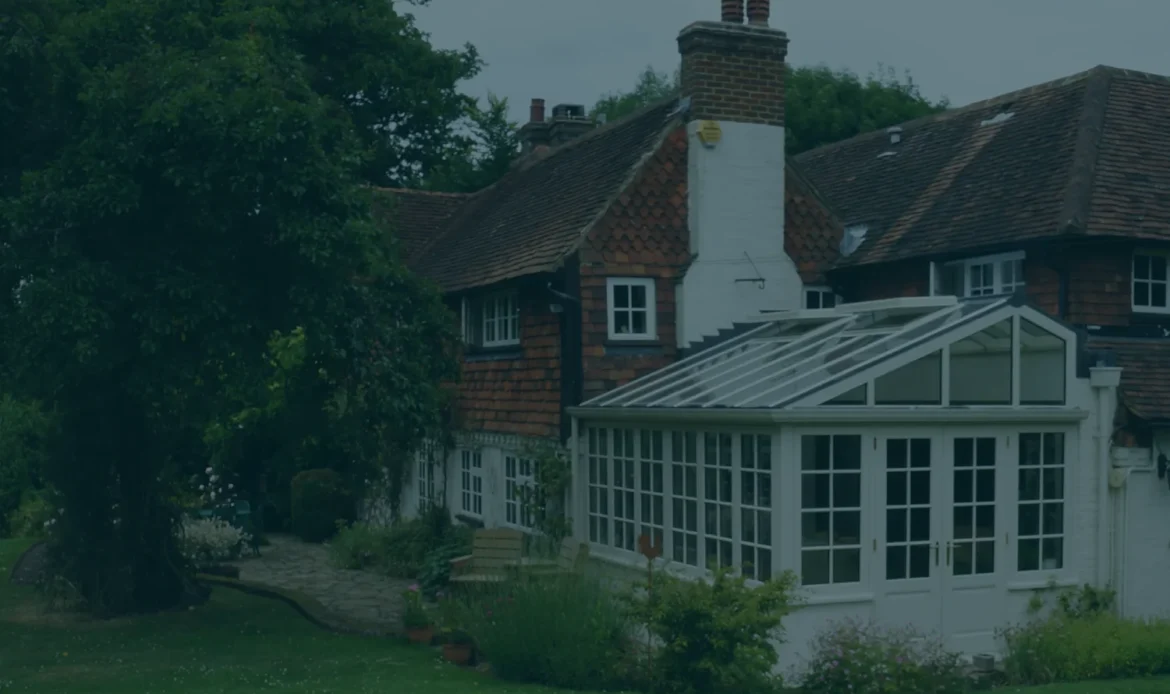
A well-planned kitchen extension changes more than square footage. It alters the way a home feels at breakfast, during family suppers, when friends gather around an island, and in those quiet moments when the garden becomes part of the room. That is why luxury kitchen extension design is never simply about building outwards. It is about creating a space that looks composed, lives beautifully, and still feels right a decade from now.
For many homeowners, the starting point is frustration. The original kitchen may be dark, cut off from the rest of the house, or too modest for modern family life. Yet the answer is not always the largest possible footprint or the most dramatic expanse of glazing. True luxury lies in balance – between architecture and interior design, heritage and modernity, openness and intimacy.
The difference between a standard extension and a genuinely refined one often comes down to proportion, materiality and flow. A luxury kitchen extension design should feel as though it belongs to the house, even if it introduces a more contemporary language. That takes discipline. The roofline, sightlines, joinery details and relationship to the garden all need to be considered together, not as separate decisions made at different stages.
There is also a quieter kind of sophistication at work. Beautiful natural light matters, but so does how that light moves through the room over the course of the day. Generous glazing can be transformative, yet too much can leave a space feeling exposed or overly hot in summer. Likewise, open-plan living is highly desirable, but complete openness is not always the most elegant answer. Many of the best kitchen extensions create subtle zoning, allowing cooking, dining and lounging to coexist without competing.
In period homes especially, success often depends on how sensitively the new extension speaks to the original architecture. Hardwood timber structures, painted joinery, roof lanterns and carefully judged detailing can soften the transition between old and new. In a contemporary property, the same principle applies, only the expression may be cleaner and more pared back.
Before discussing doors, finishes or cabinetry, it is worth asking a more revealing question: how should the room support daily life? Families who entertain regularly will use the space differently from those who want a calm, ordered kitchen with room for children to do homework nearby. A passionate cook may prioritise workflow and storage, while another client may care more about a sculptural island and a dining area framed by garden views.
This is where many projects either rise or falter. If the brief focuses too heavily on appearance, the finished room can look impressive but feel awkward in use. If it focuses only on function, it may miss the sense of occasion that makes a luxury extension special. The strongest schemes resolve both.
A good designer will look beyond the kitchen itself. How do you enter the room? Where do coats, bags and utility tasks go? Is there enough space to move comfortably when several people are using the room at once? Can the room feel sociable in the evening, not just bright during the day? These are the questions that shape a home people genuinely enjoy living in.
Light is usually one of the main reasons homeowners choose to extend, and rightly so. A kitchen that opens onto the garden and draws daylight deep into the plan can completely change the atmosphere of the house. But luxury is not simply a matter of adding more glass. It is about placing light carefully.
Roof lanterns can bring drama and height, particularly over an island or central dining space, while slim-framed doors create a strong connection to the terrace. Yet every opening should earn its place. Too many competing glazed elements can make the architecture feel restless. A more restrained composition often has greater impact.
Volume is equally important. Higher ceilings can add presence, but only if the proportions remain comfortable. A vast room with no intimacy can feel more like a showroom than a home. Often, the most successful kitchen extensions combine moments of openness with areas of enclosure – perhaps a lower, cosier seating corner, or joinery that anchors one side of the room and gives the eye somewhere to rest.
In a premium extension, materials should offer more than surface appeal. They should patinate well, feel reassuringly solid, and suit the architecture of the house. Natural stone, hardwood timber, hand-finished cabinetry and carefully selected metals tend to bring a depth that manufactured finishes struggle to match.
This does not mean every element must be traditional. Contemporary kitchens can sit beautifully within heritage settings when materials are chosen with intelligence and restraint. The key is coherence. If the extension architecture is warm and finely crafted, the interior should respond in kind. If the cabinetry is richly detailed, the flooring and worktops may need a quieter presence.
There are practical trade-offs, of course. Honed stone has a softer, more lived-in character than highly polished surfaces, but it may show marks more readily. Painted timber cabinetry offers elegance and repairability, though it requires care over time. Luxury is not the absence of maintenance. More often, it is the decision to invest in materials worth maintaining.
A beautiful extension can still be undone by a kitchen that is wrongly scaled or poorly positioned. The island, in particular, is often treated as the hero of the room, but size for its own sake rarely leads to a better result. An oversized island can interrupt circulation and make the room harder to use. A more carefully proportioned one can improve flow, create seating, and give the space a natural focal point.
Storage should be considered architecturally, not added as an afterthought. Full-height pantry cabinetry, integrated breakfast cupboards, concealed utility zones and bespoke shelving all help maintain visual calm. In larger spaces, this becomes even more important. Without enough concealed storage, open-plan rooms quickly feel cluttered.
Appliance choice also influences the atmosphere. Some clients want a professional, chef-led kitchen expression. Others prefer a softer, furniture-like approach where appliances recede into the joinery. Neither is inherently better. It depends on how formal or relaxed you want the room to feel.
Trends move quickly, particularly in kitchens. Colours, handle styles and statement finishes can feel current for a few seasons and then date abruptly. Luxury kitchen extension design should resist that churn. It should be rooted in architectural quality and tailored detail rather than novelty.
That might mean choosing cabinetry profiles that echo the age of the house, specifying glazing bars that relate to existing windows, or using interior joinery to create continuity with adjoining rooms. It may also mean being selective with fashionable ideas. A bold stone or richly coloured cabinet can be wonderful when used with confidence, but a room built entirely around trends rarely ages gracefully.
The most enduring extensions tend to have a certain calmness. They do not need to announce every design decision at once. Their quality reveals itself gradually – in the weight of a door, the alignment of sightlines, the way the evening light falls across timber and stone.
For high-value homes, the design process matters almost as much as the finished result. Kitchen extensions are complex undertakings that involve architecture, planning, structural engineering, glazing, joinery, interior design and installation. When these disciplines are handled separately, compromises often appear at the joins.
A managed approach allows decisions to be made in the round. The kitchen can be designed alongside the structure, not fitted into it later. Roof glazing can be coordinated with cabinetry below. Lighting, heating, ventilation and storage can all be integrated from the outset. That not only improves the design, it tends to reduce the stress that homeowners often associate with building work.
For listed or character properties, this joined-up thinking is especially valuable. Extensions in places such as the Cotswolds, Oxfordshire or Surrey often require a careful response to local planning context and established architectural character. In these settings, refinement is not optional. It is what allows a new space to feel both aspirational and appropriate.
The finest kitchen extensions do not feel like add-ons. They feel inevitable, as though the house had always been waiting for this missing piece. That takes more than elegant drawings or premium finishes. It takes a clear understanding of how architecture, craftsmanship and everyday living should meet.
At Farrow & Jones, that meeting point is where the most rewarding projects begin: spaces filled with light, shaped around real life, and built with the kind of care that still shows years later. If you are planning a kitchen extension, aim for more than extra room. Aim for a space that settles naturally into the rhythm of your home and elevates it quietly, every day.