Built for living , loved for a lifetime.
About Us

Lorem Ipsum is simply dummy text of the printing and typesetting industry.
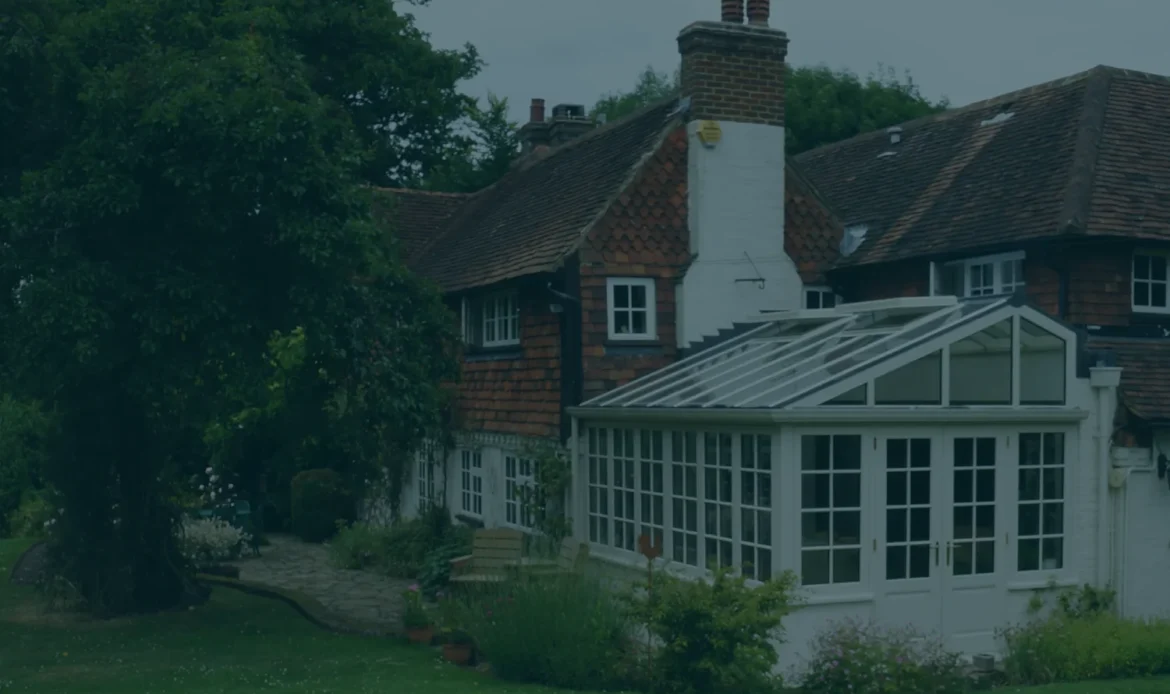
A conservatory in Alderley Edge has to do more than add square footage. It needs to sit comfortably beside handsome brickwork, mature gardens and architecture that already carries a sense of permanence. That is why homeowners searching for premium wooden conservatory companies Alderley Edge are rarely looking for a simple glass room. They are looking for a space that feels as though it belongs to the house, improves daily living and still looks right years from now.
In this part of Cheshire, expectations are rightly high. Many homes have strong architectural character, whether period, arts and crafts or carefully detailed contemporary builds. A timber conservatory that works in this setting is not an off-the-shelf exercise. It depends on proportion, material quality, planning understanding and, just as importantly, a company that can manage the process from first sketch to final handover.
The difference starts with design discipline. Premium companies do not begin by asking which model you want. They begin by asking how you live, where the light moves across the property, how the new room should connect to the kitchen or garden, and what the original house is trying to say architecturally.
That matters because timber conservatories are highly visible additions. If the roof pitch is too shallow, the glazing bars too heavy or the footprint too assertive, the whole scheme can feel bolted on. A well-designed conservatory, by contrast, feels calm and inevitable – as though it was always meant to be there.
The second distinction is craftsmanship. Hardwood timber offers depth, texture and a level of refinement that painted synthetic alternatives simply cannot replicate. It can be detailed with elegant mouldings, slender sightlines and joinery-led proportions that feel appropriate on high-value homes. It also ages with dignity when properly specified, finished and maintained.
The third difference is delivery. Homeowners investing at this level are not just buying materials. They are buying confidence. They want one team to coordinate design intent, planning support, technical drawings, structural input, manufacturing and installation, rather than trying to stitch together separate consultants and trades themselves.
For discerning properties, timber has an architectural softness that works beautifully against both traditional and modern homes. It brings warmth to heavily glazed spaces and prevents the extension from feeling cold or overly commercial. In a garden setting, that natural character is especially important.
There is also the matter of detail. Timber allows for finely considered joinery, from bespoke doors and fascias to shaped glazing bars and internal panelling. Those details often make the difference between a conservatory that merely looks expensive and one that genuinely feels resolved.
Of course, timber is not a material to choose casually. It needs proper specification, quality manufacturing and experienced installation. It also benefits from sensible long-term care. Premium companies will be honest about that. The reward is a space with real substance – one built for living, and built to last.
One of the more common mistakes in this market is assuming that every premium conservatory company offers the same thing with a different brochure. In reality, the strongest firms tend to lean in different directions.
Some are design-led and excel at tailoring an extension to the architecture of the house. Others are manufacturing-led and focus on joinery quality. Some are particularly strong on planning-sensitive sites or conservation contexts. The best choice depends on your property, your priorities and the complexity of the scheme.
If your home is period in character, sensitivity to heritage proportions matters enormously. If you are opening the rear of the house into a larger kitchen-living arrangement, structural understanding and interior flow become just as important as the conservatory itself. And if the project includes roof lanterns, bespoke joinery or a fully integrated kitchen, then a company with wider design-and-build capability may offer a more coherent result.
When you begin speaking to potential companies, the conversation should move beyond finishes surprisingly quickly. A premium provider should be able to explain how the new structure will relate to the existing house, how it will perform through the seasons and what level of project management is included.
Ask to see completed projects that resemble your home in scale or style. Not just polished visuals, but built work. Ask who handles planning and building regulations input, whether structural calculations are coordinated in-house or externally, and how manufacturing drawings are developed. These are not minor details. They are often where quality is protected or lost.
It is also worth asking how they approach glazing specification, ventilation and solar gain. A conservatory should be bright and uplifting, but it still needs to feel comfortable in everyday use. Too much focus on appearance without enough attention to orientation and thermal performance can create a room that photographs well and lives poorly.
Finally, listen to how they speak about installation. A refined timber conservatory can be undermined by indifferent site management. The best companies treat installation as the final expression of the design, not a handover to a separate mindset.
For many homeowners, the appeal of a premium company lies in orchestration. High-quality projects involve a surprising number of moving parts – measured surveys, planning drawings, permissions, engineering, fabrication, glazing, groundworks, interior interfaces and finishing details. When those responsibilities are fragmented, the burden often shifts back to the client.
A fully managed approach is not simply more convenient. It usually leads to a better result. Design decisions remain consistent, technical challenges are resolved earlier and the finished space feels more composed. That matters especially in homes where the conservatory is not a standalone addition, but part of a larger transformation in how the property functions.
This is where firms such as Farrow & Jones stand out. The value is not only in bespoke hardwood craftsmanship, but in combining architectural thinking, technical control and installation expertise within one considered process.
The most successful conservatories do not feel like occasional rooms. They become part of the rhythm of the house – a breakfast space with garden views, an elegant dining area for entertaining, or a light-filled family room that softens the boundary between indoors and out.
That lifestyle value is often what prompts the investment in the first place, but there is also a property consideration. On high-calibre homes, sympathetic additions can strengthen appeal when they are executed with architectural integrity. Buyers respond to spaces that feel original to the house, not visibly appended.
That said, value is not automatic. A poorly judged conservatory can interrupt the balance of a home just as easily as a good one can enhance it. This is another reason company selection matters so much at the premium end of the market.
You should come away from early discussions feeling that the company has understood both your house and your ambitions for it. They should talk as confidently about proportion, sightlines and internal living as they do about timber sections and lead times. Good signs include thoughtful questions, realistic guidance and a clear explanation of what happens next.
You should also sense restraint. Premium design is not about adding flourishes for the sake of it. It is about making measured decisions that produce elegance, comfort and longevity. A company worth appointing will know when simplicity is the stronger choice.
Most of all, the right partner will help you see the conservatory not as a product, but as part of a broader home story. That shift in perspective tends to lead to better decisions – and far better rooms.
A timber conservatory can transform the way a house feels, but only when it is conceived with care and built with conviction. In a place like Alderley Edge, where design standards are high and homes deserve respect, it is worth taking the time to choose a company that can match that ambition with genuine craftsmanship and a quietly assured process.