Built for living , loved for a lifetime.
About Us

Lorem Ipsum is simply dummy text of the printing and typesetting industry.
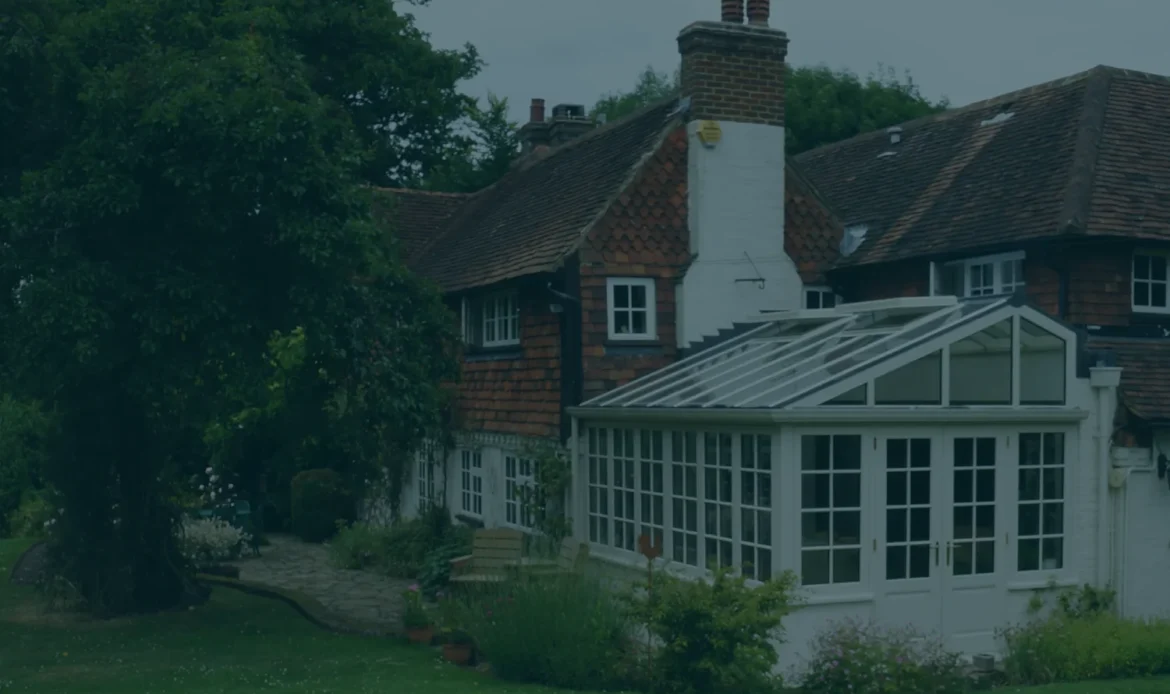
A well-made kitchen has a way of settling into a house as though it has always belonged there. That is why handmade tulipwood kitchens Cheshire homeowners choose tend to feel so convincing – not simply because they are bespoke, but because they are shaped around the architecture, the rhythm of family life and the small daily rituals that matter.
Tulipwood occupies a particularly interesting place in luxury kitchen design. It is prized not for showiness, but for its quiet discipline. Stable, finely grained and exceptionally suited to painted cabinetry, it gives designers and cabinet makers the freedom to create kitchens with crisp detail, elegant proportions and a finish that matures gracefully over time. For homes in Cheshire, where period character and carefully judged contemporary extensions often sit side by side, that balance is especially appealing.
Not every timber behaves kindly when turned into cabinetry. Some move too much, some resist fine detailing, and some simply do not deliver the painted finish many clients want. Tulipwood does. Its smooth, even grain allows for a beautifully refined paint application, which means colours read clearly and mouldings remain sharp rather than muddied.
That matters if you are investing in a kitchen designed to look architecturally considered rather than overtly decorative. The appeal of tulipwood lies in its restraint. It supports classic in-frame cabinetry, pared-back shaker doors and more contemporary joinery details with equal confidence. In practical terms, it also offers the consistency needed for a fully bespoke scheme, where everything from a mantel shelf to a pantry interior needs to feel cohesive.
For many Cheshire properties, this versatility is key. A Georgian home may call for symmetry, panelling and gentle heritage tones. A newer kitchen extension with roof glazing and garden views may suit cleaner lines and a lighter palette. Tulipwood can accommodate both without looking forced.
The phrase handmade is often used rather loosely, yet in a premium kitchen it should mean something precise. It is not simply that cabinets are assembled in a workshop rather than ordered from a standard range. It means the kitchen is designed from the room outward, with dimensions, storage, finishes and sightlines all considered as part of one composition.
In a truly handmade kitchen, awkward corners become useful rather than compromised. Ceiling heights are respected. Cornices align properly. Islands are proportioned to the room rather than dropped in because they are fashionable. Integrated appliances sit comfortably within the cabinetry. Even the way drawers open beside a dining table or walkway has been thought through.
This is where the difference becomes visible in everyday use. A bespoke tulipwood kitchen is not only measured to fit. It is resolved to fit, which is another matter entirely.
In Cheshire homes, that level of tailoring often matters because the architecture can be so varied. Barn conversions, Victorian villas, listed properties and contemporary one-off homes all demand different responses. A standard kitchen tends to reveal its compromises quickly in such settings. A handmade one does not announce itself with effort. It simply looks right.
Because tulipwood takes paint so beautifully, colour becomes a central part of the design conversation. Soft stone, chalk, warm putty and deeper greens or blues all work well, but the right choice depends on the house and the quality of light. A north-facing room may need warmth and softness. A garden room extension flooded with sun can carry richer, moodier tones without feeling heavy.
Cabinet style matters just as much. In-frame joinery offers a sense of permanence and craftsmanship that sits naturally in country houses and period homes. A simpler shaker can bridge traditional and contemporary architecture with ease. More minimal detailing can also work exceptionally well when paired with natural stone, aged brass and carefully selected lighting.
There are trade-offs, of course. Highly intricate detailing can look beautiful, but in an open-plan kitchen-living space it may compete with surrounding architecture. Equally, a very minimal kitchen can feel flat if the room itself has strong historic character. The best schemes are rarely about following a single style. They are about reading the house accurately.
Luxury in a kitchen is often mistaken for spectacle. In reality, it usually comes down to how calmly the space functions. A handmade tulipwood kitchen should allow storage to disappear into the background so that the room feels composed, even when life is busy.
That might mean a larder with adjustable shelving and internal drawers, deep pan drawers near the cooking zone, concealed recycling, or dresser-style cabinetry that softens the transition between kitchen and living space. The cabinetry should not merely hold things. It should support how the household lives.
This is particularly important in open-plan settings, where the kitchen is no longer a separate working room but part of a wider living environment. When every elevation is visible from a sofa or dining table, visual calm becomes part of the brief.
A premium kitchen should earn its place over years, not just in the first few months after installation. That is where craftsmanship becomes more than an aesthetic preference. Cabinet construction, drawer mechanisms, paint preparation, timber seasoning and fitting standards all affect how well the kitchen performs in daily use.
Tulipwood is a sensible material choice here because it offers the stability required for painted joinery, but material alone is not enough. The quality lies in how it is handled. Well-made doors should feel substantial without being cumbersome. Joints should remain clean. Panels should sit properly. Paint finishes should have depth, not a plastic uniformity.
There is also a wider design value in bespoke joinery. A kitchen does not exist in isolation. It often needs to speak to adjacent utility rooms, boot rooms, pantry spaces and even orangery or garden room extensions. When these elements are designed together, the result feels composed across the whole ground floor rather than fragmented into separate projects.
Many homeowners begin with cabinetry in mind and only later realise the kitchen is bound up with far bigger decisions – structure, glazing, flooring, heating, lighting and circulation. In more ambitious home transformations, the success of the kitchen depends heavily on how these elements are coordinated from the start.
That is why a fully managed approach is so valuable. The cabinetry may be the focal point, but the experience of getting there should also feel considered. Design intent needs to carry through planning, technical drawings, manufacture and installation if the final room is to feel coherent. Farrow & Jones understands this well, particularly in projects where the kitchen forms part of a larger architectural reworking of the home.
For the client, this does not just reduce complexity. It protects quality. Good kitchens are not assembled from disconnected decisions.
Not automatically. The best material and design route depends on the property, the desired finish and how the room will be used. Tulipwood is an excellent choice for painted bespoke cabinetry, especially where elegance, detail and longevity are priorities. If a client is seeking a heavily textured timber look with visible grain as the main feature, another species may be more appropriate.
Likewise, a handmade kitchen is most compelling when the room itself deserves a tailored response. In homes with unusual architecture, listed features, generous entertaining spaces or new extensions intended to transform family life, bespoke cabinetry makes strong sense. It allows the kitchen to feel integrated with the building rather than simply installed within it.
For Cheshire homeowners investing in long-term improvement, that distinction matters. A kitchen is one of the most used spaces in the house, but also one of the most visible indicators of quality. When designed with care, a handmade tulipwood scheme brings together craftsmanship, comfort and architectural poise in a way few off-the-shelf solutions can match.
The enduring appeal lies in that quiet confidence. A well-proportioned island, beautifully painted cabinetry, a larder that works exactly as it should, and a room that feels generous without trying too hard – these are the details people live with and appreciate for years. If the kitchen is the heart of the home, it deserves materials and making equal to that role.