Built for living , loved for a lifetime.
About Us

Lorem Ipsum is simply dummy text of the printing and typesetting industry.
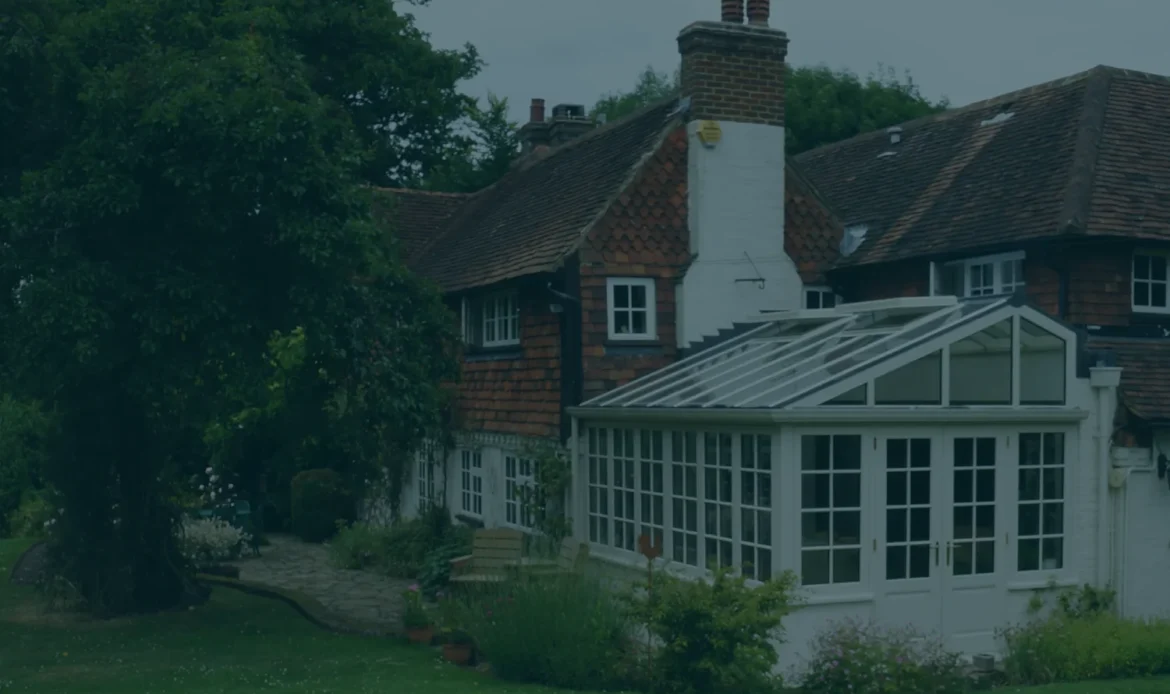
A well-considered bespoke freestanding home bar joinery design does more than store bottles and glassware. It creates a distinct moment within the home: somewhere to make a drink before dinner, welcome friends on a Friday evening, or bring a sense of occasion to an open-plan kitchen-living room. Unlike a fitted run of cabinetry, a freestanding bar has presence. It can read as furniture, architecture and hospitality in one carefully proportioned piece.
For homeowners investing in a considered interior, that distinction matters. A bar should feel native to the room rather than an afterthought pushed against a wall. Its proportions, painted finish, hardware and internal arrangement all need to answer a simple question: how will this home be lived in?
A freestanding home bar is particularly effective where a room needs definition without being divided. In a large kitchen-dining space, it can create a gracious transition between cooking and entertaining. In a drawing room, library or garden-facing room, it can introduce purpose to an underused wall while retaining the flexibility of a furniture-led layout.
Its visual independence is part of the appeal. Rather than extending an existing bank of cabinetry, the bar can adopt its own silhouette: tall and architectural, low and composed, or softly traditional with panelled doors and a corniced top. It may complement a painted timber kitchen without repeating it exactly. The most successful designs establish a family resemblance through colour, detailing and material quality, while allowing the bar to have its own character.
There is a practical advantage, too. A freestanding piece can be designed around the room’s existing architecture, whether that means respecting a chimney breast, framing a window, or working within the measured rhythm of panelling and coving. It is not a compromise between off-the-shelf dimensions. It is a response to the particular room.
The right design begins with how the bar will be used. A household that enjoys aperitifs and wine with supper needs something rather different from one that regularly hosts larger gatherings, collects spirits, or wants a discreet tea and coffee station by day.
Consider the journey of serving a drink. Is there sufficient preparation surface for a tray, ice bucket and glasses? Will frequently used bottles be immediately accessible? Does the bar need a small fridge, a sink, filtered water or an ice maker? These choices affect more than storage. They influence ventilation, plumbing, electrical provision and the internal construction of the cabinetry.
For many homes, a bar is at its best when it supports hospitality without becoming overtly commercial. Closed doors can keep everyday life composed, while the interior delivers a more theatrical reveal. Doors might open to painted shelving, integrated lighting, mirror-backed panels and carefully spaced racks for stemware. Alternatively, a composed open display may suit an owner with beautiful decanters, ceramics or a collection that deserves to be seen.
The answer depends on the atmosphere you want after the guests have gone. Open shelving feels expressive but calls for a degree of order. Fully enclosed cabinetry offers calm and protects glassware from dust, yet may make the piece feel more formal. A combination of the two often gives the most enduring result.
A bespoke freestanding bar should be sized for the room, not merely for its contents. A tall cabinet can make a strong vertical statement in a high-ceilinged period property, especially when aligned with existing joinery lines. In a more contemporary open-plan room, a lower, wider bar may create a quieter horizon and offer a useful serving surface.
Depth is often overlooked. Too shallow, and bottles, glassware and service items compete for space. Too deep, and the cabinet becomes visually heavy or awkward to use. The ideal dimension is informed by what must sit inside, how doors open, the circulation around it and the amount of visual weight the room can carry.
This is where made-to-measure design earns its place. The base can be set back to lend the cabinet a lighter, furniture-like stance. A plinth can be detailed to echo nearby skirting, or the piece can sit on refined legs where a more decorative language is appropriate. A shaped cornice, framed end panels and carefully selected handles allow the bar to sit convincingly within an established interior.
There is little value in a handsome façade if the interior feels improvised. Every shelf and drawer should support a clear purpose. Spirit bottles benefit from adjustable shelving, while wine can be held horizontally in integrated racks or stored in a temperature-controlled appliance, depending on the collection and room conditions.
Shallow drawers are useful for corkscrews, napkins, coasters and cocktail tools. Deeper drawers can hold mixers, spare glassware or serving boards. A lined drawer for bar tools prevents the small but familiar clutter that can otherwise gather around entertaining. For homeowners who enjoy cocktails, a dedicated preparation zone with an easy-clean worktop and a discreet bin compartment can make all the difference during a busy evening.
Lighting deserves equal attention. Warm, dimmable internal lighting can make glass and bottle labels legible without turning the cabinet into a display case. It should illuminate shelves evenly, avoid visible points of glare and be positioned so that it enhances the joinery’s depth. When the doors close, the exterior should remain calm and resolved.
Painted timber gives a freestanding bar a depth and permanence that is difficult to achieve through surface treatment alone. For internal cabinetry, premium Tulipwood provides an excellent foundation for crisp profiles, refined mouldings and a durable painted finish.
Colour can make the cabinet quietly recessive or deliberately significant. A soft chalky neutral may allow it to sit elegantly alongside existing architecture. Deep green, inky blue, oxblood or charcoal can give the bar a more intimate, evening character. The choice should be tested in the actual room, at different times of day, alongside flooring, wall colour, metalwork and surrounding upholstery.
A factory-applied, multi-coat Teknos finish provides the consistency and resilience a frequently used piece requires. This is especially valuable around handles, door edges and serving surfaces, where daily use is felt first. The aim is not simply a beautiful first impression, but a finish that remains composed through years of gatherings, family life and changing routines.
Hardware provides the final note. Aged brass can bring warmth to classic painted joinery; polished nickel may suit a more formal setting; dark bronze can sharpen a contemporary scheme. What matters is continuity. Handles, hinges, taps and lighting should feel considered together, not selected in isolation.
A bar with refrigeration, a sink or integrated appliances needs early technical coordination. Power locations, drainage routes, ventilation and access for future maintenance should be resolved before manufacture begins. Retrofitting services after the cabinetry is installed can limit the design and add avoidable disruption.
A fully managed approach is valuable here because the visual and technical decisions are made together. Detailed drawings can establish appliance clearances, door swings, internal dimensions and service voids before the piece reaches site. This protects the design intent and makes installation more controlled, particularly in homes where new joinery must sit precisely alongside existing finishes.
It is also worth considering the bar’s relationship with sound and heat. A noisy refrigeration unit can undermine a peaceful sitting room, while direct sunlight may affect a wine collection or make a dark painted finish appear different through the day. Sometimes the most luxurious decision is to locate wine storage elsewhere and allow the freestanding bar to focus on serving, glassware and display.
Trends may influence colour or styling, but the underlying design should have a longer horizon. A bar earns its place when it remains useful as children grow, entertaining habits change and the home evolves. Adjustable interiors, generous working space and a timeless architectural profile all help it adapt.
At Farrow & Jones, the most compelling pieces are developed as part of a complete room story. They respect the existing architecture, respond to the client’s way of hosting and are made with the same care expected of enduring painted timber joinery. The result is not simply storage for drinks, but a destination within the home.
If you are considering a freestanding bar, begin by noticing the moments you already enjoy at home: where guests naturally gather, what you reach for when serving, and which room has the potential to feel more generous. Those small observations are often the clearest route to a design that feels personal from the first pour.