Built for living , loved for a lifetime.
About Us

Lorem Ipsum is simply dummy text of the printing and typesetting industry.
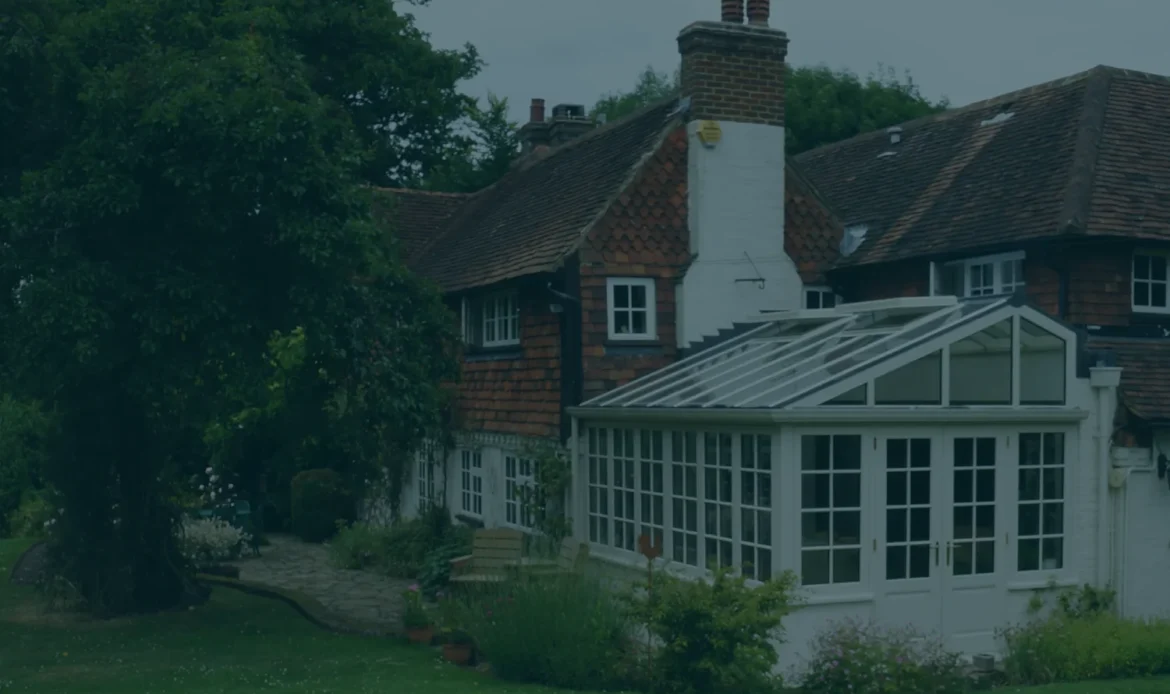
A kitchen should earn its place at the heart of a Buckinghamshire home. It must carry the practical rhythm of school mornings and relaxed suppers, while offering the poise to host family and friends. That is why bespoke hand painted kitchens Buckinghamshire homeowners commission are designed around far more than cabinetry: they bring proportion, light, storage and everyday living into considered balance.
For period houses in Beaconsfield, country properties around the Chilterns and carefully extended homes across the county, a hand painted kitchen offers a rare combination of character and control. Its appearance can be quietly classic or confidently contemporary, but its enduring appeal lies in the fact that every detail has been designed for the room, rather than adapted to fit it.
Buckinghamshire architecture is remarkably varied. A Georgian house may call for elegant symmetry and finely detailed cabinetry, while a converted barn needs a kitchen that respects generous volume without feeling cavernous. In a contemporary extension, the priority may be a disciplined run of cabinetry that frames garden views and gives an open-plan room a calmer architectural presence.
A bespoke approach begins with these realities. Ceiling heights, window positions, structural openings and the way a family moves through the space all inform the design. Rather than filling a room with standard-sized units, cabinetry can be composed to make use of awkward corners, deep reveals and long sightlines. The result feels established because it belongs to the building.
The painted finish is equally influential. It softens the visual weight of cabinetry while allowing the joinery detail to do the work. A warm off-white can bring light to a north-facing room; a muted sage or mineral blue can connect a kitchen with the landscape beyond; a deep, inky tone can anchor a large island in a generous family room. Painted timber in a considered variety of Farrow & Ball colours allows the scheme to feel personal without becoming overly decorative.
Luxury is often recognised in the details that do not demand attention. A well-proportioned door, a shadow gap that is consistent across a run of cabinetry, and a cornice that meets the ceiling with purpose all create a sense of order. Hand painting further enhances this quality, giving the surface a depth and softness that feels at home in both heritage and modern settings.
The choice of cabinetry style should follow the architecture, not fashion alone. A framed shaker door can be refined with narrow rails and restrained mouldings for a Georgian or Edwardian setting. For a newer home, a simpler painted door profile may offer a more architectural expression. Neither approach is inherently better. The right choice depends on the scale of the room, the age of the house and whether the kitchen is intended to recede gracefully or become the principal feature of the space.
Premium Tulipwood provides an exceptional foundation for painted kitchen cabinetry. Its fine, stable character creates a beautifully even canvas for a durable finish, while carefully engineered construction supports the accuracy required for tall pantry cupboards, integrated appliances and broad drawer banks. The material choice is not simply aesthetic. It contributes to how the kitchen performs over years of daily use.
The most successful kitchens are planned around habits, not a catalogue layout. A family that cooks together may need generous preparation space between the hob and sink, with room for more than one person to move comfortably. For keen entertainers, an island may be designed as a sociable centrepiece, balancing seating with concealed storage and a substantial worktop. In homes where the kitchen opens into a dining or living area, the cabinetry must work harder still, providing practical function without allowing the room to feel overtaken by appliances.
Storage deserves the same attention as the visible finish. Tall larders can make daily ingredients easy to reach without cluttering worktops. Deep drawers offer a more useful home for pans and tableware than low cupboards. Purpose-designed internal divisions bring order to cutlery, crockery and cooking equipment. A dedicated drinks cabinet, breakfast cupboard or concealed charging area can also make a considerable difference to the rhythm of family life.
This is where bespoke design repays careful thought. The question is not how many cabinets a room can hold. It is what the room needs to support the way its owners live, and which elements should remain visible once the day is done.
A hand painted kitchen is valued for its visual warmth, but the finish must also be specified with performance in mind. Kitchen cabinetry lives with moisture, heat, hands, spills and frequent cleaning. The preparation of the joinery, the quality of the coating system and the care taken during application all affect how it will look over time.
At Farrow & Jones, premium Tulipwood cabinetry is finished with a factory-applied, multi-coat Teknos coating system, giving each painted surface an even, durable foundation before final installation. Hand-finished detailing brings a crafted character to edges, mouldings and carefully considered joinery features, while the controlled factory process helps protect the consistency of the colour and sheen.
A painted finish also offers a practical advantage for a home designed for the long term. If a colour scheme evolves years from now, painted cabinetry can often be refreshed rather than replaced. This does not mean every mark should be treated as a flaw. In a well-used family kitchen, a gentle patina can be part of its story. The aim is a finish with the depth and resilience to age gracefully, supported by appropriate care.
A kitchen is rarely an isolated project. It may sit within a remodelled ground floor, a new garden-facing room or a reconfigured period property. In these settings, the strongest designs consider the kitchen alongside flooring, glazing, lighting, structural lines and views out to the garden from the outset.
Consider a kitchen with tall cabinetry on an internal wall and an island facing large glazed doors. The tall run can provide the practical backbone of the room, housing appliances and storage, while the island keeps preparation and conversation oriented towards the light. Alternatively, a run of painted cabinetry can be designed to read like furniture within a dining space, with fewer visible appliances and more emphasis on proportion. Both solutions can be successful, but they create distinctly different atmospheres.
Lighting should be planned early, not added as decoration once the cabinetry is fixed. Task lighting needs to support preparation areas; softer layers make the kitchen inviting in the evening. Pendants over an island can provide a focal point, although their scale and placement must work with sightlines and ceiling height. The smallest decisions often determine whether an open-plan room feels composed or merely busy.
The appeal of a bespoke kitchen should not be offset by the burden of coordinating a complex build. Where the work forms part of a larger renovation or extension, there are structural considerations, services, finishes and programme dependencies to resolve before cabinetry is installed. Good project management makes these decisions visible early, when they can be addressed properly.
A fully managed process brings design development, technical drawings, site coordination and installation into a single, accountable journey. It allows appliance specifications, worktop dimensions, lighting positions and service routes to be confirmed before fabrication begins. It also protects the final result: cabinetry is fitted only when the room is ready to receive it, and the details are checked against the approved design.
For homeowners, this creates a more confident experience. There will always be decisions to make in a bespoke project, but they should be guided by expertise and clear information rather than left to chance between separate suppliers.
Trends can be useful references, but a kitchen of this quality should not rely on them. A restrained painted palette, honest materials, thoughtful storage and well-resolved proportions have a longer lifespan than a passing look. That does not require playing safe. It means choosing colour, hardware and detailing with enough confidence that the kitchen remains an expression of the house and its owners.
Before committing to a design, stand in the room and consider the daily moments that matter: where bags are dropped after work, where children gather, how a view is framed while cooking, and where guests naturally lean with a glass in hand. The most memorable bespoke hand painted kitchen is not simply admired on completion. It becomes the beautifully considered setting for the life that follows.