Built for living , loved for a lifetime.
About Us

Lorem Ipsum is simply dummy text of the printing and typesetting industry.
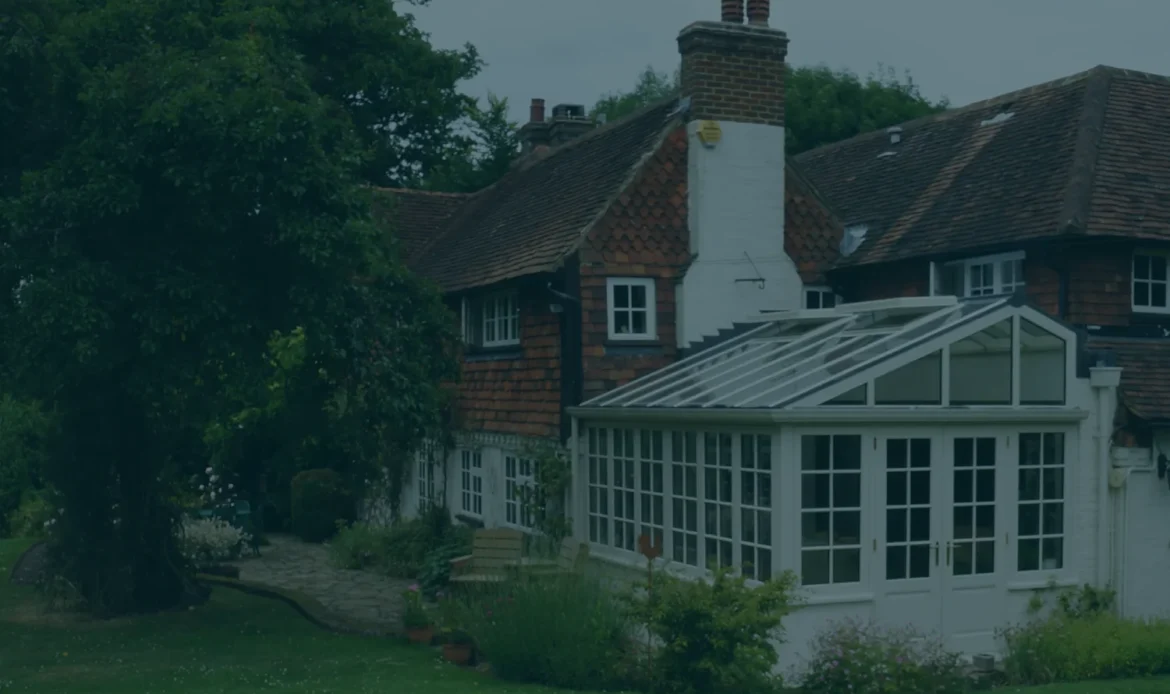
In Windsor, a conservatory has to do more than add square footage. It has to sit comfortably beside period brickwork, mature gardens and carefully considered interiors. That is why homeowners searching for premium wooden conservatory companies Windsor wide are usually not looking for a standard glazed add-on. They are looking for an architectural room – one that feels entirely at home with the house, performs properly through the seasons and is finished to a standard worthy of daily life.
That distinction matters. At the top end of the market, the best conservatories are not bought off the shelf. They are designed around the proportions of the property, the direction of light, the way the family lives and the level of refinement expected inside and out. In places such as Windsor, where character and property value carry real weight, that level of care is not indulgence. It is simply good judgement.
The word premium is used freely, but in this category it should mean something precise. It should mean material quality, design intelligence and proper delivery – not just attractive photography.
A genuinely premium conservatory company starts with architecture, not product sales. That means considering ridge height, sightlines from adjoining rooms, roof pitch, glazing bar proportions and how the new structure relates to the original house. A conservatory should never look like an attachment. It should feel as though it was always part of the home.
Material choice is equally telling. Painted timber remains the reference point for homeowners who want warmth, elegance and long-term character. The best firms will be clear about what they use and why. For external structures, painted Sapele hardwood offers the weather resistance, stability and strength needed for enduring performance. It also takes a factory-applied painted finish beautifully, which is essential when the goal is a crisp, tailored exterior rather than a joinery project that quickly starts to look tired.
Then there is the matter of delivery. A premium company should be able to guide the project from concept through planning, technical drawings, structural calculations, manufacture and installation. That level of orchestration is often what separates a calm, well-managed experience from a drawn-out build with too many moving parts.
Windsor presents particular design sensitivities. Some homes are listed or sit within conservation-minded settings. Others are substantial detached properties where a poorly judged extension can dilute the elegance of the original architecture. Even newer houses often benefit from a conservatory that feels more tailored and substantial than a generic glass room.
This is where experience matters. A company working at a premium level should understand how to respond to local context without producing something pastiche. Heritage-led design does not mean copying historical details blindly. It means reading the house well – understanding cornice lines, fenestration rhythm, brick tone and internal character – then creating a conservatory that speaks the same language.
That may lead to a classically detailed design with slender glazing bars and a lantern-like roof. Equally, it may mean a quieter structure with cleaner lines, designed to connect a contemporary kitchen to the garden. The right answer depends on the house. Better companies do not force every brief towards the same aesthetic.
If you are comparing premium wooden conservatory companies in Windsor, look beyond broad promises. Ask to see completed projects that show the relationship between the conservatory and the existing property, not just cropped interior corners.
Pay attention to proportions first. Elegant joinery is important, but proportion is what gives a conservatory grace. Is the roof line comfortable against the house? Do the doors and windows look balanced? Does the structure feel airy without becoming over-glazed? These are the subtleties that make a room feel calm and expensive.
Next, ask how the company approaches colour and finish. Painted timber should feel integral to the overall home, not like an isolated design decision. Soft architectural neutrals, deeper heritage tones and carefully chosen Farrow and Ball shades can all work beautifully, but only when considered in relation to masonry, flooring, kitchen cabinetry and garden views. The finish itself should be factory-applied, using a multi-coat system designed for longevity rather than a quick decorative treatment.
It is also worth asking how the room will actually be used. A breakfast space, garden-facing sitting room and open-plan kitchen extension all ask different things of a conservatory. The best designers will challenge the brief thoughtfully. They will consider solar gain, ventilation, privacy, furniture placement and the way the room connects to the rest of the house.
A beautiful conservatory that overheats in summer or feels cold in January has missed the point. Premium design has to perform.
That starts with specification. High-quality glazing, well-engineered roof design and precise manufacturing all play a part, but so does the overall concept. South-facing rooms may need more shading strategy and ventilation planning. Older houses may require a particularly sensitive junction between new and existing fabric. Large spans may call for structural expertise that a simple joinery supplier cannot provide on its own.
This is why turnkey delivery is so valuable. When one company coordinates design intent, technical development and installation standards, there is less room for disconnect. Details such as drainage, thresholds, roof abutments and internal finishes are resolved as part of one considered whole.
For many homeowners, that is the real luxury – not extravagance, but confidence. Confidence that the room will look right, feel right and age well.
When conversations begin, it helps to ask questions that reveal how a company thinks.
Ask who develops the design and whether 3D visualisation is part of the process. Ask how planning permission and validation are handled if required. Ask what timber species is used externally, how it is finished and what coating system protects it over time. Ask who produces the technical drawings and structural calculations. Ask who manages the subcontractors and how quality is checked on site.
These questions do more than gather information. They show whether the company operates as a true design-and-build partner or simply passes responsibility from one party to the next.
You should also ask to understand the handover standard. A premium conservatory should not leave you coordinating decorators, flooring contractors and snagging lists for months afterwards. The goal is a room that is genuinely ready to live in – finished with care, integrated with the rest of the house and resolved down to the final details.
Even at the premium end, there are decisions to make. More glazing can create a dramatic connection to the garden, but it may also increase the need for shading and climate control. A highly ornate design can suit a grand period property, yet it may feel overworked on a quieter house. Larger footprints add versatility, though not always intimacy.
Budget also shapes choices, though in a slightly different way than people expect. The key question is not simply what costs less now, but what will continue to look and perform as it should in ten or fifteen years. Painted timber conservatories are a long-term architectural investment. They deserve the same level of scrutiny you would give to a kitchen, extension or major internal renovation.
That is often why clients choose firms with deep joinery knowledge and full project management. The upfront commitment may be higher, but so is the level of control, accountability and finish.
The most successful conservatories are rarely conceived as stand-alone rooms. They are part of a wider story about how the home should live.
Perhaps the aim is to bring light into a deeper plan, create a more sociable kitchen-living arrangement or frame a garden in a way that makes everyday moments feel more generous. In each case, the conservatory succeeds when it improves the rhythm of the house, not merely its footprint.
That is why the best companies think beyond the structure itself. They consider cabinetry, flooring transitions, internal sightlines and the emotional quality of the space once furnished and inhabited. They understand that elegance is not created by one grand gesture, but by dozens of smaller decisions made well.
For homeowners in Windsor, that level of care is especially relevant. Houses of quality deserve additions of equal quality. And when a conservatory is designed with architectural discipline, crafted in painted timber and delivered with proper oversight, it becomes more than a light-filled room at the back of the house. It becomes one of the places you most want to be.
Farrow & Jones works in precisely this way – combining heritage-led design, painted Sapele hardwood joinery and fully managed delivery to create conservatories that feel composed, enduring and ready for real life from the moment the project is complete.
If you are weighing premium options, the clearest test is a simple one. Choose the company that can see your conservatory not as a product to be sold, but as a lasting part of your home’s architecture and your family’s everyday living.