Built for living , loved for a lifetime.
About Us

Lorem Ipsum is simply dummy text of the printing and typesetting industry.
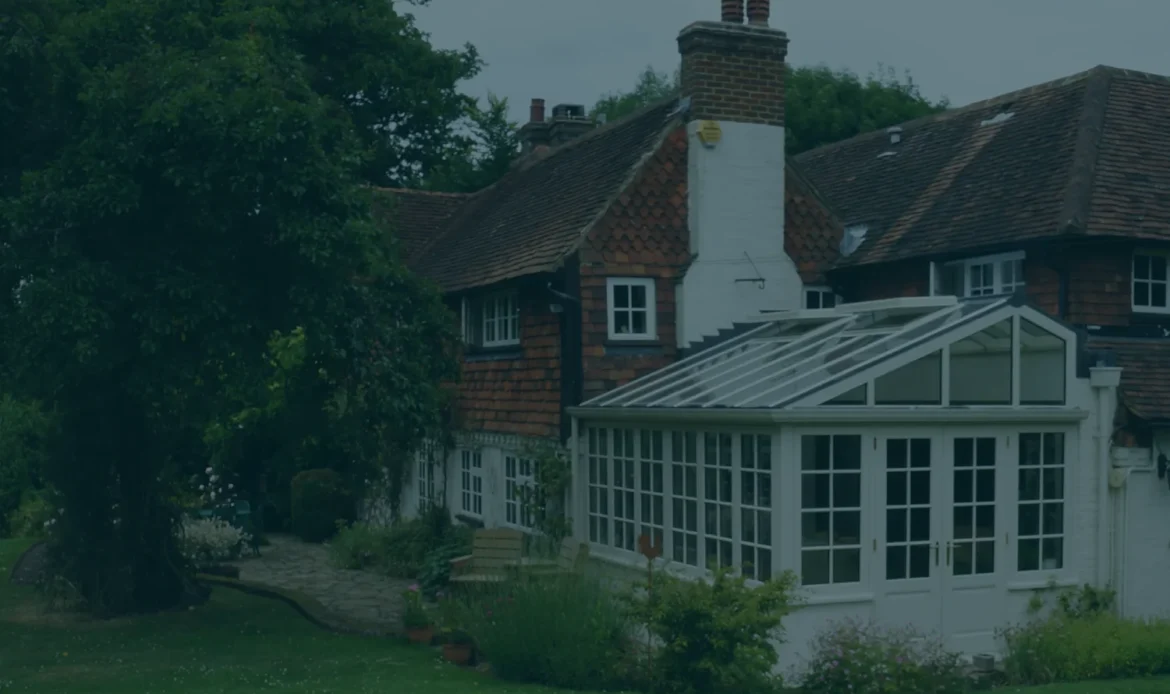
The most expensive mistake in an extension project is rarely the visible one. It is not usually a paint finish, a glazing choice or a late design change. More often, it begins much earlier – when a beautifully conceived room has not been aligned properly with UK building control requirements from the outset. For homeowners navigating UK building regulations for bespoke hardwood extensions, that early technical clarity is what protects both the design and the investment.
A painted timber orangery, garden room or glazed extension should feel effortless once complete. Light should move well through the space, sightlines should feel calm and proportions should sit naturally with the house. Yet behind that refinement sits a web of rules covering structure, thermal performance, ventilation, fire safety, drainage and glazing. Good projects do not treat these as obstacles. They use them to shape a better result.
Planning permission tends to get the attention because it is public-facing and often emotionally loaded. Building regulations are quieter, but they are what determine whether the extension is safe, efficient and legally compliant. They govern how the room is built, how it performs over time and how it connects with the existing property.
That matters even more with a bespoke painted hardwood extension. Unlike a generic add-on, a tailored painted timber structure is designed around the architecture of the house, the intended use of the room and the practical realities of daily life. A family kitchen extension used from early morning to late evening places very different demands on glazing, insulation and ventilation than a formal garden-facing room used occasionally. Compliance cannot be bolted on at the end. It has to be considered as part of the architectural design.
The phrase can sound intimidating, but the process becomes far more manageable when broken into the main areas building control will assess. The exact route depends on the scale and design of the scheme, but most bespoke painted timber extensions will need careful attention in several core categories.
Every extension must demonstrate that it is structurally sound. That includes foundations, load paths, roof construction and the way the new structure meets the existing house. In a glazed extension or orangery, this can be more complex than clients first expect because large panes of glass and elegant roof lanterns still need substantial support.
This is where good design and engineering must work together. Slim sightlines may be desirable, but they must be balanced against span, load and long-term stability. Ground conditions also matter. Trees, clay soils and nearby drains can all influence foundation design, and these are not details to leave to guesswork once work has started.
One of the biggest shifts in recent years has been the tightening of energy performance expectations. Building regulations require floors, roofs, walls, doors and glazing to meet specific thermal standards. For bespoke factory finished painted hardwood extensions, this is particularly important because clients rightly expect the room to feel comfortable throughout the year, not just look impressive in photographs.
A well-designed painted timber extension should avoid the old compromise of being too hot in summer and too cold in winter. Achieving that means careful specification of insulated foundations, high-performing glazing, roof build-ups and junction details where heat can be lost. It may also affect the ratio of glazing to solid elements. More glass is not always better if it undermines comfort or compliance.
The appeal of an extension is often tied to openness and light, especially when it connects kitchen, dining and garden spaces. Yet the more enclosed and thermally efficient a room becomes, the more important ventilation is. Building regulations require fresh air provision and, in many cases, effective extraction from kitchens and utility areas.
This has a direct influence on how a room feels to inhabit. Background ventilation, opening lights and mechanical extraction must all be considered early, particularly in open-plan family spaces where cooking, entertaining and everyday living happen in one connected volume. The aim is not simply to satisfy a regulation on paper. It is to create a room that remains pleasant, healthy and easy to live in.
Glazing is central to most bespoke painted timber extensions, but it is also one of the most closely regulated elements. Certain areas require safety glass, particularly where glazing sits close to floor level, near doors or along circulation routes. Roof glazing has its own requirements, as does the performance of sealed units.
For design-conscious homeowners, this is a useful reminder that beautiful glazing design is never just about size or framing profile. It is about specification, placement and compliance working together. Done properly, the room feels lighter and safer without appearing over-engineered.
Fire safety rules vary depending on the extension layout and how it interacts with the original house. If the project alters escape routes, introduces open-plan arrangements or sits close to a boundary, additional considerations may apply. This can affect doors, glazing, structural elements and internal layouts.
This is one of the clearest examples of why bespoke design needs technical oversight from the start. A layout that feels ideal in principle may need refinement once fire strategy is considered. That is not a design failure. It is part of arriving at a room that is both elegant and properly resolved.
Many extension sites involve practical complications below ground. Existing drains may need to be diverted, protected or built over with approval. Surface water also needs to be handled correctly, especially where larger roof areas are introduced.
These issues can have a notable impact on cost and programme. They are rarely glamorous, but they are critical. An early survey and clear technical review can prevent expensive surprises later.
In most cases, approval is sought either through a full plans application or a building notice. For bespoke hardwood extensions, full plans approval is generally the wiser route. It allows the technical design to be reviewed in advance, which gives homeowners and project teams greater certainty before work begins.
That matters on premium projects where architectural detailing, structural calculations and manufacturing drawings all need to align. A painted timber extension is not a commodity purchase. It is a composed part of the home, and it benefits from a process that respects that complexity.
Site inspections will usually follow at key stages, such as foundations, drainage, structural works and completion. Passing those inspections depends not only on the drawings but on disciplined execution on site.
The most familiar problems are not usually dramatic. They are incremental. A glazing arrangement is approved aesthetically before thermal calculations are finalised. A roof design is developed without properly resolving structural support. Drainage is assumed to be straightforward until excavation begins. None of these are unusual, but each can cause delay, redesign or unwanted compromise.
Another common issue is treating a bespoke painted timber extension as though it sits outside the normal rules because it is perceived as a conservatory or garden room. Sometimes exemptions exist, but many high-quality extensions intended for year-round use will fall well within full regulatory scrutiny. If the room is to function as an integrated part of the home, it should be designed accordingly.
Not all extension materials behave the same way under regulatory demands. In a luxury painted timber structure, the quality of the design lies in the detailing as much as the form. Junctions, coatings, weather protection, glazing interfaces and structural movement all need proper thought.
This is where painted Sapele hardwood performs particularly well for external architectural joinery. It offers the strength and stability required for refined glazing schemes while supporting the enduring, tailored finish discerning homeowners expect. Combined with a factory-applied, multi-coat finish, it also contributes to the long-term resilience that a regulation-compliant extension should deliver in practice, not just on completion day.
The best extensions do not separate creativity from compliance. They bring them together early, through measured design development, technical review and disciplined project management. That is especially true when the ambition is not merely to add square footage, but to create a room that feels wholly at home within a period property or a well-resolved contemporary house.
For architects, interior designers and homeowners alike, the real value lies in coordination. When planning guidance, structural engineering, thermal calculations, joinery design and site delivery are handled as one conversation, the project is far less likely to lose its character under regulatory pressure. Farrow & Jones approaches that process as part of the design itself, not as an administrative afterthought.
A bespoke extension should never leave you choosing between compliance and beauty. With the right technical groundwork, the room can be generous with light, precise in detail and built for everyday living. That is the standard worth aiming for – a space that feels effortless because every difficult decision was resolved properly long before the furniture arrived.