Built for living , loved for a lifetime.
About Us

Lorem Ipsum is simply dummy text of the printing and typesetting industry.
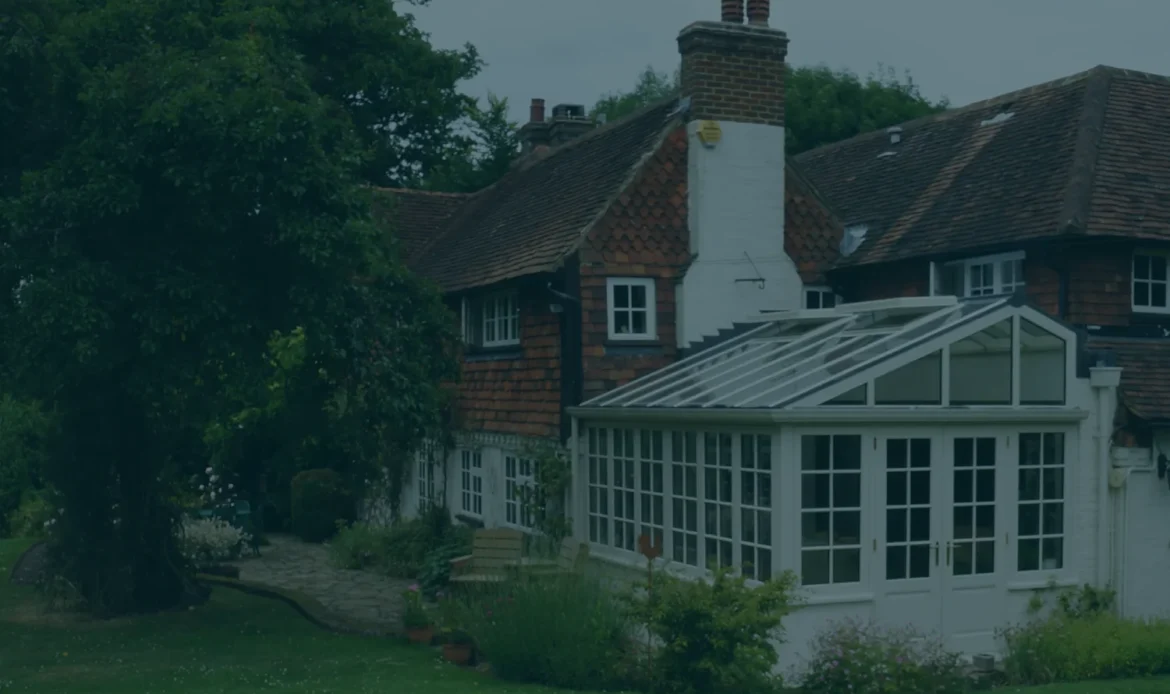
A conservatory can be flooded with daylight and still feel disappointing by mid-afternoon. Too much glare on a bright spring day, a heavy roofline that steals sky views, or glass that leaves the room chilly in January can all undermine what should be the most uplifting space in the house. When maximising natural light in custom conservatories, the real question is not simply how much glass to include, but which glazing choices will make that light feel balanced, comfortable and beautifully liveable.
In a bespoke conservatory, glazing is never a finishing touch. It is one of the core design decisions, shaping the character of the room as much as the joinery, the roof structure or the way the extension meets the garden. For homeowners investing in a tailored living space, that matters. The best schemes do not chase brightness at any cost. They aim for quality of light – soft in the morning, generous throughout the day, and controlled enough to support dining, reading, family life and entertaining.
It is easy to assume that more glass automatically means more natural light. In practice, proportion and placement are just as influential. A conservatory with carefully considered glazing bars, slim sightlines and a well-judged roof design can feel brighter than a larger structure with poorly planned panels and overbearing framing.
Orientation is also part of the equation. A south-facing conservatory may receive abundant sunlight, but it often needs solar control to keep that light pleasant. A north-facing room, by contrast, benefits from softer, more even daylight and may call for glazing that prioritises clarity and thermal performance over sun reduction. East-facing conservatories welcome lovely morning light, while west-facing designs must deal with low evening sun and potential glare.
This is where a custom approach earns its place. Rather than selecting a standard glass specification, a well-designed conservatory considers your property, your aspect and how you intend to use the room across the seasons.
The most successful glazing schemes combine visual lightness with year-round comfort. That usually means balancing three priorities – light transmission, thermal efficiency and solar control.
Clear double glazing remains a strong choice where preserving brightness is the main goal. It allows a high level of visible light into the room and keeps views crisp and open. In many premium conservatories, however, clear glazing alone is only part of the answer. If the roof and principal elevations all use standard clear glass, the room can become too bright or too warm at certain times of day.
Solar control glazing is often the more refined option for roof sections or sun-exposed elevations. This type of glass is designed to reduce the amount of solar heat entering the space while still admitting generous daylight. The benefit is not only thermal comfort. It can also soften glare, making the room more usable for long lunches, relaxed evenings and open-plan family living.
Low-emissivity glazing, often referred to as low-E glass, helps keep warmth indoors during colder months. In a conservatory intended for everyday use rather than occasional summer enjoyment, this is particularly important. A room can be full of light and still feel detached from the rest of the home if the glass specification does not support comfortable winter temperatures.
For homeowners seeking the highest performance, double-glazed units with specialist coatings usually provide the best balance. Triple glazing may sound like an obvious upgrade, but it is not always necessary or desirable in every part of a conservatory. It can add weight, affect sightlines and alter how much light comes through. In some designs, especially where roof glazing is involved, the best result comes from a carefully specified double-glazed system rather than simply choosing the thickest unit available.
If walls shape the outlook, the roof shapes the atmosphere. Overhead glazing has the greatest influence on how light travels through a conservatory, which is why roof design deserves close attention early in the process.
A fully glazed roof creates a classic conservatory feel, with dramatic sky views and a strong connection to the garden. Done well, it can make the room feel airy and uplifting throughout the day. But there are trade-offs. Too much uninterrupted roof glazing may introduce glare, create hotspots in summer and reduce opportunities for softer, more controlled lighting.
This is why many bespoke schemes use a more measured approach. Combining glazed roof sections with well-proportioned painted timber rafters can frame the light beautifully rather than leaving it unchecked. The structure itself becomes part of the experience, giving rhythm, depth and architectural presence.
Roof lanterns can also be effective where the conservatory is part of a larger extension or orangery-style design. They draw daylight deep into the interior while leaving more insulated roof area around them. That often produces a calmer, more grounded room, particularly in kitchen-living spaces where constant overhead brightness is not always desirable.
Not every conservatory calls for entirely clear glazing. In some settings, a more nuanced specification improves both comfort and privacy.
Tinted glass can reduce solar gain and cut harsh brightness, but it should be used with care. If overdone, it may subtly darken the room and change the appearance of the garden beyond. In high-end conservatory design, the aim is usually to preserve natural colour and clarity rather than create a noticeably shaded effect.
Obscured or satin-finished glazing may be useful in limited areas where privacy matters, perhaps near a neighbouring boundary or around a lower side panel. The key is restraint. In a room designed to celebrate daylight and views, privacy glass should solve a specific problem rather than become a default choice.
There are also self-cleaning coatings, which can be worthwhile on difficult-to-access roof panels. While they should not be mistaken for a maintenance-free solution, they do help rainwater disperse more evenly and reduce visible build-up over time. For larger glazed roofs, that extra practicality can make a genuine difference to how well the conservatory keeps its crisp, elegant appearance.
Glass is only half the story. The frame design around it can either support natural light or interrupt it.
In custom conservatories, finely judged painted timber glazing bars and structural members bring definition without heaviness. The visual warmth of painted timber matters here. It gives the room architectural substance and complements both period homes and well-detailed contemporary properties, while still allowing the glazing itself to remain the star.
Colour selection influences this more than many homeowners expect. Lighter painted finishes can gently reflect daylight around the interior, creating an airy and calm atmosphere. Darker shades add drama and contrast, particularly against garden planting, but they can make framing feel more pronounced. Neither is inherently better. It depends on the character of the property, the scale of the conservatory and the mood you want the room to carry.
For exterior structures, painted Sapele hardwood offers the durability and structural stability needed for long-term performance, particularly when finished with factory-applied, multi-coat Teknos coatings. That level of material discipline is not only about weather resistance. It supports finer detailing, sharper sightlines and a finish that remains crisp over the years.
A conservatory that looks wonderful in photographs but feels too hot, too cold or too exposed in daily life will never truly earn its place in the home. That is why glazing decisions should always be tied to how the room will be used.
If the space is intended as a breakfast room, morning light may be the greatest asset. If it will extend a kitchen for family living, the brief may call for steadier, all-day comfort. If it is designed for entertaining, evening glare and internal reflections become more relevant.
Furniture layout matters too. A dining table under the brightest roof panel may seem attractive at first, but if the sun sits directly overhead for much of the afternoon, it can quickly become uncomfortable. Likewise, a reading chair placed beside clear full-height glazing may need softer light than the architecture alone suggests.
The most successful projects resolve these details early, with glazing, structure and interior use all considered together. That is where a fully managed design-and-build approach becomes so valuable. Instead of treating glass as a technical specification to be chosen at the end, it becomes part of a coherent architectural response.
When clients begin planning a conservatory, they often ask for more light. What they usually want is something more subtle – a room that feels uplifting in winter, calm in summer and naturally connected to the garden every day of the year. Maximising natural light in custom conservatories is really about shaping that experience with care.
The right glazing will not shout for attention. It will simply make the room feel effortless to live in, from the first coffee of the morning to the last lamp lit after dusk. That is the kind of light worth designing for.