Built for living , loved for a lifetime.
About Us

Lorem Ipsum is simply dummy text of the printing and typesetting industry.
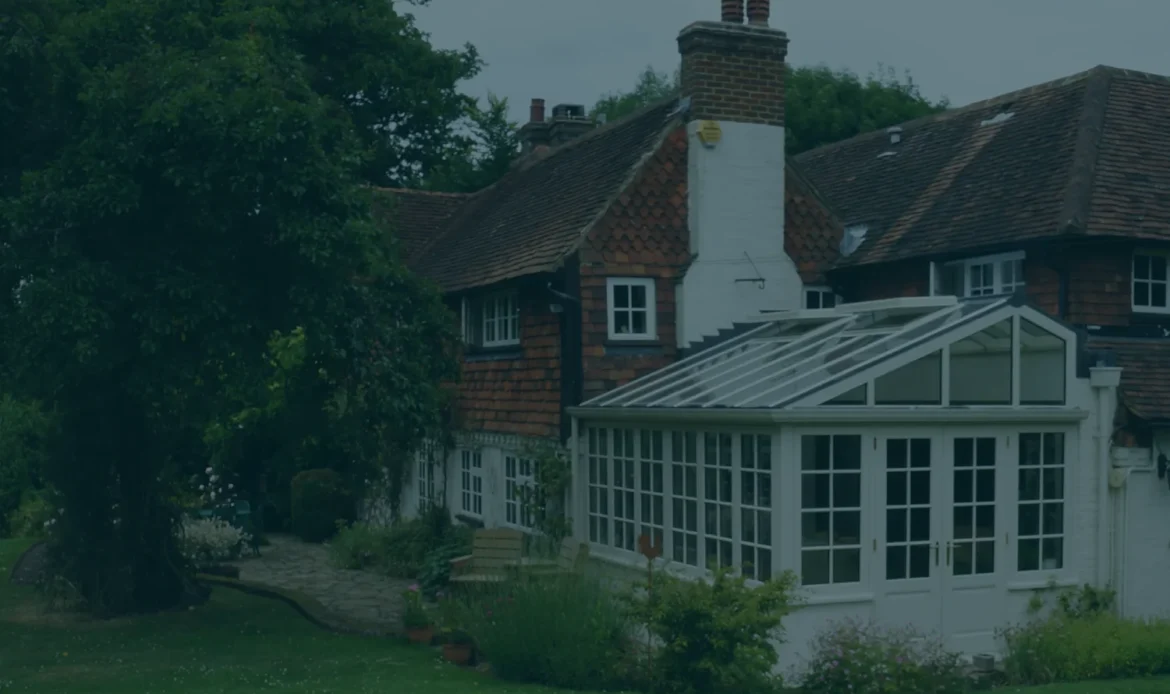
A kitchen in the Cotswolds has to do more than look beautiful. It needs to feel settled in its surroundings, generous in daily use, and thoughtfully resolved enough to suit both the architecture of the house and the rhythm of modern life. That is why luxury bespoke kitchens in the Cotswolds are rarely about decoration alone. They are about proportion, craftsmanship and the quiet confidence of a space designed properly from the outset.
In this part of the country, homes often come with strong architectural character – honey-toned stone, generous garden views, old beams, tall ceilings, thick walls or carefully judged contemporary additions. A kitchen that ignores that context can feel oddly detached, however expensive the materials may be. The most successful schemes belong to the house. They improve how it lives while respecting what made it special in the first place.
Luxury is often misunderstood as a matter of finishes. Stone worktops, hand-painted cabinetry and burnished brass details all have their place, but they are not what make a kitchen truly exceptional. The difference lies in how the room is planned, how the joinery is made, and how every element works together.
A bespoke kitchen begins with the room itself. Sightlines matter. So does natural light, especially in homes where the kitchen opens into a garden room, orangery or extended family space. Storage should be considered in a way that supports the household rather than forcing compromise later. Appliances need to be integrated without turning the room into a wall of machinery. Seating, circulation and everyday tasks all have to coexist with ease.
That level of detail is particularly important in the Cotswolds, where many properties balance heritage character with modern expectations. Families want open-plan living, but they do not want to lose the sense of warmth and permanence that drew them to the house in the first place. A bespoke approach allows both.
The kitchens that stand the test of time in the Cotswolds tend to share a certain restraint. They are tailored rather than showy. There is confidence in the joinery, a calmness in the palette and a sense that each decision has been made for the long term.
Painted timber cabinetry remains a natural fit, not simply because it suits period homes, but because it gives depth and softness that more uniform finishes often lack. Subtle colours drawn from the landscape – chalky neutrals, olive, stone, deep blue-grey – sit comfortably in both listed cottages and larger country houses. When paired with natural materials and carefully chosen metalwork, the effect is refined without feeling overworked.
That said, no single style defines luxury bespoke kitchens Cotswolds clients commission today. Some homes call for classic in-frame cabinetry with a furniture-like quality. Others suit a quieter architectural language, with cleaner lines and concealed detailing. The right answer depends on the house, the client and the life being lived there.
A kitchen should never feel like a standalone purchase dropped into a room. At the upper end of residential design, it is part of the architecture. This becomes even more significant when the space forms part of a wider reconfiguration, extension or garden-facing addition.
In many Cotswolds homes, the brief is not just to replace cabinetry. It is to improve the relationship between kitchen, dining and living areas, often while bringing in more light and a stronger connection to the garden. That may involve changing openings, adjusting ceiling details, designing roof glazing, improving flow or introducing joinery that visually links the kitchen with adjoining spaces.
This is where a fully considered design-and-build approach adds real value. When the kitchen is planned alongside the structure, glazing, lighting and interior architecture, the finished result feels composed. There is less risk of awkward joins, compromised proportions or decisions that have to be revisited mid-project.
In a luxury kitchen, materials should not simply impress on day one. They should also wear well, age gracefully and continue to feel appropriate ten years on. The most successful schemes rely on a balance of beauty and practicality.
Timber cabinetry offers warmth and character that suits both traditional and contemporary homes. Natural stone worktops bring variation and depth, but the choice of stone should reflect how the kitchen will be used. Some clients prefer the softly lived-in quality that develops over time, while others want a more consistent surface with greater resistance to staining and etching. Neither is automatically better. It depends on priorities.
Hardware, internal storage and joinery details also deserve close attention. Drawers should feel substantial. Pantry cupboards should be genuinely useful, not just visually appealing. Islands should be scaled to the room rather than oversized for effect. Luxury often reveals itself in these quieter decisions.
For painted timber elements, durability matters as much as appearance. High-quality factory-applied coatings provide a more refined finish and longer-term resilience, particularly in hardworking family kitchens where humidity, heat and frequent use are part of everyday life.
There is a noticeable difference between cabinetry made to fit a room and cabinetry made for a room. Bespoke joinery responds to awkward corners, ceiling heights, chimney breasts and architectural quirks in a way that standardised systems simply cannot. In period properties especially, that flexibility is essential.
Craftsmanship is not only about visible details such as panel profiles or cornicing. It is about consistency, proportion and the confidence of well-made joinery throughout. Doors should align beautifully. Painted finishes should have depth. Interiors should be as thoughtfully considered as exteriors. When these things are done well, the kitchen feels settled and substantial.
That sense of permanence is part of the appeal for discerning homeowners. A bespoke kitchen is not there to follow a passing trend. It is there to support daily life beautifully and add lasting value to the home.
The best kitchens are deeply personal. One household may need a sociable island where children do homework while supper is prepared. Another may want a more formal arrangement suited to entertaining, with a separate pantry, discreet preparation space and stronger visual connection to a dining area. A retired couple may prioritise calm, accessibility and uncluttered surfaces. A busy family may want layered storage, durable finishes and zones that can absorb the realities of everyday life.
This is why the early design stage matters so much. Before colours and handles are discussed, the right questions should be asked. How do you cook? How often do you entertain? Do you want the kitchen to feel open and on show, or more contained and intimate? What belongs within reach, and what should be tucked away?
There are trade-offs to navigate. A large island can be wonderfully sociable, but not if it disrupts movement. Open shelving can feel light and expressive, but it requires discipline. Statement lighting can transform a room, but only when layered with practical task lighting. Bespoke design is not about saying yes to everything. It is about choosing well.
For many homeowners, the greatest frustration is not design ambition but project complexity. Kitchens sit at the intersection of architecture, joinery, services, finishes and installation. When these elements are handled by separate parties without a clear lead, quality can slip and the process can become unnecessarily stressful.
A managed approach offers something more reassuring. Consultation, technical design, permissions where needed, manufacturing drawings, coordination and installation all work together. The result is not just a better kitchen, but a more coherent experience from first conversation to final handover.
For clients investing in high-value homes, that matters. They are not simply buying cabinetry. They are investing in a space that should improve the home structurally, visually and practically. When handled properly, the kitchen becomes the room that anchors the house – built for living, loved for a lifetime.
Farrow & Jones understands that level of expectation because the kitchen is rarely an isolated feature. It is often part of a larger story about light, craftsmanship and beautifully integrated living.
If you are considering a bespoke kitchen in the Cotswolds, look beyond finishes and fashion. Pay attention to architecture, proportion and the quality of the process behind the final room. The kitchen you will value most is the one that feels as though it was always meant to be there.