Built for living , loved for a lifetime.
About Us

Lorem Ipsum is simply dummy text of the printing and typesetting industry.
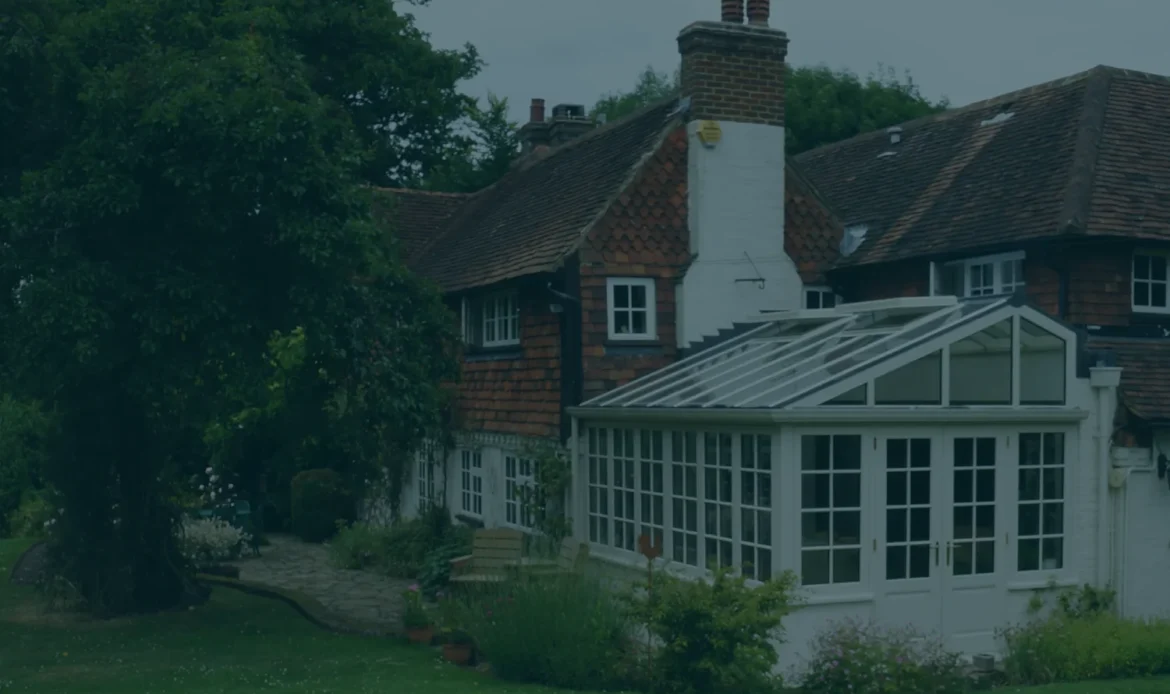
The best Berkshire luxury kitchen extension projects rarely begin with square metres. They begin with a moment – children doing homework at the island while supper simmers, friends gathered beneath a roof lantern, garden views becoming part of daily life rather than something glimpsed through a back door. For many homeowners, the real brief is not simply more room, but a more elegant way to live.
In Berkshire, that ambition often comes with a particular set of expectations. Houses in the county range from handsome period properties and village homes to refined contemporary residences, and a new extension has to do more than add floor area. It must respect the architecture already there, improve the way the house flows, and feel as though it belongs from the very first step inside.
Luxury is often misunderstood as a matter of finishes alone. Stone worktops, beautiful joinery and statement lighting all matter, but they are only convincing when the space itself has been carefully resolved. A well-designed kitchen extension should feel intuitive. Sightlines are calmer, circulation is easier, daylight is better judged, and the room supports both quiet family routines and larger occasions without strain.
That is particularly important in Berkshire homes, where clients are often balancing heritage character with modern living. A Victorian house may need a rear extension that lightens a once-fragmented ground floor without stripping away its identity. A substantial detached home may call for a large open-plan arrangement, yet still benefit from subtle zoning so the kitchen, dining and seating areas feel connected rather than cavernous.
The most successful schemes tend to share one quality: restraint. Instead of trying to compete with the main house, they complement it. Proportions are considered, materials are chosen for depth and longevity, and details are refined enough to reward attention without shouting for it.
It is tempting to think of a kitchen extension as a kitchen purchase with building work attached. In reality, architecture should lead and cabinetry should follow. If the room shape, ceiling height, glazing strategy and relationship to the garden are not right, even the finest joinery will struggle to rescue it.
This is where early design decisions make a considerable difference. The position of the island, for instance, should be informed by circulation and natural light rather than trends. A run of glazing may be beautiful, but too much glass in the wrong place can reduce wall space, complicate furniture layouts and create overheating in summer. Roof lanterns and glazed elevations need to be balanced with solid elements so the room feels grounded and comfortable throughout the year.
In period homes especially, the extension should have a clear architectural language. Sometimes that means a heritage-led design with painted hardwood timber, traditional proportions and finely detailed glazing bars. In other cases, a cleaner contemporary form is appropriate, provided it still sits comfortably against the existing building. The answer is rarely one-size-fits-all. It depends on the house, the setting and how the space will actually be used.
Clients often ask for more light, and rightly so. A kitchen extension should transform the darker parts of the home and strengthen the connection to the garden. Yet the goal is not maximum brightness at all times. It is balanced light.
Morning light at a breakfast area, softer illumination over a dining table, and a sense of warmth in the seating space during the evening all shape how a room feels. This is why roof lanterns, gable glazing and large-format doors should be treated as part of a wider composition rather than as standalone features. When proportioned correctly, they create a room that feels uplifting by day and composed by night.
Luxury kitchens are often photographed empty, immaculate and floodlit. Real life is more demanding. School bags appear, dogs wander in from the garden, guests gather around the island, and someone always wants to open the fridge while another person is cooking. A high-end extension should absorb this activity with grace.
That usually means thinking beyond the main kitchen itself. A walk-in pantry, utility room, boot room connection or discreet storage wall can change the experience of the whole space. These supporting areas keep the principal room calmer and more elegant, which is often the difference between a kitchen that looks impressive and one that genuinely improves daily life.
Open-plan living also benefits from thoughtful zoning. In larger extensions, subtle changes in ceiling treatment, joinery, flooring direction or lighting can define different uses without breaking the sense of openness. Families generally want connection, but not necessarily complete exposure. The best spaces allow conversation across the room while still giving each area its own purpose.
A luxury kitchen extension should age well. That applies to aesthetics, but also to construction quality. Materials with natural depth and character tend to sit more comfortably in established homes, and they often improve with time rather than looking tired after a few years.
Hardwood timber remains especially compelling in this context. It offers warmth, excellent detailing potential and an architectural quality that suits both heritage and contemporary schemes. When carefully crafted and properly finished, it brings a sense of permanence that mass-market alternatives rarely achieve. Factory-applied, multi-coat finishes also matter here, not only for appearance but for durability and long-term weather protection.
Inside, bespoke joinery is often where a project becomes unmistakably personal. This may be in the kitchen cabinetry, but also in dressers, media walls, window seats or dining storage built to the architecture of the room. Tailored joinery gives the extension a settled quality – as though it was always meant to be part of the house.
In Berkshire, planning considerations vary widely depending on the property and location. Homes in conservation areas, listed buildings and houses with a strong local vernacular all require a more careful architectural response. Even where planning is straightforward, structural design, energy performance and technical detailing need equal attention if the finished room is to perform as beautifully as it looks.
This is one reason many homeowners prefer a fully managed route rather than appointing separate designers, engineers and contractors. A kitchen extension involves far more than visual ideas. It requires measured surveys, planning support where needed, manufacturing information, structural calculations, project coordination and quality control on site. When these pieces are handled under one umbrella, the process is typically calmer and the end result more coherent.
That said, the right approach depends on the project. Some clients arrive with an architect already in place and need a specialist design-and-build partner to realise the vision. Others want support from the first sketch onwards. What matters most is continuity – the original design intent should survive the practical stages rather than being diluted by compromises and handover gaps.
One of the most frequent errors is building too much space without enough discipline. A larger footprint can be valuable, but only if the proportions remain comfortable and the room has a clear focal point. Oversized open-plan rooms often sound appealing on paper, yet feel exposed and impersonal if not carefully composed.
Another mistake is treating the extension as a separate entity rather than part of the whole house. Flooring transitions, ceiling levels, door positions and material choices all need to support a natural flow from old to new. If the extension feels disconnected, the investment will not deliver its full value either aesthetically or practically.
There is also the question of specification. Not every premium feature improves the experience of the room. Some are worth the investment because they affect comfort, durability and finish quality every day. Others are simply expensive distractions. The difference lies in whether a choice supports the architecture and the way the household lives.
A well-executed kitchen extension can add property value, but that is rarely the most meaningful return. The deeper value lies in how the house begins to work better – more light, more sociable flow, stronger garden connection, and a better backdrop for family life. In many homes, the kitchen is no longer a purely functional room. It is where the day starts, where people gather naturally, and where the house feels most alive.
For that reason, quality should be judged over decades, not just on completion day. Good architecture continues to feel right. Fine materials settle in gracefully. Careful craftsmanship holds its line. And a room that has been properly designed will still support changing family life long after the novelty of the project has passed.
For homeowners considering a Berkshire luxury kitchen extension, the most worthwhile question is not how much space can be added, but what sort of life the new space should make possible. Once that answer is clear, the design has something far more valuable than fashion to guide it.