Built for living , loved for a lifetime.
About Us

Lorem Ipsum is simply dummy text of the printing and typesetting industry.
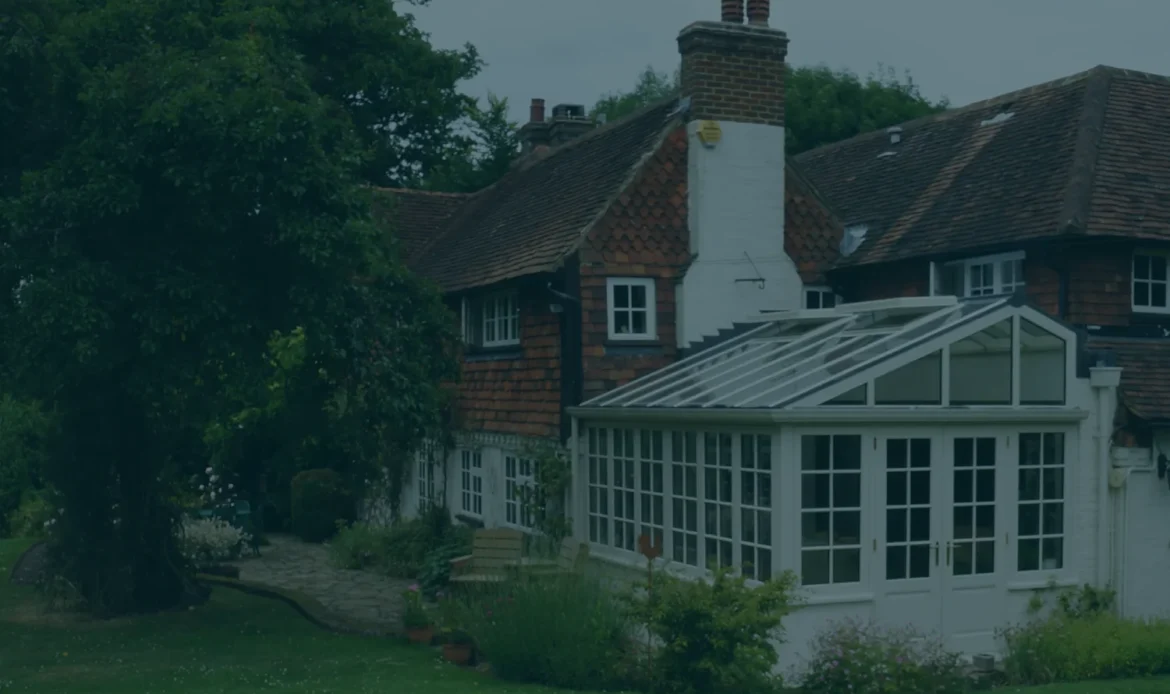
Stratford-upon-Avon has no shortage of handsome homes, from period townhouses with elegant proportions to country properties where the garden is as much a part of daily life as the kitchen. In that setting, choosing between premium wooden conservatory companies Stratford-upon-Avon is rarely about adding more square footage alone. It is about whether a new space feels as though it truly belongs to the house, both architecturally and in the way it supports modern living.
The best timber conservatories do not read as bolt-on rooms. They sit comfortably with the age, character and material palette of the property, while bringing in light, improving flow and creating somewhere you genuinely want to spend time. That sounds obvious, but this is where the difference between a standard supplier and a design-led specialist becomes clear.
At the premium end of the market, the conversation should begin with architecture rather than product options. A strong company will ask how you live, which rooms feel disconnected, where the light falls through the day and how the new structure should change the relationship between house and garden. Those questions matter more than brochure claims because they shape whether the final result feels refined or merely functional.
Craftsmanship is the second dividing line. Timber conservatories demand a higher level of design discipline than many homeowners first realise. Sightlines, glazing proportions, joinery details, roof geometry and paint finish all need careful control. When handled well, the result is elegant and enduring. When handled poorly, even expensive materials can look awkward.
The strongest firms also manage the whole journey with confidence. That includes early concepts, technical drawings, planning support where needed, structural thinking, manufacturing detail and installation. For homeowners investing significantly in their property, that joined-up approach is often as valuable as the conservatory itself. It reduces friction, protects design intent and avoids the all-too-common problem of too many parties pulling in different directions.
The first thing to judge is not the headline style but the quality of integration. A conservatory should complement the host property, not compete with it. On a Georgian or Victorian house, that may mean restrained detailing and balanced proportions. On a more contemporary home, it may call for cleaner lines and a quieter transition between original architecture and new extension.
Material choice matters just as much. Hardwood timber remains the natural choice for homeowners seeking warmth, longevity and a more architectural finish. It has presence. It also allows for finer detailing than many realise, particularly when manufactured and painted to a high standard. Ask how the timber is specified, how it is protected and how the company approaches long-term performance rather than just first impressions.
Then there is the question of glazing and roof design. This is often where premium projects either earn their reputation or lose it. Too much glass in the wrong place can leave a room uncomfortable at certain times of year. Too little architectural thought can make the conservatory feel detached from the main house. The right company will consider solar gain, ventilation, shading, insulation and orientation from the outset, not as an afterthought.
A polished showroom can be persuasive, but it is not the same as design intelligence. The homes around Stratford-upon-Avon often carry architectural nuance – brick tones, stone details, sash proportions, established gardens, listed features or conservation sensitivities. A premium conservatory company should be able to respond to that context with subtlety.
That means understanding when a fully glazed structure is appropriate and when an orangery-style approach may sit more comfortably with the property. It means knowing how to create a lighter, more sociable kitchen-living space without losing the sense of solidity and permanence that good houses carry. It also means being honest when a homeowner’s first idea is not quite right.
There is a useful trade-off to understand here. The more bespoke the design, the more thought, coordination and detailing the project requires. That can add time at the front end, but it usually leads to a far stronger outcome. For clients who care about finish, coherence and property value, that is generally time well spent.
When speaking to premium wooden conservatory companies in Stratford-upon-Avon, ask to see completed projects that resemble your type of home rather than generic inspiration images. A company that works well on a substantial country house may not necessarily show the same sensitivity on a tighter town plot, and the reverse is also true.
It is also sensible to ask who leads the process. Some firms are strong on manufacturing but lighter on architectural thinking. Others produce attractive concepts but rely heavily on third parties to resolve technical detail. Ideally, you want a team that can carry the design from initial brief through to final handover without dilution.
Ask, too, how they deal with planning context, structural considerations and thermal performance. Those subjects are not the glamorous part of the conversation, but they shape how enjoyable the room feels once the project is complete. A beautiful space that overheats, underperforms or feels acoustically harsh will never deliver the experience you were hoping for.
The real measure of success is not whether the conservatory looks impressive on completion day. It is whether six months later it has become the part of the house where everyone naturally gathers. The best projects improve circulation, draw daylight deeper into the home and make everyday routines feel easier and more pleasurable.
For one family, that might mean a garden-facing breakfast area connected to a bespoke kitchen. For another, it could be a calmer sitting room with framed views and a stronger sense of retreat. In larger homes, a timber conservatory can also act as a graceful link between old and new, allowing extensions to feel properly integrated rather than stitched on.
This is why premium homeowners tend to place such value on tailored design. They are not simply buying a structure. They are investing in a new way of living in their home, and the detailing needs to support that ambition.
Many conservatory projects become stressful not because the idea is wrong, but because responsibility is fragmented. One consultant handles design, another prepares planning drawings, a different supplier manufactures the structure and a separate contractor interprets it on site. That arrangement can work, but it leaves more room for compromise.
A fully managed service offers something more controlled. Design intent, technical development, production and installation remain aligned. For discerning homeowners, that often creates reassurance as much as efficiency. There is one clear vision for the project and one team accountable for seeing it through properly.
This approach is especially valuable on higher-end homes where interior joinery, kitchens, flooring and landscaping may all need to relate to the new extension. The conservatory should not feel like a standalone purchase. It should feel woven into the wider architecture of the property.
One name often considered in this category is Farrow & Jones, known for combining bespoke timber craftsmanship with architectural design and end-to-end delivery. That kind of model tends to appeal to homeowners who want a sofa-ready finish rather than a building project that still feels unresolved at handover.
The most successful projects add more than visual appeal. They create lasting value by improving usability, strengthening the home’s design coherence and making the property more attractive to future buyers who notice quality. While no extension should be chosen purely on resale thinking, it would be naive to ignore the role that good architecture plays in protecting and elevating a home.
Timber is particularly compelling here because it carries a sense of permanence and craft. In the right hands, it matures beautifully and enhances the character of both traditional and well-designed contemporary homes. That said, it does require proper specification and care. Premium companies should be transparent about finishes, maintenance expectations and aftercare, because enduring quality is built on honesty as much as aspiration.
For homeowners in Stratford-upon-Avon, where architectural character is part of the area’s appeal, that long-term perspective matters. A thoughtfully designed wooden conservatory can feel entirely natural to the setting, giving the house more light, more generosity and more everyday pleasure without eroding its identity.
The right company will understand that you are not merely extending a property. You are shaping how it will be lived in for years to come, and that deserves patience, judgement and craftsmanship equal to the home itself.