Built for living , loved for a lifetime.
About Us

Lorem Ipsum is simply dummy text of the printing and typesetting industry.
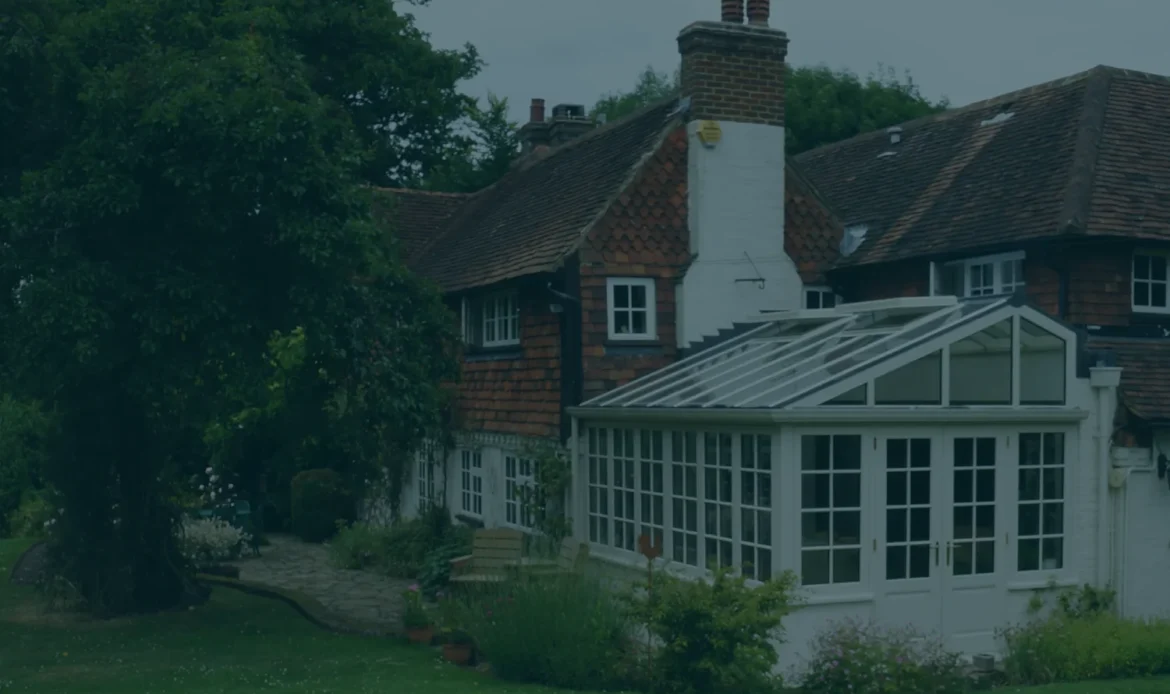
A beautifully proportioned room can still feel unresolved if the joinery is an afterthought. In many of Knutsford’s period homes and architect-designed properties, the difference between a space that looks finished and one that truly feels complete often comes down to bespoke architectural joinery in Knutsford – crafted not simply to fit, but to belong.
This is where design discipline matters. Architectural joinery is not just cabinetry, shelving or fitted seating. It is the part of a home that connects structure, flow and daily living. When handled well, it brings calm to an open-plan kitchen, gives purpose to an orangery, and adds character to a garden-facing room without overwhelming it.
The term is sometimes used loosely, but true architectural joinery sits at the meeting point of architecture, interior design and craftsmanship. It is designed in response to the property itself – its proportions, natural light, ceiling heights, sightlines and style – rather than selected from a catalogue and adjusted to fit.
In practice, that might mean a hand-painted pantry wall that mirrors the detailing of original cornicing, a window seat built into a new bay with concealed storage beneath, or a full run of cabinetry that frames roof lantern light rather than competing with it. The joinery becomes part of the architecture of the room, not a layer placed on top.
For homeowners in Knutsford, this approach is particularly valuable because many properties demand sensitivity. A substantial Victorian house, a Georgian townhouse or a carefully extended country home each call for different responses. Good joinery respects the language of the house while still making it work for modern life.
Knutsford has no shortage of distinctive homes, and with that comes a higher expectation of design quality. Homeowners are rarely looking for standard fitted furniture. They want spaces that feel tailored, coherent and enduring.
That is especially true in rooms asked to work hard. Kitchen-living spaces now need to support cooking, entertaining, homework, relaxed evenings and weekend gatherings. Garden rooms and orangeries are expected to feel as considered as the original house. In these settings, bespoke joinery does more than add storage. It shapes how the room is used and how it feels to spend time there.
There is also a value question, though not in the narrow sense of immediate return. Well-designed joinery adds permanence. It can make a newer extension feel rooted in the property, and it can help older homes adapt gracefully to current ways of living. For many clients, that balance of beauty and practicality is exactly the point.
In kitchen and family spaces, joinery often provides the visual structure that holds everything together. Tall cabinetry can anchor one wall while lower furniture keeps views open towards the garden. A breakfast dresser or drinks cabinet can soften the transition between cooking and living zones. Even smaller details, such as integrated banquette seating or a carefully framed utility area, help a large room feel settled rather than sprawling.
In orangeries and glazed extensions, the challenge is different. Too much furniture can interrupt the sense of light, yet too little can leave the room feeling exposed. Bespoke joinery solves that tension by giving function a quieter presence. A low cabinet beneath full-height glazing, a built-in bookcase around a chimney breast, or a painted dresser with natural timber interiors can provide substance without heaviness.
Bedrooms, dressing rooms and entrance halls benefit too, though the design priorities shift. In private spaces, joinery should feel calm and intuitive. In a hall, it should create an immediate sense of order and welcome. The best schemes never feel over-designed. They simply make the house read more clearly.
Proportion is the first marker of quality. Doors that are too wide, shelves that are too deep, or mouldings that are too heavy can subtly disrupt a room. Bespoke work allows each element to be tuned to the space, which is why it tends to look quieter and more confident.
Material choice matters just as much. Hardwood timber remains a favourite for premium architectural joinery because it offers depth, durability and a finish that improves with time. Painted timber can feel crisp and tailored, while oiled or stained finishes bring warmth and grain to the fore. The right decision depends on the property, the room and the atmosphere you want to create.
Then there is detailing. Shadow gaps, panel profiles, ironmongery, internal storage layouts and the relationship between joinery and surrounding surfaces all deserve careful thought. These are not decorative extras. They are the difference between a fitted unit and something that appears to have always belonged there.
Homeowners often begin by thinking about the finished look, but the process behind the work is just as important. Bespoke architectural joinery succeeds when it is considered early, ideally as part of a wider design scheme rather than after the main building decisions have been made.
That matters because joinery affects more than appearance. It can influence lighting positions, electrical layouts, flooring junctions, glazing lines and structural openings. If these decisions are coordinated from the outset, the result is cleaner and more resolved. If they are left too late, compromises tend to appear.
A fully managed approach is particularly valuable on substantial home improvement projects. When design, technical development, manufacture and installation are aligned, the joinery feels integrated from day one. There is less room for awkward gaps between intention and execution, and far more confidence that the final finish will justify the investment.
This is one reason clients undertaking larger transformations often prefer a single partner who understands both architectural design and interior detailing. Farrow & Jones takes that view, treating joinery as part of the home’s wider composition rather than a standalone package.
One of the most interesting aspects of bespoke architectural joinery in Knutsford is the way it bridges old and new. Many homeowners want to preserve the integrity of a period property while improving how it functions. Others want a cleaner contemporary interior that still feels warm and characterful.
There is no one formula for getting this right. In some homes, traditional panelled joinery with refined mouldings will feel entirely appropriate. In others, flatter profiles and more restrained detailing may be the better choice. The common thread is sensitivity. Joinery should acknowledge the architecture around it, even when introducing a more modern note.
This is where bespoke design earns its place. It allows you to take cues from existing windows, fireplaces, stair details or ceiling lines and reinterpret them in a way that suits present-day living. The result feels layered rather than forced.
Before commissioning joinery, it is worth asking what the room genuinely needs. More storage is not always the answer. Sometimes the better solution is to store less visibly and leave more breathing space. In other cases, joinery can solve several issues at once by adding display, utility and visual structure within one carefully composed wall.
It is also sensible to think about longevity. The most successful schemes are not tied too tightly to short-lived trends. They are rooted in materials, proportions and finishes that will still feel right in years to come. That does not mean they must be formal or traditional. It simply means they should have enough discipline to age well.
Finally, consider how the joinery will be used every day. A beautiful cabinet that is awkward to open, a media wall that exposes every cable, or a pantry with poor internal lighting will soon lose its appeal. Practical refinement is part of luxury.
Good joinery rarely shouts for attention. Instead, it gives a room its sense of ease. It makes entertaining feel more natural, family life more organised, and quiet daily rituals more enjoyable. It can draw the eye towards a garden view, soften a large extension, or make a once-disconnected space feel part of the home’s original story.
For discerning homeowners, that is the real appeal. Bespoke architectural joinery is not about filling walls. It is about shaping how a home lives, feels and endures. And in a place like Knutsford, where architecture and lifestyle are both held to a high standard, that level of care is not a luxury for its own sake. It is often what turns a well-designed house into one that feels deeply, unmistakably yours.
If you are planning a new kitchen, garden room or whole-home transformation, the smartest joinery decisions are usually made before the room is finished – when there is still time to make every line, material and proportion work together.