Built for living , loved for a lifetime.
About Us

Lorem Ipsum is simply dummy text of the printing and typesetting industry.
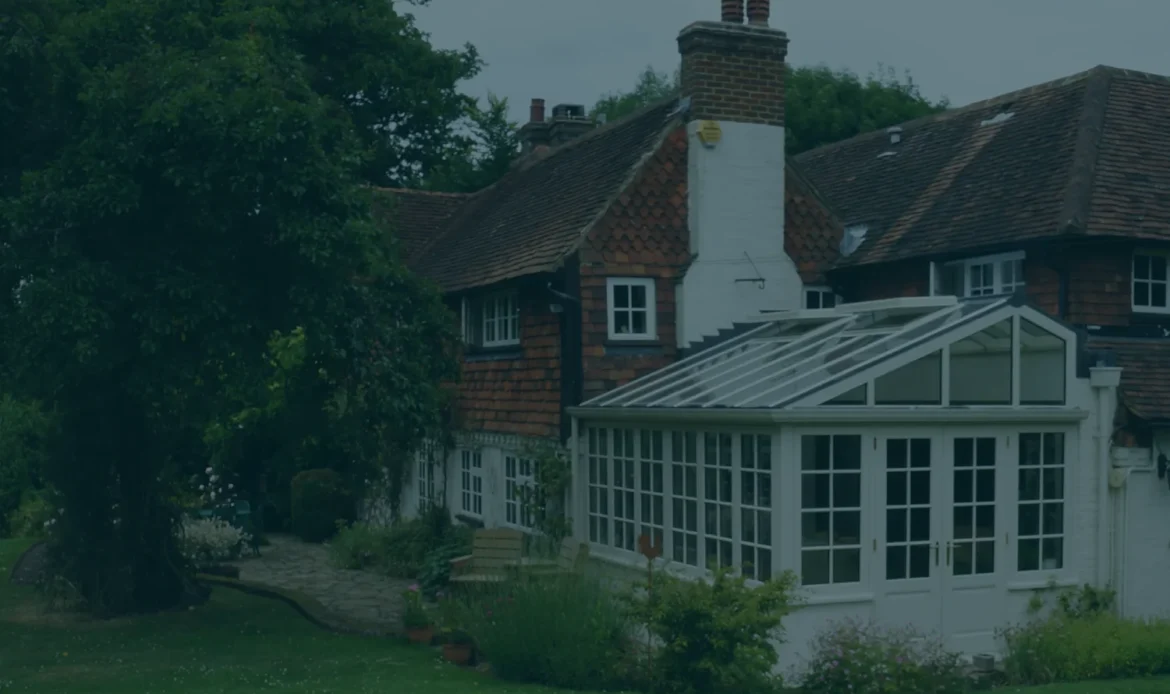
A room can be beautifully proportioned, filled with natural light and finished with fine materials, yet still feel unresolved if the joinery is treated as an afterthought. That is often the difference with made to measure joinery. It does not simply fill a gap or provide storage. It gives a space its sense of order, balance and permanence.
For homeowners investing in a considered renovation, extension or reconfiguration, this level of detail matters more than many expect at the outset. The right joinery can make an open-plan kitchen feel calm rather than cavernous, help a garden room feel architectural rather than added on, and bring a period property into modern family life without losing its character. In homes where design quality is a priority, bespoke joinery is rarely decorative alone. It is part of how the house works.
The phrase is sometimes used loosely, but true made to measure joinery is not the same as selecting standard cabinetry in a preferred finish. It begins with the architecture of the room – its proportions, sightlines, ceiling heights, structural features, natural light and the way the household intends to live in it.
That may mean a library wall that sits perfectly beneath a coffered ceiling, kitchen cabinetry designed around a roof lantern and long garden views, or boot room storage tailored to the rhythm of family life. Every dimension is considered, every material selected with the wider interior in mind, and every detail resolved so the finished result feels integral to the house rather than placed within it.
This is why bespoke joinery tends to feel so different in person. There is a visual calm to it. Cornices align, reveals are intentional, drawers and doors sit comfortably within the composition, and awkward corners are turned into useful, elegant features instead of being ignored.
There is nothing inherently wrong with off-the-shelf cabinetry where speed or simplicity is the main objective. But in refined homes, and particularly in period properties or architecturally ambitious extensions, standard sizes can quickly expose their limitations.
The first issue is proportion. A room with generous ceiling heights can make ordinary units look squat or disconnected. Equally, compact spaces need finely judged depth and scale to avoid feeling crowded. Standard products are made for average conditions. Exceptional homes rarely are.
The second issue is cohesion. A kitchen may look attractive on its own, but if the pantry, utility, media wall and window seats are all sourced separately, the house can begin to feel pieced together. Materials may be close but not quite right. Profiles may vary. The result is subtle, but noticeable.
Then there is performance. Storage is not only about quantity. It is about making the room easier to use. That means understanding how people entertain, where children drop school bags, how often small appliances are used, and whether a home office needs to disappear by evening. Made to measure joinery responds to those routines instead of asking the household to adapt.
The most obvious setting is the kitchen, because it is usually the hardest-working room in the house. Yet the value goes well beyond cabinetry. A bespoke kitchen can frame views, support circulation, integrate appliances discreetly and create a stronger connection between cooking, dining and relaxing. In larger open-plan rooms, joinery also helps define zones without interrupting the sense of flow.
Living spaces benefit just as much. A media wall can conceal technology while still feeling elegant. Alcove cabinetry can turn underused edges into storage with presence. Window seats can soften the threshold between house and garden while adding practical seating. When thoughtfully designed, these elements make a room feel finished in the best sense – comfortable, tailored and quietly confident.
Bedrooms, dressing rooms and bathrooms are another area where custom joinery proves its worth. These are intensely personal spaces, and standard layouts rarely suit everyone. Internal storage, lighting integration, drawer depths and finishes all make a difference to the experience of using the room each day.
In older properties, bespoke joinery is particularly valuable because few walls are perfectly straight and few floors entirely level. Instead of fighting those quirks, good joinery works with them. That preserves character while introducing a greater sense of order.
The beauty of premium joinery is often found in decisions that are not immediately obvious. It is the grain selection across a run of cabinetry, the profile of a frame, the weight of a drawer, the way painted timber meets stone, or how a cupboard line aligns with a door architrave.
These details are not superficial. They are what separate joinery that merely looks smart on completion day from joinery that continues to feel right years later. Materials matter here, as does manufacturing quality. Hardwood timber, expertly finished and properly detailed, brings depth and character that improve with age rather than date quickly.
There is also a practical side to refinement. Better hinges, better drawer systems, better internal fittings and better paint preparation all influence longevity. When a client is reshaping a significant part of their home, those distinctions are worth making. What appears similar at first glance can perform very differently over time.
One of the biggest misconceptions about bespoke joinery is that it is simply a manufacturing exercise. In reality, the most successful projects are shaped long before anything enters the workshop.
The design phase is where the best results are won. That is where joinery is considered alongside structural openings, lighting plans, flooring transitions, glazing, heating and furniture layouts. If those disciplines are developed in isolation, compromises tend to appear later. If they are resolved together, the final space feels composed from every angle.
This is particularly important in orangeries, kitchen extensions, garden rooms and other light-filled living spaces where joinery is highly visible. Cabinet heights may need to respond to glazing lines. Pantry runs may affect circulation to the garden. Island proportions may depend on roof structure and view corridors. These are architectural questions as much as joinery questions.
That is why a fully managed approach tends to serve clients better than a fragmented one. When design, technical detailing, manufacturing and installation are coordinated under one vision, there is far less room for the small disconnects that can erode a premium finish. For discerning homeowners, that oversight is not a luxury. It is part of protecting the investment.
The answer, quite often, is both. Some homes call for classic detailing – moulded frames, carefully judged cornicing, warm painted timber and joinery that sits naturally within the language of the original building. Others suit a quieter expression, with flatter profiles, cleaner lines and a more architectural restraint.
Neither approach is inherently better. What matters is appropriateness. Joinery should respect the house and support the way its owners want to live now. In a Georgian or Victorian home, that may mean preserving a sense of heritage while introducing hidden functionality. In a contemporary extension, it may mean using timber and texture to soften a more minimal scheme.
The strongest interiors rarely rely on fashion alone. They favour materials, proportions and details with staying power.
It depends on the room, the ambition of the project and the standard you expect at the end. If a space is temporary, secondary or driven purely by speed, fully bespoke work may not be necessary. But where architecture, usability and long-term value matter, it is often one of the wisest investments in the house.
That value is not only financial, though it can strengthen a property’s appeal. It is also felt in everyday life. A home that stores what it needs to store, flows as it should and looks resolved from room to room is simply easier and more enjoyable to live in.
For clients undertaking a significant transformation, whether in the Cotswolds, Surrey or a city townhouse elsewhere in England, joinery should never be viewed as a finishing touch to choose at the end. It deserves a place in the design conversation from the beginning.
At its best, made to measure joinery does something quietly powerful. It makes a home feel as though it has always been meant to be this way – generous in function, refined in appearance and built for living, loved for a lifetime.