Built for living , loved for a lifetime.
About Us

Lorem Ipsum is simply dummy text of the printing and typesetting industry.
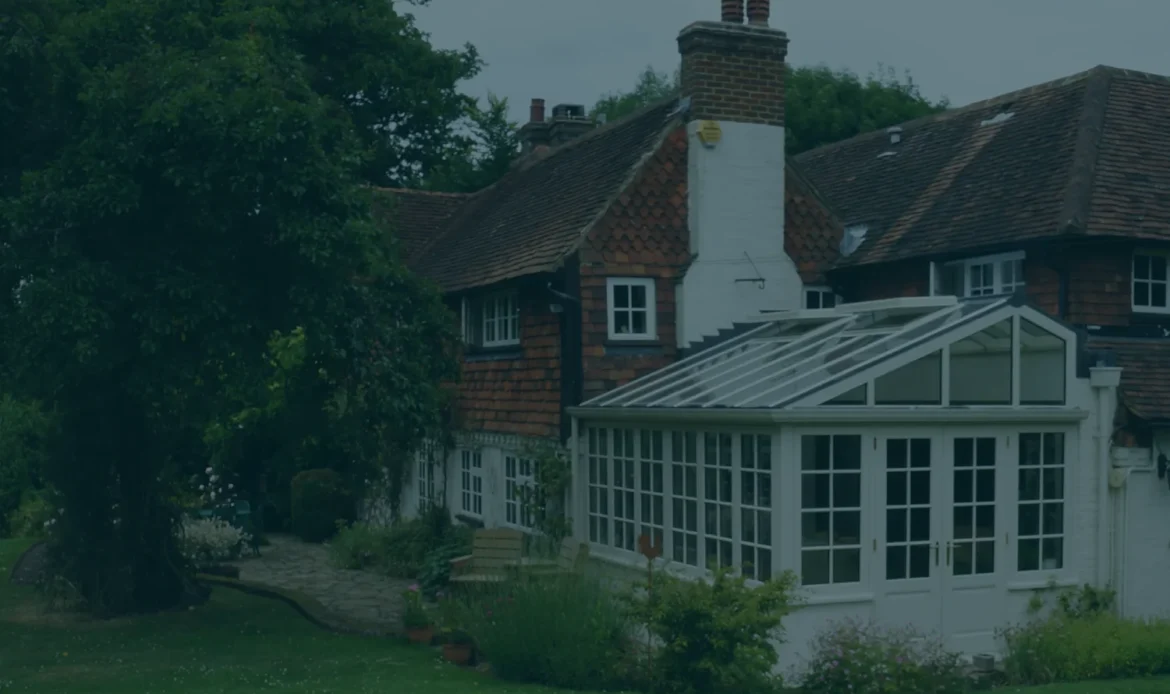
If you are asking how long does an orangery take, you are usually asking two things at once: how soon can we start enjoying the space, and how much disruption should we expect before then? The honest answer is that a beautifully resolved orangery is not a quick add-on. It is a carefully designed extension that needs to sit naturally with your home, satisfy technical requirements, and feel right both inside and out.
For most homeowners, the full journey takes several months rather than several weeks. A straightforward project may move from first consultation to completion in around four to six months, while more bespoke schemes, listed or period properties, or projects requiring planning approval can take longer. The construction phase itself is often only one part of the story.
A realistic orangery timeline usually falls into five stages: design, planning and approvals, technical development, manufacturing, and on-site construction with final finishing. Each stage matters because the quality of the end result depends on decisions made long before a foundation is dug.
At the early stage, design work can take two to six weeks depending on how developed your brief is. If you already know how you want the space to function – perhaps a kitchen extension with garden views, a family dining area, or a quieter room for entertaining – that process tends to move more smoothly. If the brief is still evolving, a little more time here is often well spent.
Planning and permissions can add another few weeks to a few months. Some orangeries fall within permitted development, but many premium homes, period properties and carefully considered schemes benefit from a formal planning route. If conservation constraints or structural complexities are involved, the timeline naturally extends.
Technical drawings, structural calculations and manufacturing preparation often take another three to six weeks. This is the stage where the project becomes buildable rather than simply desirable. Roof design, glazing specification, drainage, thresholds, insulation, and the junction between old house and new extension all need to be resolved properly.
Manufacturing lead times vary according to the design and material specification, but a bespoke hardwood orangery will never be an off-the-shelf product. Allow several weeks for fabrication once drawings are signed off. Then comes the on-site build, which commonly takes between eight and twelve weeks, sometimes longer for larger or more intricate projects.
Put together, that is why most well-executed orangeries are best thought of as a medium-term home improvement rather than a rapid alteration.
No two homes are quite the same, and that is especially true at the upper end of the market where design integrity matters. A new orangery attached to a Georgian house in the Cotswolds will not move at the same pace as a simpler extension on a modern detached property. The question is less about a universal timetable and more about the factors shaping your own.
Planning is one of the biggest variables. If your orangery is within permitted development limits, the administrative side may be relatively straightforward, although many homeowners still prefer the reassurance of a lawful development route. If your property is listed, in a conservation area, or has previous alterations that complicate the planning picture, more time should be allowed.
That extra time is not necessarily a drawback. For architecturally sensitive homes, careful planning can protect the character and value of the property. A rushed scheme that jars with the original house is rarely worth gaining a few weeks.
A modest orangery with a simple footprint and clear structural strategy can be designed and built more efficiently than a large open-plan extension with steelwork, roof lanterns, bespoke joinery and extensive glazing. Internal knock-throughs also influence the programme, especially where the aim is to create one elegant, uninterrupted kitchen-living space.
The more tailored the project, the more coordination is required. That is not a sign of delay. It is usually a sign that more detail is being considered before work begins.
What lies beneath the garden can alter the programme quickly. Drainage runs, tree roots, difficult access, or poor ground conditions can affect foundations and early-stage construction. Similarly, if significant structural alterations are needed to the existing house, the sequencing of the works becomes more involved.
An experienced design-and-build team will try to identify these issues early, but some site conditions only become clear once work begins. That is one reason sensible contingency should always sit within the programme.
A premium orangery is often defined by its craftsmanship – the proportions of the frames, the quality of the roof detailing, the relationship between glazing and masonry, and the joinery that makes the space feel part of the home rather than an appendage. Bespoke manufacturing takes time, especially when every element is made to suit the architecture.
For homeowners who care about finish, this is time well invested. The difference between a generic extension and a truly integrated orangery is usually found in these quieter details.
When clients ask how long does an orangery take, they often imagine the visible construction stage only. In reality, on-site works are more predictable when the preparation has been done properly.
The first weeks are usually focused on site set-up, demolition if required, groundworks and foundations. After that comes the structural shell, roof construction, windows and doors, which together make the building weather-tight. Once the envelope is complete, attention turns to first-fix electrics and plumbing, plastering, flooring, joinery, decoration and final installation details.
For a bespoke orangery, this phase commonly takes around two to three months. Larger kitchen-orangeries or projects involving substantial alterations to the existing house may run longer. The finishing stage is often underestimated, yet it is where the room really becomes liveable. Lighting, paint finishes, flooring transitions, cabinetry and ironmongery all contribute to that sense of a settled, complete interior.
A well-managed project should keep disruption as controlled as possible, but some inconvenience is inevitable. Access through the garden, temporary loss of parts of the kitchen, and periods of noise and dust are normal. Good sequencing and communication make a significant difference to how manageable this feels day to day.
Sometimes, yes – but only up to a point. If your brief is clear, the planning route is straightforward, and the design is relatively uncomplicated, the overall programme can be compressed. Decisive choices on finishes, glazing, heating and layout also help avoid delays.
What tends not to work is trying to force speed by skipping proper design development. That often creates hold-ups later, whether in planning, structural coordination, manufacturing amendments or on-site problem solving. A faster start can easily become a slower finish.
For clients investing in a lasting addition to a well-loved home, the better question is not simply how quickly can it be done, but how well can it be done within a sensible timeframe.
The smoothest projects usually begin with clarity. If you know how you want to live in the space, the design team can respond more precisely. Think about daily use as much as appearance. Will it be a light-filled kitchen for family life, a formal dining room, or a relaxed garden room that links several functions together?
It also helps to make key decisions early. Flooring, heating strategy, lighting design, external materials and joinery details can all affect the build sequence. Leaving these choices too late may not seem significant at first, but they can slow progress once the construction phase is under way.
Perhaps most importantly, work with a team that manages the project as a whole rather than as a series of disconnected appointments. Coordination between design, permissions, technical development, manufacture and installation is what gives a premium orangery its calm, cohesive quality. It is also what makes the timeline more reliable.
So, how long does an orangery take? In most cases, expect several months from first conversation to final handover, with the on-site build forming only part of that journey. A simpler scheme may move more quickly, while a highly bespoke orangery for a period home may take longer.
The most successful projects are rarely the ones completed at top speed. They are the ones that feel as though they were always meant to be there – filled with light, proportioned with care, and ready to be lived in from the moment the furniture goes back. If you approach the process with that standard in mind, the timeline tends to feel less like a wait and more like the making of something lasting.