Built for living , loved for a lifetime.
About Us

Lorem Ipsum is simply dummy text of the printing and typesetting industry.
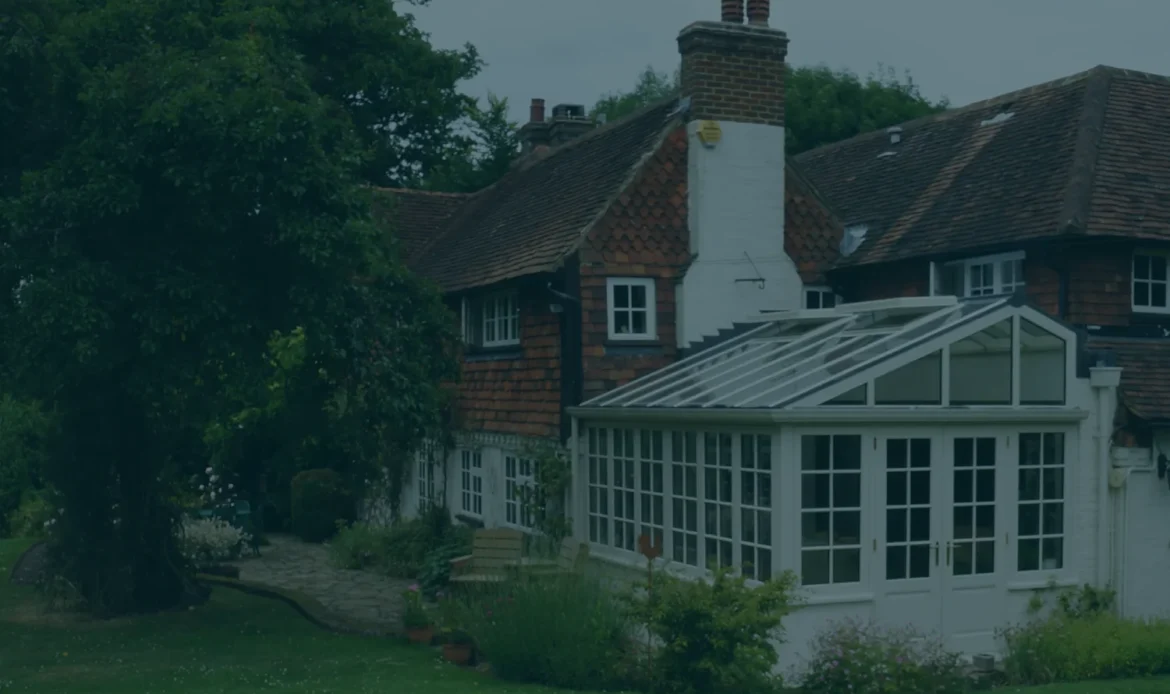
Choosing to invest in a wooden orangery is about more than just adding square footage; it is an architectural statement that enhances the character of your home. This complete guide to wooden orangery design will walk you through the benefits of timber construction, from its superior thermal properties to its timeless aesthetic appeal. By combining traditional joinery with modern glazing, a hardwood extension creates a seamless transition between your interior living space and the natural beauty of your garden.
Many homeowners debate between different materials, but timber remains the gold standard for high-end extensions. Specifically, a wooden orangery offers a level of structural integrity and aesthetic warmth that synthetic materials simply cannot match. Consequently, hardwood frames—such as Oak or Sapele—provide a sense of permanence and “weight” that aligns perfectly with period properties and modern luxury homes alike.
Furthermore, timber is a natural insulator. When paired with high-performance double or triple glazing, a wooden structure maintains a consistent temperature throughout the UK’s fluctuating seasons. Ultimately, this makes the room a practical, 365-day living space rather than a seasonal addition.
To truly understand this complete guide to wooden orangery construction, one must look at the specific architectural elements:
Bespoke Joinery: Every beam and frame is crafted to fit your home’s exact proportions.
Glazed Roof Lanterns: These serve as the focal point, flooding the room with natural light.
Solid Masonry Pillars: These provide the “orangery look,” separating it from a fully glazed conservatory.
Integrated Bi-Fold Doors: These allow for an indoor-outdoor flow, perfect for summer entertaining.
Most wooden orangeries in the UK fall under permitted development rights, provided they meet certain height and size criteria. However, if your home is a listed building or located in a conservation area, you will likely need full planning permission.
As a result, working with an experienced specialist is vital. At Farrow & Jones, we manage the planning process on your behalf, ensuring that your bespoke hardwood project meets all local authority standards while maximizing your home’s potential.
When researching the prices of orangeries, it is important to remember that a handcrafted wooden build is a premium investment. Because we use sustainably sourced hardwoods and expert craftsmen, the cost reflects the longevity and value added to your property.
Factors influencing the price include:
Wood Species: Oak is traditionally the most expensive but offers the longest lifespan.
Size and Complexity: Larger spans require more structural steel and complex joinery.
Glazing Specifications: Solar-control glass or self-cleaning options can affect the final quote.
We hope this complete guide to wooden orangery design has inspired your next home improvement. With over 30 years of experience in the UK, Farrow & Jones specializes in creating luxury timber spaces that stand the test of time. In fact, we manage every detail from the first sketch to the final installation.
Are you ready to transform your home? Contact us for a free design consultation today and let our artisans bring your vision to life.