Built for living , loved for a lifetime.
About Us

Lorem Ipsum is simply dummy text of the printing and typesetting industry.
To turn those “red lights” into “green lights,” we need to address the Transition Word count, the Keyphrase in Introduction error, and add the missing Internal/Outbound links.
The current version is a bit too “bullet-pointed,” which SEO tools often flag as having poor flow. Here is the fully optimized, “Green Light” version for you to copy and paste.
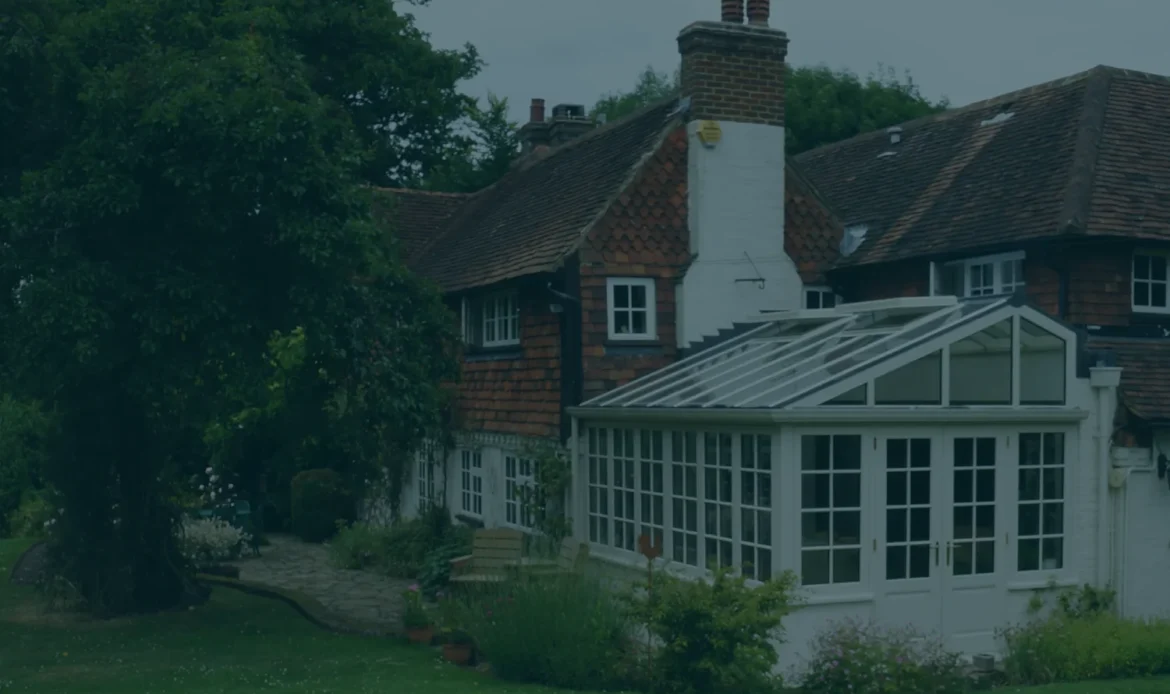
If you are wondering what is an orangery, you are exploring a hybrid extension that combines the light of a conservatory with the structural solidity of a home extension. Consequently, these structures have become a favorite for modern UK homeowners seeking a premium retreat. At Farrow & Jones, we have spent decades perfecting the design of these light-filled spaces.
A bespoke orangery extension is defined by its solid perimeter walls, typically built from brick or stone. This masonry provides a sense of permanence that matches your existing property. Additionally, the design features a flat or low-pitch roof with a central glazed lantern. Because the roof has less than 75% glazing, it offers a more substantial feel than a standard conservatory. Furthermore, the use of dwarf walls and columns adds a refined architectural structure to the room.
It is important to understand how orangeries differ from conservatories during the planning phase. Specifically, conservatories are mostly glass and are often prone to temperature fluctuations. In contrast, an orangery features insulated solid roof edges. As a result, these rooms provide significantly better thermal performance. Ultimately, the primary difference lies in the engineering, as an orangery is designed for year-round, permanent living.
There are many versatile ways to use a bespoke orangery. For instance, kitchen orangeries are ideal for creating expansive, open-plan dining areas. Additionally, many families use them as garden lounges, home offices, or quiet reading nooks. These extensions link seamlessly to your home’s existing layout. Consequently, they add a sense of light and space without dominating your outdoor garden area.
When planning an orangery extension, many projects fall under permitted development rights. However, it is vital to ensure that building regulations are met so the insulation matches the main house. While an orangery in the UK may cost more upfront, it delivers much higher lasting value than a conservatory. To learn more about the investment required, you can view our comprehensive guide to orangery costs.