Built for living , loved for a lifetime.
About Us

Lorem Ipsum is simply dummy text of the printing and typesetting industry.
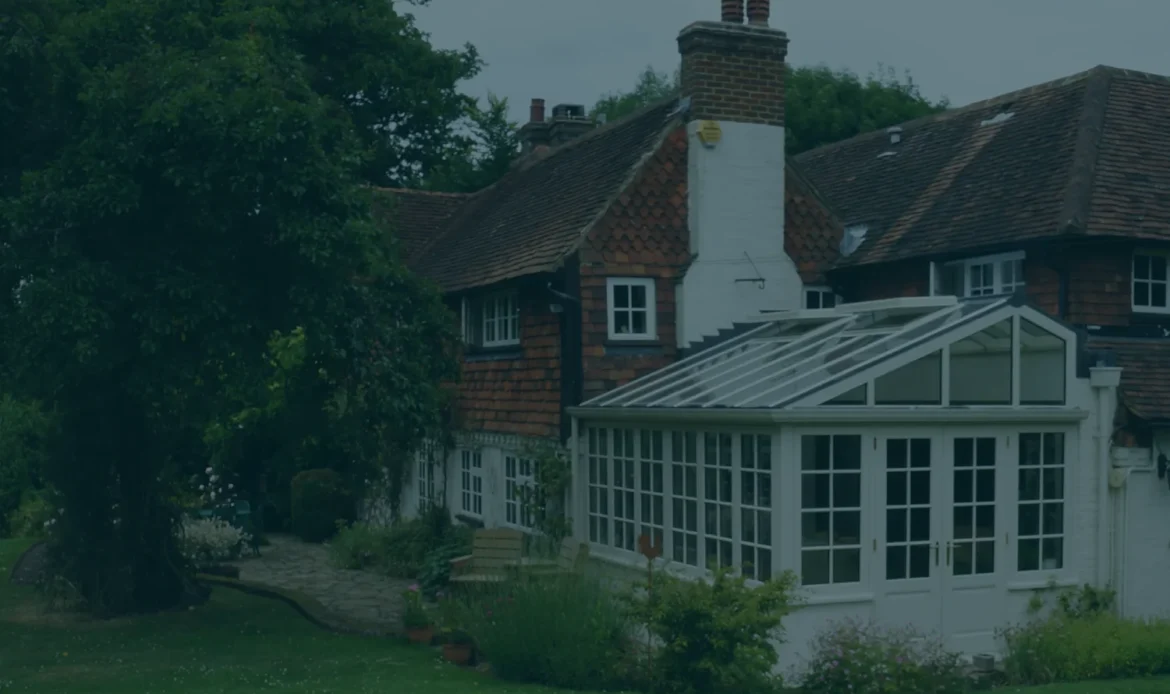
Planning a kitchen orangery is one of the most rewarding ways to transform the social heart of your home. By combining the structural solidity of an extension with the abundant light of a conservatory, these spaces create a seamless indoor-outdoor lifestyle. To help you navigate the process, we have compiled these expert tips for kitchen orangery design, ensuring your new space is as practical as it is beautiful.
When integrating a kitchen into an orangery, the layout is everything. Specifically, you should ensure the “kitchen triangle” (the distance between the sink, fridge, and stove) remains efficient. Consequently, many homeowners choose to place the main prep area under the roof lantern to take advantage of the natural task lighting.
One of the best tips for kitchen orangery success is to maximize vertical and overhead glazing. A central roof lantern is the signature of an orangery, but you must consider its placement. Furthermore, positioning the lantern over a central island creates a dramatic focal point that illuminates your social hub during the day.
In the UK, temperature control is vital. Modern orangeries should utilize high-performance, solar-control glazing. Ultimately, this prevents the room from overheating in the summer while retaining warmth in the winter. As a result, your kitchen remains a comfortable 365-day living space.
A successful extension should look like it has always belonged to the house. In addition to matching the brickwork, ensure the joinery and roofline are in harmony with the original building. Indeed, this is where bespoke hardwood frames excel, offering a sense of permanence that synthetic materials cannot replicate.
While the sun provides plenty of light during the day, your evening atmosphere depends on artificial lighting. For instance, use dimmable LEDs in the roof perimeter for ambient warmth and pendant lights over the island for functional task lighting.
Kitchens generate heat and moisture. One of our top tips for kitchen orangery planning is to invest in a high-powered extractor fan. Because of the glazed roof, you may need a specialized ceiling-mounted or downdraft extractor that doesn’t obstruct your view through the lantern.
To truly experience the beauty of a bespoke extension, consider installing wide bi-fold or sliding doors. Consequently, these allow you to open the entire wall to the garden, which is perfect for summer entertaining and alfresco dining.
Most kitchen orangeries fall under UK Permitted Development rights. However, if you are extending a listed building, you will likely need full planning permission. At Farrow & Jones, we manage these legalities to ensure your hardwood project meets every local standard.
Kitchens are high-traffic areas prone to spills. Opt for durable materials like stone or porcelain tiles. Furthermore, integrating underfloor heating beneath these tiles provides a consistent, “invisible” warmth that is far more efficient than traditional radiators.
When researching orangery prices, remember that quality materials like sustainably sourced Oak or Sapele add significant resale value to your home. In fact, a well-executed kitchen orangery is often cited as the single most impactful renovation for UK property prices.
We hope these tips for kitchen orangery design have helped clarify your vision. With over 30 years of experience, Farrow & Jones specializes in creating luxury timber spaces that stand the test of time.
Are you ready to transform your home? Contact us for a free design consultation today and let our artisans bring your vision to life.