Built for living , loved for a lifetime.
About Us

Lorem Ipsum is simply dummy text of the printing and typesetting industry.
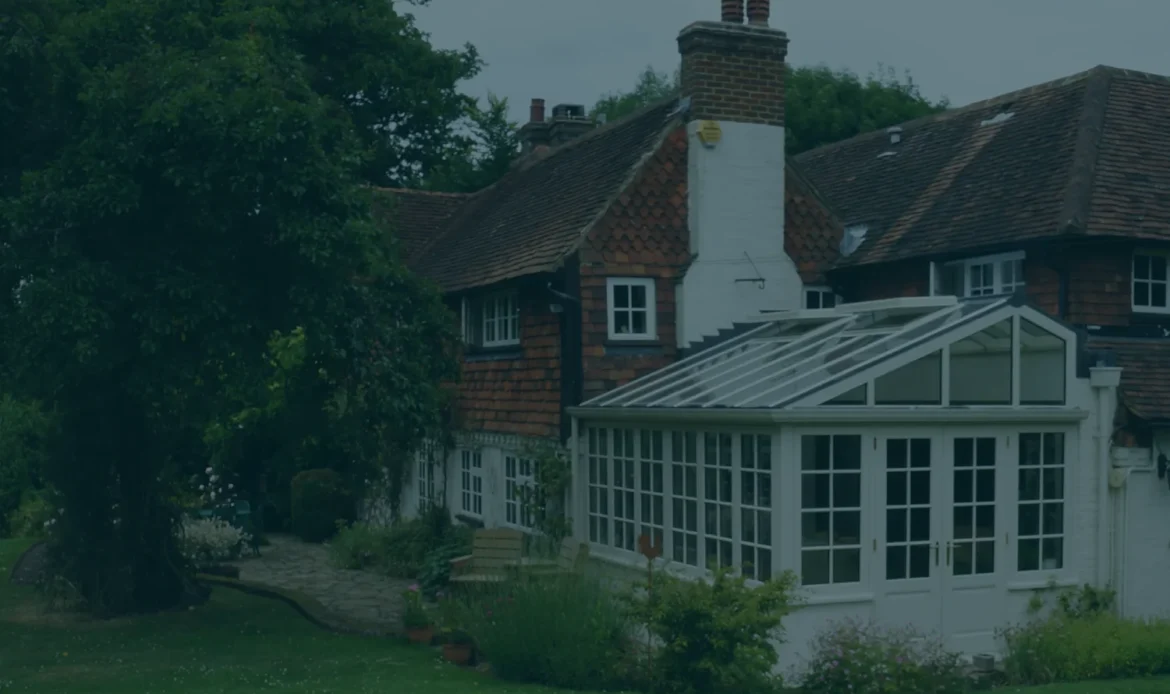
Planning a bespoke orangery extension can feel daunting, but a clear, step-by-step construction process turns it into an exciting home upgrade. In the UK, homeowners increasingly prefer brick and glass structures over basic conservatories. Specifically, they offer superior insulation, greater architectural character, and a stronger connection to the garden.
Every successful project begins with a clear vision. First, decide whether you want an open-plan kitchen, a bright family room, or a dedicated dining space. You should also consider how many people will use the room and how it will link to your existing layout.
Additionally, set a budget range and list key features like architectural roof lanterns or bi-fold doors. A specialist like Farrow & Jones can then shape a tailored design that meets your expectations.
Next, a detailed site survey is essential. The design team will measure your existing walls, garden levels, and boundaries while assessing drainage and access. Consequently, these measurements allow for accurate concept drawings that show how the new structure will attach to your property.
You will then review elevations and floor plans. This stage allows you to choose between different orangery roof lantern sizes and window configurations. Furthermore, you can fine-tune these details before any official permissions are sought.
In many UK cases, a modest build falls under permitted development rights. However, larger projects or homes in conservation areas may require full planning permission.
Regardless of the planning route, building regulations approval is mandatory. This ensures your bespoke orangery meets strict structural, insulation, and safety standards. Ultimately, these approvals are vital for year-round comfort and future resale value.
Once approvals are granted, the on-site work begins with groundworks. Builders excavate trenches, pour concrete foundations, and adjust drainage. Because foundations are critical for long-term stability, this stage is handled with extreme precision. At this point, services for heating, electrics, and water are also integrated into the footprint.
With the foundations complete, the masonry walls are constructed. Brick or stone is typically chosen to match your existing house, ensuring the addition feels natural. Subsequently, structural openings are formed using steelwork to create wide, open-plan connections between the old and new spaces.
The roof is then installed, combining a solid perimeter with one or more high-performance glazed lanterns. This combination helps keep your living space comfortable during every UK season.
Next, the windows and doors are fitted. Many homeowners opt for slim-frame aluminium bi-folds for a contemporary look, or timber French doors for a traditional feel. Once the structure is weather-tight, external detailing—such as gutters and cornices—is completed. As a result, the exterior now reflects a finished, premium extension.
Finally, the interior trades complete the insulation, plastering, and plumbing. Underfloor heating, lighting, and kitchen units are installed to turn the structure into a functioning room. After a final inspection and cleaning, your new space is ready to enjoy.
Ultimately, working with a UK specialist ensures every stage is managed with care, providing you with a luxury extension that transforms your lifestyle.