Built for living , loved for a lifetime.
About Us

Lorem Ipsum is simply dummy text of the printing and typesetting industry.
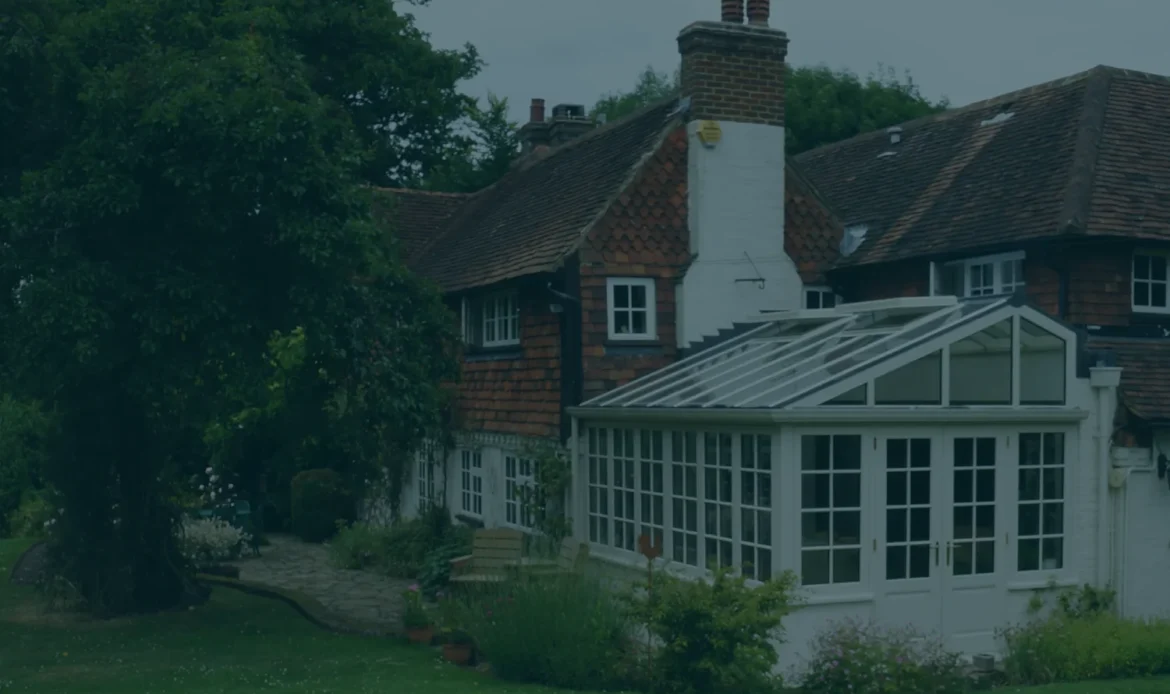
When a kitchen extension is done well, it changes far more than the footprint of a house. It alters how the morning begins, how family life gathers, and how the garden becomes part of everyday living. For homeowners searching for luxury kitchen extension designers in Leamington Spa, the real question is not simply who can add space, but who can create a room that feels as though it always belonged there.
In a town known for elegant period homes, handsome villas and well-proportioned family properties, that distinction matters. A luxury kitchen extension should respect the character of the original building while introducing the light, flow and practical ease that modern life demands. The best schemes do not shout. They settle naturally into the architecture and quietly improve everything around them.
At the upper end of the market, design is only part of the story. Homeowners are not looking for a standard rear addition with a new set of doors. They are investing in a fully resolved living space – one that balances architecture, interior design, structural performance and day-to-day use.
That means the designer must think beyond drawings. They need to understand how natural light moves through the property, how ceiling heights affect atmosphere, how sightlines connect the kitchen to dining and garden areas, and how joinery, glazing and flooring come together to create a calm, coherent finish. In period homes especially, proportion matters just as much as square metres.
It also means knowing where restraint is the better choice. A larger extension is not always the better one. In some homes, pushing too far into the garden can compromise light to the original rear rooms or upset the balance of the plot. In others, a carefully judged orangery-style extension or glazed link will offer more elegance than a broad open-plan box.
The most successful luxury kitchen extensions begin with lifestyle rather than fashion. A family that cooks every evening, entertains at weekends and needs discreet storage will use the space differently from a couple seeking a quieter, more architectural room centred on garden views and refined materials.
That is why good design conversations go deeper than finishes and appliance wish lists. They examine how the household moves through the day. Where do coats and bags land? Is the kitchen for sociable cooking or professional-grade performance? Should the dining area feel formal, relaxed, or flexible enough for both? Does the room need to work equally well on a dark January afternoon and a bright summer evening?
These answers shape the plan. They influence whether a central island is the heart of the room, whether a pantry should sit behind the main kitchen wall, and whether the extension needs a dedicated seating area rather than forcing every function into a single open space. Luxury is often found in this level of thoughtfulness – in rooms that feel beautifully composed because they have been designed around real habits.
Leamington Spa presents its own design opportunities and constraints. Many properties have strong architectural identity, from Regency homes with refined detailing to later detached houses with generous gardens. That variety calls for a tailored response rather than a one-size-fits-all extension formula.
For period properties, the challenge is often integration. The extension should enhance the home without weakening its heritage character. Materials, glazing proportions, roof design and interior detailing all need careful handling. A painted hardwood structure, for instance, can sit comfortably alongside traditional architecture while still delivering a bright, contemporary room.
For more modern houses, the opportunity may be different. Here, the extension can bring warmth, texture and a stronger sense of permanence to what may currently be a serviceable but uninspiring rear elevation. The aim is not to copy the original house exactly, but to elevate it with a better relationship between architecture and interior living.
There is a noticeable difference between a space that looks impressive in photographs and one that feels exceptional in person. Craftsmanship is usually the dividing line.
Fine joinery, well-resolved roof details, carefully specified glazing and beautifully finished timber all contribute to that sense of quality. So do the less visible elements – structural calculations that allow cleaner spans, thermal detailing that improves comfort year-round, and manufacturing drawings that ensure components fit precisely on site.
This matters because the kitchen is the most used room in many homes. Every sightline, junction and surface is experienced daily. Luxury, in this context, is not about excess. It is about permanence, calm and the confidence that every element has been designed to last.
Choosing a designer for this kind of project is rarely about a single sketch. It is about trust in the entire process. High-value home improvements involve planning considerations, technical coordination, interior decisions and significant investment. Many homeowners are less concerned by the design ambition than by the prospect of managing multiple consultants and trades.
A fully managed design-and-build approach can remove much of that complexity. When consultation, visualisation, planning support, manufacturing drawings, structural input and installation sit under one umbrella, the project tends to be more coherent. Decisions are made with the whole scheme in mind rather than in isolation.
There are practical advantages too. Early technical input helps avoid attractive concepts that become compromised later. Materials can be specified with installation realities in mind. Timelines become clearer, and responsibility is easier to track. For clients who value a polished result and a better experience getting there, this level of integration is often what makes a project feel achievable.
One of the most common ambitions for a kitchen extension is more natural light, but light must be handled intelligently. Too much overhead glazing can create glare in summer and a flat, overexposed feeling at midday. Too little can leave the heart of the room dependent on artificial lighting for much of the year.
The answer lies in balance. Roof lanterns, slim framed doors, carefully placed windows and solid wall sections each have a role. The right combination depends on orientation, garden privacy and the character of the house. South-facing plots may need more shading and material warmth, while north-facing extensions often benefit from overhead light and pale, reflective finishes.
A well-designed room should feel bright without feeling exposed. It should connect to the garden while still offering intimacy in the evening. This is where experienced designers make a visible difference. They understand that atmosphere is created by contrast as much as openness.
A luxury extension should improve a home financially as well as emotionally, but value comes from quality and coherence, not simply size. Buyers and homeowners alike recognise when an extension feels like a natural continuation of the property rather than an obvious add-on.
That is why materials and detailing deserve serious attention. Bespoke joinery, heritage-informed timber construction, elegant glazing and a well-considered kitchen layout all contribute to the sense of a finished architectural whole. Equally, practical details such as storage, acoustics, heating performance and lighting control affect how the room functions over time.
There are trade-offs, of course. The most ambitious schemes often require greater upfront planning and a more exacting design process. Planning approval may take longer for sensitive homes, and bespoke elements demand patience. Yet these are usually the very decisions that distinguish a truly lasting extension from one that dates quickly.
Before moving ahead, it is worth looking beyond portfolios alone. Beautiful images matter, but so does evidence of process. Ask how the design will be developed, who will handle planning and technical information, and how the final finish is protected throughout delivery. A premium result depends on more than creative flair.
You should also look for clarity in how a company talks about materials, craftsmanship and project management. Precision here is a good sign. So is a willingness to discuss what may not be advisable for your property. The right designer will not simply say yes to every idea. They will refine, challenge and improve the brief.
For discerning homeowners, that is often the true mark of quality. Not just a beautiful concept, but a trusted partner who understands architecture, respects the home and delivers a space built for living, loved for a lifetime.
If you are considering a kitchen extension in Leamington Spa, aim higher than extra square footage. The best rooms do more than expand the house – they give daily life a more generous setting, with light, craftsmanship and quiet confidence in every detail.