Built for living , loved for a lifetime.
About Us

Lorem Ipsum is simply dummy text of the printing and typesetting industry.
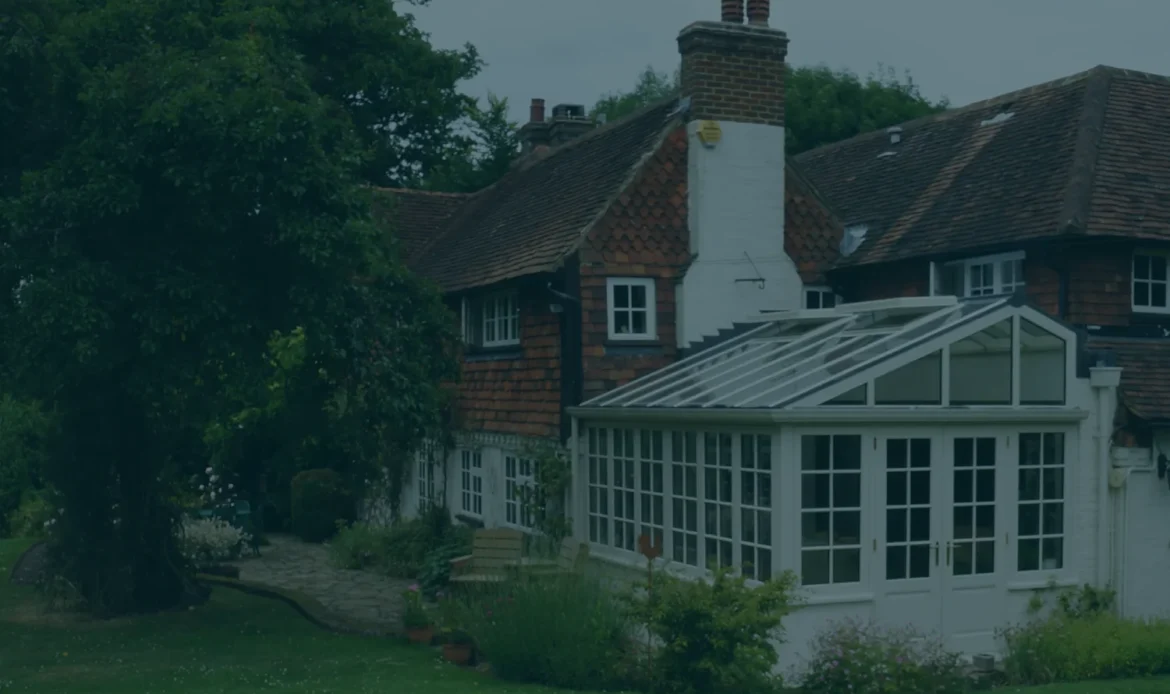
A room can be generous in size and still feel underwhelming if the light is wrong. Equally, a modest space can feel calm, expansive and beautifully liveable when daylight is handled with care. If you are considering how to add natural light, the answer is rarely one dramatic gesture alone. More often, it comes from a well-composed combination of layout, glazing, proportion, materials and finish.
In period houses especially, light is often trapped by a sequence of smaller rooms, low openings and rear elevations that were never designed for modern family living. In contemporary homes, the challenge can be different – large spaces that technically have glazing, yet still feel oddly dim because daylight is not reaching where life actually happens. A successful solution starts by looking beyond windows as isolated products and instead treating light as part of the architecture.
Before thinking about roof lanterns, glazed doors or larger panes, it is worth asking a more fundamental question: where does daylight stop? In many homes, the issue is not a lack of glazing at the perimeter but the way walls, corridors and poorly planned extensions interrupt its path.
Opening up a rear elevation can transform a kitchen-dining room, but the greatest improvement often comes when that new opening is paired with a more intelligent internal arrangement. Borrowed views, wider sightlines and a clearer connection between kitchen, dining and living areas allow daylight to travel much further into the plan. This is where design discipline matters. Removing structure indiscriminately can leave a space feeling vast but characterless. The aim is not simply more openness, but better orientation and flow.
For homeowners extending a period property, this balance is particularly important. The best schemes respect the original house while making it work harder for modern living. A carefully designed orangery or garden room can brighten the rear of the house without making the transition from old to new feel abrupt.
There is a temptation to assume that the answer to every dark interior is more glass. Sometimes it is. Sometimes it is not. Poorly considered glazing can create glare, overheating and uncomfortable contrasts between very bright and very shaded areas.
The most effective way to add natural light is to think about where it enters, how it moves through the room and what it lands on. Tall glazed doors and windows draw light deep into the space at eye level and connect beautifully with the garden. Roof glazing, meanwhile, introduces daylight from above, which can be particularly valuable in the centre of a plan where side windows cannot help.
A roof lantern often works best when you want to create a sense of height and ceremony over a dining table, kitchen island or family seating area. It delivers changing light throughout the day and can make a new extension feel more architectural. Large fixed glazing can be just as powerful on a rear wall, especially when proportions are carefully judged to suit the house.
What matters is coherence. Frames should feel integral to the architecture, not visually heavy or stylistically disconnected. Painted timber is especially effective here because it offers crisp detailing, warmth and a level of refinement that sits comfortably in both heritage and contemporary settings. In the right colour, it can either stand in elegant contrast to masonry or recede softly to let the garden and sky take prominence.
When clients ask how to add natural light to the darkest part of a home, the roof is often where the real opportunity lies. Single-storey rear extensions can easily leave the middle of the house starved of daylight unless overhead glazing has been considered from the outset.
A roof lantern introduces top light in a more sculptural way than a simple rooflight. It suits homes where architectural presence matters as much as brightness, and it can make an everyday kitchen feel composed rather than purely functional. In older properties, this sense of formality can be especially valuable because it bridges the character of the existing house with the openness expected in a modern extension.
Rooflights can be an excellent choice too, particularly where a cleaner, more understated roofline is preferred. The decision depends on the architecture, orientation and the atmosphere you want the room to have. South-facing overhead glazing brings abundant light, but that may need managing with solar control glass, ventilation and thoughtful shading. North-facing light is cooler and more even, which many designers value for its softness.
A glazed extension or orangery offers a broader solution. Rather than adding light at a single point, it changes the relationship between house and garden altogether. Done well, it becomes a room with presence and permanence – one that feels grounded, insulated and useful in every season, rather than bright but insubstantial.
Even beautifully designed glazing can underperform if the rest of the interior absorbs light unnecessarily. This does not mean every surface should be pale, but it does mean finishes should be chosen with daylight in mind.
Painted timber cabinetry, wall colours and joinery have a significant influence on how bright a room feels. Mid-tones and softer off-whites can often work better than stark brilliant whites, which may feel harsh in direct sun and dull on grey days. A carefully selected painted finish gives depth, softness and consistency across the room, helping natural light bounce without becoming clinical.
Texture matters as well. Honed stone, satin-painted cabinetry, limewashed walls and natural flooring can all reflect light in gentler, more flattering ways than highly polished surfaces. This is particularly relevant in family kitchens and open-plan rooms, where the goal is not simply brightness but comfort.
There is also a practical consideration. Premium factory-applied finishes on painted timber offer durability as well as beauty, which matters in rooms exposed to strong sun, changing temperatures and everyday use. Light should enhance a space for years, not reveal every weakness in the material palette.
Natural light is never just illumination. It is bound up with outlook, season and the sense of being connected to something beyond the room. A well-designed opening does more than brighten the interior – it captures garden views, mature planting, sky movement and shifting weather.
This is why proportions are so important. A wide expanse of glazing can be wonderful, but without the right framing it may feel anonymous. More articulated glazed elevations, with carefully considered sightlines and painted timber sections, often create a richer effect. They guide the eye, give the room rhythm and make the view feel intentional.
For homes overlooking established gardens, this can be transformative. Greenery reflects light back into the room, softens strong sunshine and adds depth even in winter. The best spaces feel as though they borrow atmosphere from outdoors rather than simply looking at it.
Every design decision comes with trade-offs. More light should not mean less privacy, too much solar gain or a room that feels exposed after dark. This is where tailored design proves its worth.
Orientation is critical. East-facing rooms enjoy lovely morning light but may feel flatter later in the day. West-facing spaces can be glorious in the evening, though they may need measures to temper heat and glare in summer. South-facing extensions are often highly desirable, yet they benefit from carefully specified glazing and ventilation. North-facing rooms may need a different approach, with larger openings or overhead light used to maintain brightness.
Privacy can be handled subtly through landscaping, glazing configuration and internal zoning. Likewise, thermal comfort depends on more than the glass itself. Structural detailing, roof design and the quality of installation all shape how pleasant a room feels across the seasons.
This is why the most successful light-filled spaces are rarely the result of a product decision alone. They come from an integrated process in which architecture, joinery, structure and finish are considered together.
When natural light has been introduced well, it does not feel like an add-on. The room simply seems to make sense. Breakfast is brighter, the garden feels closer, and the house supports a more relaxed pattern of living.
For those investing in a meaningful home transformation, that should be the benchmark. Not just a brighter room, but a beautifully resolved one – where glazing, painted timber, proportion and craftsmanship work together in a way that feels enduring. If you are deciding how to add natural light, begin with the life you want to lead in the space. The architecture should then follow with quiet confidence.