Built for living , loved for a lifetime.
About Us

Lorem Ipsum is simply dummy text of the printing and typesetting industry.
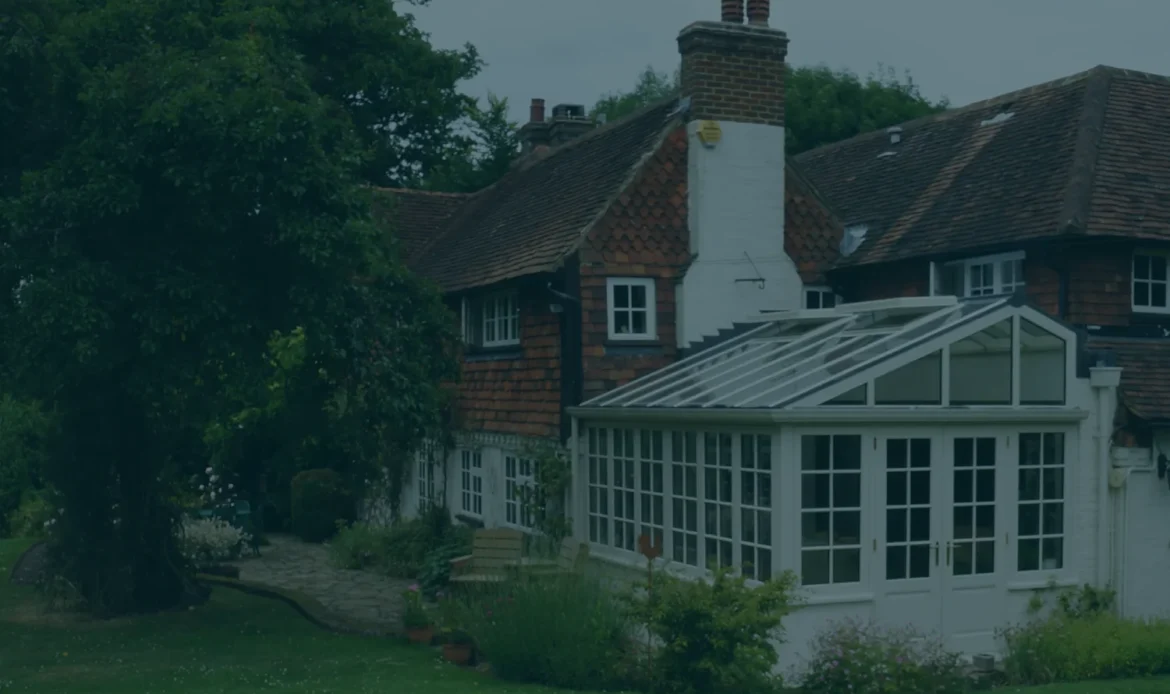
Investing in a high-end home extension is an architectural statement that enhances both your lifestyle and your property’s value. This complete guide to luxury conservatoires and orangeries will help you navigate the nuances between these two classic British structures. By understanding the differences in design, materials, and thermal performance, you can ensure your new space becomes a seamless, year-round sanctuary.
The primary distinction between these two structures lies in their construction and the proportion of glass used. Specifically, a conservatory features a fully glazed roof and high-intensity glass walls, offering a “glass house” feel. In contrast, an orangery is a more substantial building characterized by solid masonry pillars and a central roof lantern.
Consequently, orangeries often feel like a natural continuation of the main house. Because they have more solid wall space, they provide superior insulation and privacy. Ultimately, choosing between them depends on whether you desire a bright, airy garden room or a robust, multipurpose living area.
For a truly premium finish, material selection is paramount. While mass-market extensions often use uPVC, this complete guide to luxury conservatoires and orangeries recommends sustainably sourced hardwoods like Oak or Sapele. Furthermore, timber offers a level of structural integrity and aesthetic warmth that synthetic materials simply cannot replicate.
As a result of using high-quality timber, your extension will age gracefully and maintain its thermal efficiency. When paired with solar-control glazing, a hardwood structure stays cool in the summer and retains heat during the winter, making it a functional space 365 days a year.
Modern homeowners are no longer using these spaces as simple sunrooms. Instead, they are integrating them into the core of the home.
Kitchen Extensions: Creating an open-plan culinary hub flooded with natural light.
Garden Offices: Providing a tranquil, inspiring workspace away from the main household noise.
Dining Rooms: Designing a sophisticated venue for evening dinner parties under the stars.
In many cases, a bespoke hardwood project can be built under UK Permitted Development rights. However, if you own a listed building or live in a conservation area, you will likely require full planning permission.
Indeed, navigating these legalities is where an expert partner is essential. At Farrow & Jones, we manage the entire planning process on your behalf, ensuring that your investment meets all structural and safety standards while respecting local architectural heritage.
With over 30 years of experience, Farrow & Jones remains a leader in the UK market for custom timber extensions. In fact, we manage every stage of the process—from the initial hand-drawn sketch to the final installation. We do not use subcontractors; our own artisans handle every detail to ensure the highest level of precision.
Are you ready to transform your home? Contact us for a free design consultation today and let us bring your vision of a luxury glass extension to life.