Built for living , loved for a lifetime.
About Us

Lorem Ipsum is simply dummy text of the printing and typesetting industry.
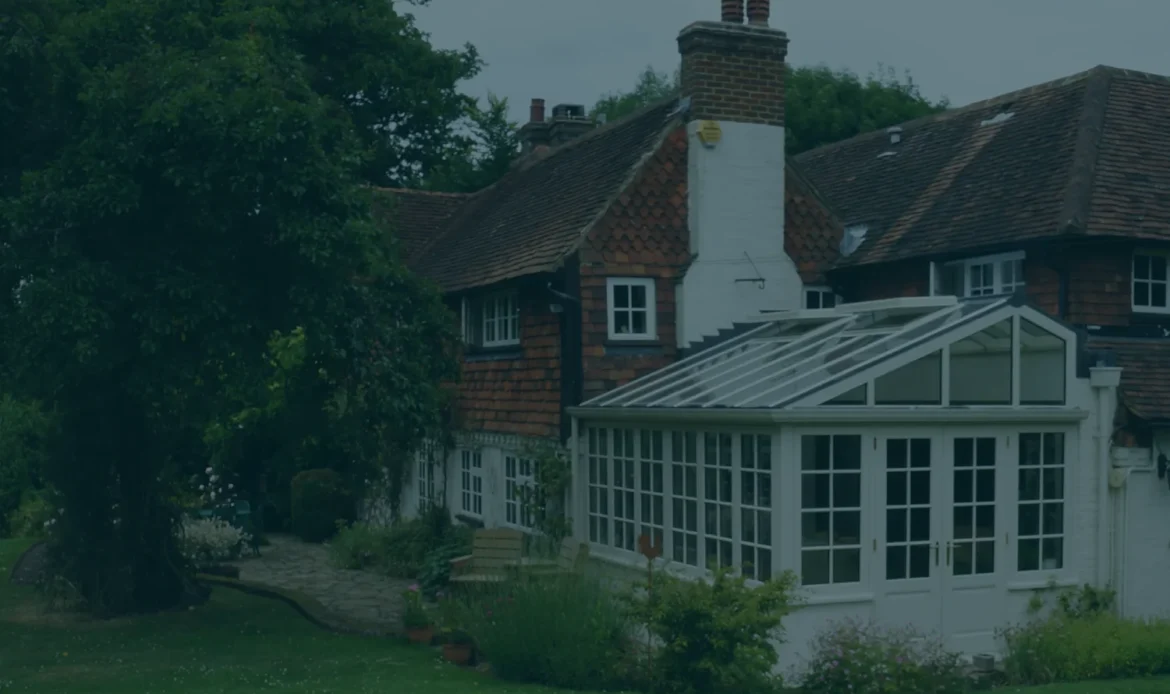
Oxford houses ask more of an extension than most. A new room must sit comfortably beside mellow brick, stone detailing and mature gardens, while still earning its place in modern family life. That is why hardwood timber conservatories Oxford homeowners commission tend to succeed or fail on one thing above all – whether they feel genuinely integrated, not simply added on.
A well-designed conservatory can change the rhythm of a house. It can pull daylight deep into a kitchen, create a more generous setting for entertaining, or become the room everyone drifts towards from early coffee to late supper. Yet the best examples are never just about more glass. They depend on proportion, materials, structure and a clear understanding of how the space will be lived in through every season.
Oxford and the surrounding villages contain an unusually broad mix of architecture. There are Georgian townhouses, Arts and Crafts homes, Victorian villas, listed cottages and carefully detailed contemporary properties. A conservatory needs enough character to complement those settings, but enough discipline not to overpower them.
This is where painted timber remains such an intelligent choice. It has visual depth and refinement, particularly around glazing bars, eaves details and doors, that slimmer, less substantial materials often struggle to achieve. More importantly, it can be designed with architectural sensitivity. On a period house, painted timber can echo existing sash proportions, masonry openings and roof lines. On a newer home, it can be simplified into something quieter and more contemporary.
There is also a practical reason premium homeowners continue to favour hardwood structures. External rooms live with full exposure to British weather. They expand, contract, collect heat and shed water. Sapele hardwood, when properly engineered and factory-finished in a multi-coat painted system, offers the structural stability and durability needed for that environment. The painted finish is not merely aesthetic. It is part of the performance of the building.
The phrase conservatory still causes some homeowners to picture a lightweight add-on. That perception is understandable, but it misses what a properly conceived structure can be. At the higher end of the market, a conservatory is closer to a bespoke architectural extension with a high ratio of glazing than a secondary garden room.
That distinction matters because the decisions should be architectural from the outset. How will the new structure relate to the main elevation? Will the roof pitch feel settled beside the existing house? Should the room project confidently into the garden or remain subservient to the original building? These questions affect not only appearance, but also planning, internal flow and how successful the room feels over time.
In Oxfordshire particularly, context often deserves careful reading. Tree cover, neighbouring sightlines and conservation considerations can all shape the brief. A conservatory that appears elegant on a sketch may need significant adjustment once orientation, privacy and planning constraints are understood.
Clients often begin with a simple ambition: more light. It is a good instinct, but light on its own does not make a room comfortable. The real test is whether the space is pleasant at nine on a January morning, at midday in July and on a rainy Sunday when the garden disappears into grey.
That is why glazing design, ventilation strategy and thermal performance deserve as much attention as aesthetics. Too much overhead glass can create glare and overheating. Too little solid perimeter structure can make the room feel exposed rather than calm. Door positions matter as well. If every route cuts through the middle of the room, furniture planning quickly becomes compromised.
A successful conservatory is therefore balanced rather than maximal. It uses glass generously, but not indiscriminately. It borrows light without giving up comfort. In many homes, the answer is not the largest possible glazed footprint, but the most carefully composed one.
One of the pleasures of painted timber is its ability to feel truly tailored to the house. Colour plays a larger role here than many people expect. Soft off-whites can sharpen classical detailing. Muted greens, greys and stone tones can help a structure settle into a garden setting. Darker painted finishes can be striking on contemporary homes, provided the overall massing is well judged.
For discerning homeowners, this is often where the project begins to feel personal. The conservatory is no longer a standard product placed on the rear elevation. It becomes part of the home’s wider design language, sitting comfortably alongside joinery, flooring, cabinetry and the palette used throughout the interior.
That said, colour must be supported by a finishing system worthy of the investment. A factory-applied, multi-coat Teknos finish gives painted timber the long-term weather protection and crisp appearance expected of a premium build. It also provides the consistency that is difficult to achieve when finishing is treated as an afterthought.
Oxford homeowners are often rightly alert to planning complexity. Some properties sit within conservation areas, others are listed, and many have architectural features worth protecting even where no formal designation applies. A conservatory may seem modest compared with a large extension, but that does not mean approvals and technical validation can be taken lightly.
Early design work should account for planning policy, structural requirements and energy performance at the same time. Leaving those matters until after a concept has been approved internally can lead to compromise later. Roof forms may need to change, doors may move, or supporting elements may become heavier than first imagined.
This is also why fragmented procurement can become frustrating. When design, joinery manufacture, structural input and installation are handled separately, responsibility has a habit of blurring just when decisions become most important. A fully managed approach tends to give homeowners clearer answers and a more coherent result, especially where the project connects to kitchens, landscaping or wider alterations.
Luxury is often discussed in terms of visual impact, but in a conservatory it is usually the quieter details that define the result. The meeting lines must be precise. Sightlines should feel calm and intentional. Doors should close with weight and confidence. The junction between the old house and the new structure must appear resolved, not disguised.
Inside, the room should feel settled enough to furnish like any other principal space. If it only works with minimal furniture or fair weather use, something has been lost in the design. The best conservatories support real living – family breakfasts, reading chairs, long lunches, children doing homework at the table, guests lingering after dinner.
This is where turnkey delivery has genuine value. A room can only feel complete when electrics, flooring, heating, joinery, decoration and final finishes have all been thought through together. Homeowners investing at this level are not looking for a structure that is almost done. They want a room ready to inhabit properly.
Selecting a conservatory specialist should involve more than comparing styles. Ask how the structure is engineered, how the painted finish is applied, who resolves planning and technical drawings, and who coordinates the many trades that shape the final experience. Good answers here usually say more about likely success than a polished gallery of completed rooms.
It is also worth asking how bespoke the design process really is. Some firms offer a limited family of formats dressed up as custom work. Others begin with the house, the garden and the client’s way of living, then develop a solution around those specifics. For complex homes and high expectations, that difference is considerable.
Farrow & Jones approaches painted timber conservatories in exactly that spirit – as tailored architectural spaces with craftsmanship, structural integrity and daily comfort given equal importance. For homeowners in Oxford and across the surrounding counties, that level of care is often what turns a bright addition into a room the whole house revolves around.
The most rewarding conservatories do not chase attention. They feel as though they were always meant to be there, bringing light, composure and a stronger connection to the garden without disturbing the character that made the house worth loving in the first place.