Built for living , loved for a lifetime.
About Us

Lorem Ipsum is simply dummy text of the printing and typesetting industry.
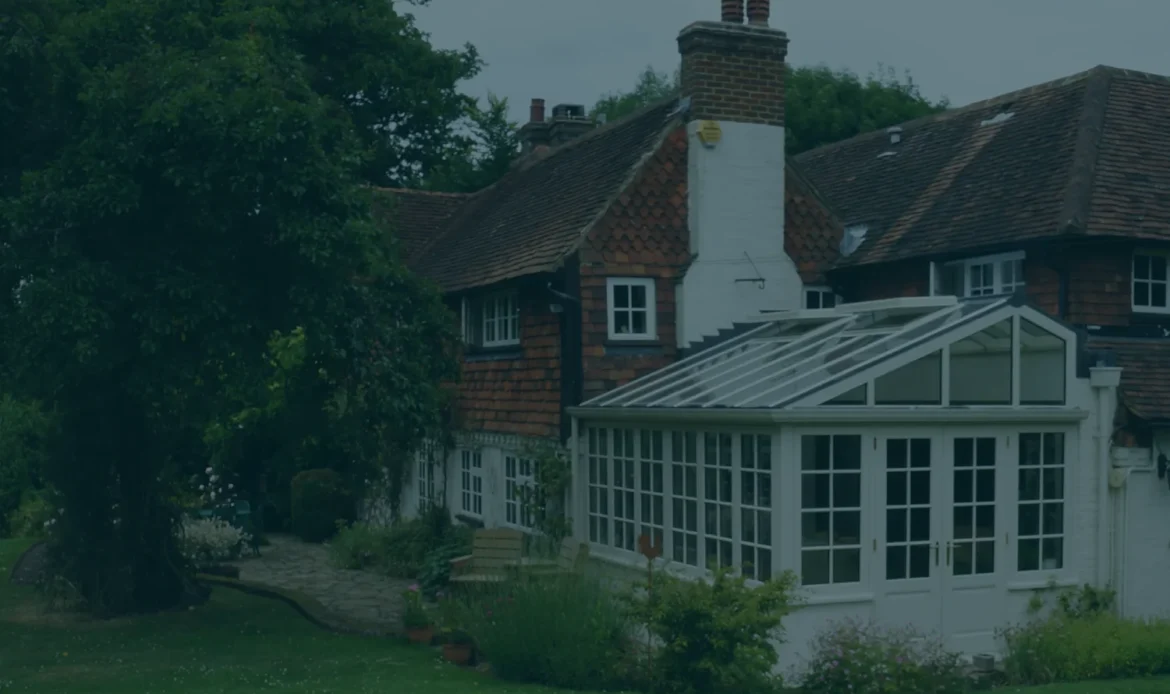
If you are researching 10 traditional orangery builders Thame homeowners might reasonably consider, the real question is not who can erect a structure. It is who can design a room that belongs to your house, improves the way you live, and still feels right in ten or twenty years. In a market where many firms can show attractive imagery, the difference lies in architectural judgement, material quality and how carefully the whole process is managed.
A traditional orangery asks more of a builder than a standard glazed extension. It must sit comfortably against the original architecture, balance masonry with glazing, bring in generous natural light and feel substantial through every season. In a place such as Thame, where period character and well-kept family homes often shape the street scene, that sensitivity matters.
The strongest traditional orangery builders in Thame tend to share one quality – they understand that an orangery is part architecture, part joinery and part lifestyle planning. It is not simply a glazed room attached to the rear elevation. Done properly, it should reconnect kitchen, garden and day-to-day family life while adding real composure to the property.
Start with design fluency. A capable specialist should be able to discuss proportions, roof lantern scale, glazing rhythm, internal ceiling detail and how the orangery will relate to the existing house. If the conversation begins and ends with dimensions and price, that is usually a warning sign. Traditional work needs restraint as much as ambition.
Material specification is equally important. Premium painted timber remains the benchmark for heritage-led orangeries because it offers the crisp profiling, depth and longevity required for this style of architecture. Painted Sapele hardwood, in particular, brings stability and weather resistance while allowing for the refined painted finish many homeowners want for a more tailored exterior. The finish itself matters too. Factory-applied, multi-coat systems provide a level of consistency and durability that is difficult to replicate on site.
Then there is the matter of delivery. The best firms are not merely joinery workshops or installers. They can manage design development, technical drawings, structural thinking, planning support where required, manufacturing and installation with proper oversight. A beautiful concept can be undermined quickly if the interfaces between builder, glazing, roofing and interior works are poorly coordinated.
Many clients begin their search with style in mind, which is understandable. They may be drawn to elegant lantern roofs, slim glazing bars, classic cornicing or a painted finish that complements the house perfectly. Yet the success of an orangery is usually decided by less visible choices.
One is how the new room handles light. Too much roof glazing without enough structure can make the extension feel exposed rather than composed. Too little can leave it heavy and dim. Traditional orangery design is about balance – a sense of solidity from the perimeter construction, with a central glazed lantern used to draw daylight deep into the plan.
Another is thermal performance and year-round comfort. A room that looks impressive in photographs but overheats in summer or feels underwhelming in winter will never become the heart of the home. Builders worth considering should be comfortable discussing specification, ventilation, solar gain and how the orangery connects to the rest of the house both visually and practically.
Finally, there is workmanship at close range. In premium spaces, people notice the line of a glazing bead, the junction between masonry and joinery, the finish on a door set and the consistency of paintwork. Traditional design does not hide poor execution. It reveals it.
When comparing 10 traditional orangery builders Thame buyers may have on a shortlist, it helps to look beyond broad claims such as bespoke, heritage or luxury. Those words are easy to use. Evidence is harder to fake.
Ask to see projects that resemble your own property in scale and architectural style. A builder may produce fine work on a large detached country house but have less experience integrating an orangery into a Georgian townhouse, a Victorian villa or a carefully updated market-town home. Context matters.
Look closely at whether their portfolio shows consistency rather than one or two standout schemes. It is also worth asking how much of the design is genuinely tailored and how much follows a standard template. There is nothing wrong with proven details, but a traditional orangery should still respond specifically to the house, the aspect and the way you intend to use the room.
This is where a design-and-build specialist often has an advantage. When architectural thinking, manufacturing knowledge and project coordination sit under one umbrella, decisions tend to be better resolved. That does not mean every single trade is in-house. It means someone experienced is orchestrating the process to a clear standard, from first concept through to final decoration and finishing details.
For homeowners investing at the upper end of the market, this level of management is not a luxury. It is what protects the result.
The right conversations early on can save months of frustration later. Ask who develops the initial concept and whether you will receive visual material that helps you understand massing, roof form and sightlines from inside the house. A traditional orangery affects more than the footprint outside – it changes how existing rooms feel and connect.
Ask how the company approaches planning and technical approvals. In parts of Oxfordshire and nearby market towns, local character can influence what is likely to be supported. A builder with experience in heritage-sensitive environments should be able to advise on what tends to work and where compromises may be sensible.
It is also useful to ask what is included in the scope of service. Some firms stop at supply and installation, leaving you to coordinate builders, decorators and finishing trades. Others offer a more fully managed route. Neither is automatically right or wrong, but they suit very different clients. If you want one accountable team guiding the project to a fully resolved finish, that should be established from the outset.
And ask about aftercare. Well-made painted timber structures are built for longevity, but any serious investment deserves thoughtful support after completion. Confidence should extend beyond handover.
There is a reason traditional orangeries continue to appeal, even in houses that have been reworked for contemporary living. They offer generosity without shouting for attention. The masonry piers, lantern roof and disciplined glazing give the room a settled quality that many all-glass extensions struggle to achieve.
That sense of permanence is especially attractive for homeowners who want to open up the rear of the property without losing its architectural identity. A good orangery can create a brighter kitchen-living space, a refined garden room or a more elegant setting for entertaining, all while feeling rooted in the language of the original house.
This is also why detailing should never be treated as cosmetic. The right cornice line, the right door proportions, the right painted finish and the right relationship between structure and glass all contribute to whether the room feels genuinely integrated. These are small decisions individually, but together they shape the whole experience of the space.
For clients seeking a higher level of design stewardship, Farrow & Jones represents the sort of approach worth looking for – heritage-led, meticulously managed and centred on painted hardwood craftsmanship rather than off-the-shelf solutions.
Shortlisting builders is rarely about finding the most persuasive brochure or the fastest quote. It is about recognising who understands the architectural responsibility of adding to a well-loved home. The best traditional orangery builders earn trust not simply by building beautifully, but by asking the right questions, resolving complexity early and delivering a room that feels calm, coherent and built for daily life.
If your home in or around Thame deserves an orangery that looks as though it was always meant to be there, choose the team that talks as confidently about proportion, materials and project management as it does about appearance. The room you are creating should do more than add space. It should make the whole house feel more complete.