Built for living , loved for a lifetime.
About Us

Lorem Ipsum is simply dummy text of the printing and typesetting industry.
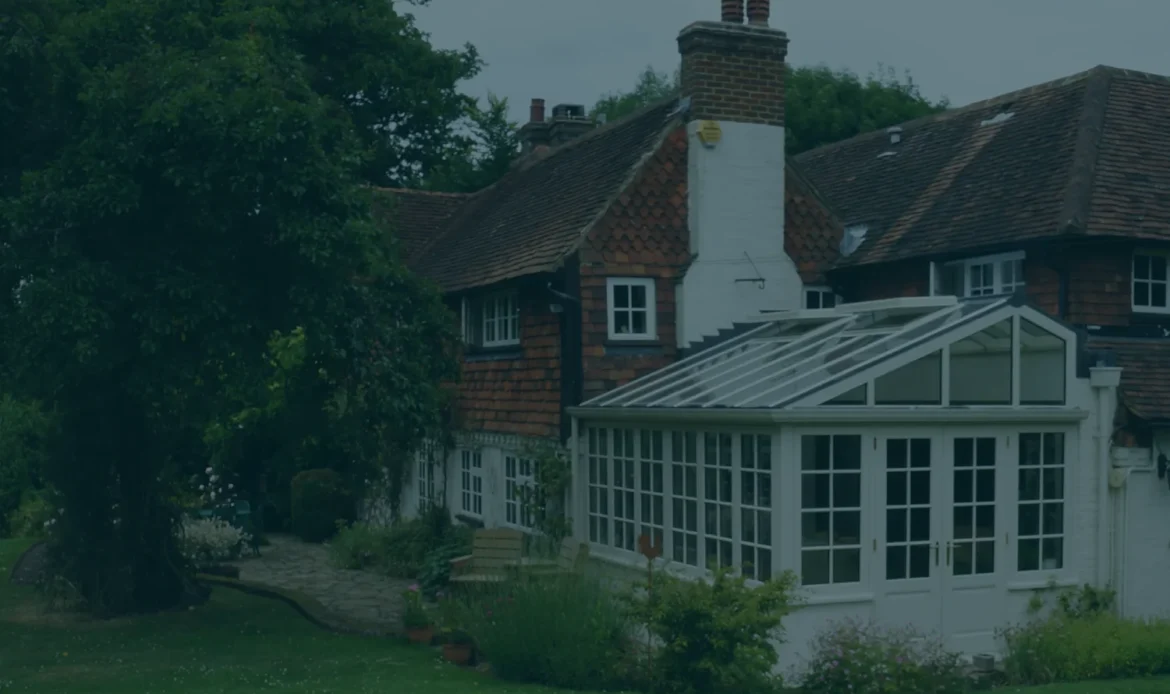
If you are weighing up hardwood orangery cost in Berkshire, the real question is rarely just the headline figure. It is whether the space will feel as though it truly belongs to your home – architecturally, practically and financially – for decades to come. In Berkshire, where elegant period properties sit alongside finely detailed contemporary homes, an orangery is often expected to do more than add square footage. It needs to improve the way the house lives.
That is why cost varies so widely. A bespoke painted timber orangery is not a standard extension with more glass. It is a carefully engineered room, one that combines joinery, structure, glazing, insulation, roofing detail and interior finish into a single considered addition. The price reflects that complexity, but also the permanence and quality of the result.
For most projects in Berkshire, cost is driven by a combination of scale, architectural detail, specification and how much of the overall journey is being professionally managed. A modest orangery attached to the rear of a house will sit in a different bracket from a large open-plan kitchen orangery designed to transform the ground floor.
Size matters, of course, but it is not the only factor. Two rooms with the same footprint can have very different budgets depending on roof design, glazing specification, site constraints and internal finishes. A simple rectangular footprint is more straightforward than a design with multiple elevations, bespoke roof lanterns or complex structural openings into the existing house.
In Berkshire, planning context also plays a part. Properties in conservation areas, homes with listed elements, and houses where the extension must respond sensitively to surrounding architecture often require more design development and technical input. That work is not incidental. It is what helps the finished orangery feel refined rather than added on.
As a broad guide, a bespoke painted timber orangery of premium quality will often begin from around £120,000 to £150,000 for a smaller and relatively straightforward project. Larger, more design-led schemes – particularly those incorporating kitchen remodelling, structural alterations and fully integrated interior works – can move comfortably beyond £200,000.
For substantial, high-specification projects in Berkshire, especially on larger homes where the orangery becomes the principal family living space, budgets may rise further. That is particularly true where the brief includes steelwork, underfloor heating, high-performance glazing, roof lanterns, bespoke joinery details, specialist lighting, and a fully finished interior delivered to a sofa-ready standard.
These figures are not arbitrary. They reflect the difference between a basic build and a properly executed architectural space. A luxury orangery is judged not just by how it looks on completion, but by how it performs through winter, how well it ages, and how naturally it connects to the rest of the home.
The phrase hardwood orangery cost often leads homeowners to compare materials first. That makes sense, but not all hardwood structures are equal, and not all painted finishes are created to the same standard.
For an external structure of this calibre, painted Sapele hardwood offers the strength, durability and stability required for long-term performance. It is particularly well suited to finely detailed joinery and elegant sightlines, while standing up to the demands of the British climate. When paired with a factory-applied, multi-coat Teknos finish, it also provides a far more dependable painted surface than site-applied alternatives.
That finish matters aesthetically as much as technically. In a Berkshire home where design coherence is everything, the orangery should sit comfortably alongside original brickwork, stone, render or painted joinery. The beauty of painted timber lies in that flexibility. It can feel quietly classical, crisply contemporary or somewhere in between, depending on the architecture and chosen palette.
A beautifully resolved orangery often looks effortless. In reality, much of its value sits in the design decisions that prevent it from feeling awkward or overblown.
The roof is a good example. An orangery roof typically combines solid perimeter sections with a central glazed lantern, creating a room that feels brighter and more architectural than a standard extension. But the proportions of that lantern, the depth of the roof build-up, the way cornices or fascias are handled, and the relationship between external elevation and internal ceiling line all influence both appearance and price.
Doors and glazing also shift the budget. Large-format glazing, slim painted timber frames, carefully positioned doors to terrace or garden, and the structural support required for wider openings can all add cost. Yet these are often the very features that determine whether the room feels generous, balanced and connected to the landscape.
Then there is the threshold between old and new. Opening up the existing house may require significant structural intervention, and that work is often underestimated at the start. Removing external walls, inserting steel, rerouting services and making good surrounding finishes can form a substantial part of the investment.
In Berkshire, many orangery projects are attached to houses with strong architectural identity – Georgian homes, Victorian villas, Arts and Crafts properties, and substantial detached family houses in established residential settings. That context raises the bar.
A generic design can look immediately out of place. By contrast, a bespoke orangery can borrow cues from the main house, whether through glazing pattern, moulding detail, brick plinth height, roof proportion or paint colour. This level of tailoring may increase design and manufacturing cost, but it tends to produce a far more convincing result and one that supports the long-term value of the property.
Site conditions can also influence budget in Berkshire. Access constraints, mature gardens, drainage considerations and the practicalities of building in well-established neighbourhoods all need to be accounted for early. A proper feasibility stage can save a great deal of frustration later.
When comparing proposals, one of the biggest mistakes is assuming every quote covers the same scope. It rarely does.
A lower figure may include the external structure but exclude key elements such as groundworks, planning support, structural calculations, electrical installation, flooring, decorating or final internal finishes. On paper, it can appear attractive. In practice, it may leave the homeowner coordinating multiple trades and carrying much more risk than expected.
A fully managed approach tends to cost more upfront because it accounts for the whole picture: concept design, technical development, planning and validation support, manufacturing, glazing, site works, specialist coordination and final finishing. For clients investing at this level, that is often where real value lies. It reduces fragmentation and helps protect the quality of the finished space.
A significant proportion of the budget sits behind the scenes. Foundations, insulation, steelwork, roof structure, glazing performance and joinery fabrication all matter more than they are visible. This is particularly true if the orangery is intended to become an everyday living space rather than a room used only in fair weather.
The visible elements matter too. Bespoke painted joinery, refined cornicing, elegant roof lantern detailing and carefully chosen colours all contribute to the sense of permanence. But the room only earns its place in the home when that beauty is backed by structural confidence and thermal comfort.
This is why a premium design-and-build process appeals to many Berkshire homeowners. Rather than juggling architect, builder, joinery company and multiple subcontractors independently, they want one team to orchestrate the process and take responsibility for the result.
That depends on what you want the extension to achieve. If the goal is simply to gain more enclosed space, there may be other ways to do it. But if you want to create a room that lifts the quality of daily life, frames the garden beautifully and enhances the architecture of the house, an orangery can be exceptional value.
It often becomes the place where family life settles – morning coffee, long lunches, homework at the table, evening entertaining, the quiet hour before the day begins. That emotional return is part of the calculation, even if it never appears on a spreadsheet.
There is also the property dimension. Well-designed, properly executed additions tend to support desirability in stronger markets, particularly when they improve layout and light rather than simply adding floor area. In design-conscious parts of Berkshire, that distinction matters.
The best starting point is honesty about priorities. If the orangery needs to house a new kitchen, accommodate dining and sitting zones, and open fully onto the garden, say so at the outset. If preserving the character of a period home matters more than maximising glazing, that should shape the brief too.
A realistic early budget allows the design to be developed intelligently rather than revised repeatedly to chase a figure that was never practical. It is also worth allowing contingency for elements uncovered once the existing building is opened up, particularly in older homes.
For clients seeking a tailored painted timber extension, the most productive conversations are usually about lifestyle, architecture and finish first, then budget in that context. That is where firms such as Farrow & Jones bring real value – not by treating the orangery as a product, but by designing and delivering a complete living space with craftsmanship and control.
The right orangery should not feel like an expensive add-on. It should feel as though the house was always waiting for it.