Built for living , loved for a lifetime.
About Us

Lorem Ipsum is simply dummy text of the printing and typesetting industry.
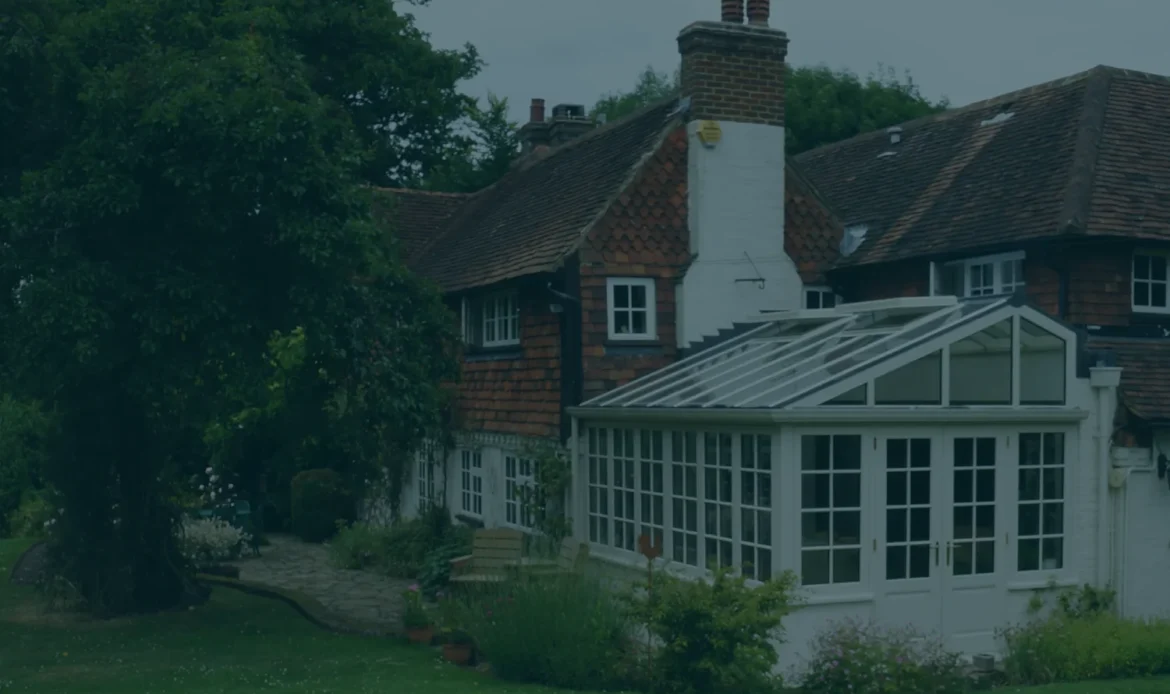
A well-designed conservatory should never feel like an add-on. In the finest homes around Towcester, it needs to sit naturally within the architecture, draw in light without sacrificing comfort, and feel every bit as considered as the rooms it connects to. That is why homeowners searching for premium hardwood conservatory designers Towcester are rarely looking for glazing alone – they are looking for proportion, permanence and a design partner who understands how to make a new space belong.
The difference shows immediately. A premium conservatory does more than extend the footprint of a house. It reshapes how the home is used, whether that means creating a bright garden-facing dining room, a more generous kitchen-living arrangement, or a calm place to read, entertain and slow the pace of the day. In period homes especially, the challenge is not simply adding space. It is preserving character while introducing a more open, light-filled way of living.
At the upper end of the market, conservatory design is as much architectural work as it is joinery. The best designers start by reading the house itself – its rooflines, brick tones, window proportions and relationship with the garden. That context matters in Towcester, where homes can range from handsome period properties to well-detailed contemporary residences, each needing a different response.
A premium approach avoids formula. Instead of forcing a standard shape onto a property, the structure is developed around how the room will be used and how it should look from every angle, inside and out. Ridge heights, glazing bars, sightlines and door positions all influence whether the finished room feels elegant or awkward.
Material choice matters just as much. For external architectural structures, painted Sapele hardwood offers the durability, weather resistance and structural integrity that discerning homeowners expect. It also allows for the refined detailing that gives a conservatory its lasting character. With a factory-applied, multi-coat Teknos finish, the result is not simply attractive on completion day, but designed to hold its appearance through the British seasons.
There is a reason painted timber conservatories continue to sit so comfortably beside distinguished British homes. The finish has depth, softness and architectural presence. It complements masonry, stone and traditional fenestration in a way that feels established rather than imposed.
That does not mean every painted conservatory should look traditional. In fact, one of the great strengths of painted timber is its versatility. Depending on the home, it can support classical detailing and heritage-inspired joinery, or take on a cleaner, more restrained profile for a contemporary extension. The key is choosing a designer who understands restraint. More glass is not always better. More ornament is not always better. Usually, the right answer lies in balance.
Colour deserves careful thought too. A painted finish should work with the house, not compete with it. Soft neutrals, chalky architectural tones and deeper heritage shades can all be highly successful when they are selected in relation to brickwork, roofing materials and interior palettes. The effect should feel composed from the garden and equally settled when viewed from the kitchen or main family room.
The most successful conservatories are shaped long before manufacturing begins. Early design conversations should cover not just appearance, but orientation, comfort and daily life. A south-facing structure, for example, will need a different glazing and ventilation strategy from one that receives softer northern light. Likewise, a room intended for year-round dining has different demands from a casual garden sitting room.
This is where experienced premium hardwood conservatory designers Towcester homeowners trust tend to distinguish themselves. They are thinking beyond the visual impression. They are considering solar gain, insulation, heating integration, access to the garden, drainage, structural support and how the new room links to the rest of the house.
There are also practical trade-offs to weigh. A fully glazed roof can create a beautiful sense of openness, but depending on orientation, a solid perimeter roof or orangery-style solution may offer a better balance of light and thermal comfort. Large expanses of glazing can be striking, yet framing proportions often need more discipline than clients first expect. Good design is not about saying yes to every idea. It is about refining the idea until it works.
For many homeowners, the real stress of a conservatory project is not choosing the style. It is coordinating the moving parts: planning considerations, structural calculations, manufacturing details, site preparation, specialist trades and final finishing. When these are handled separately, even a well-intentioned project can lose coherence.
A fully managed design-and-build approach offers something more reassuring. It brings concept design, 3D visualisation, technical drawing production, structural and energy calculations, planning support and installation management into one orchestrated process. That means decisions are made with the whole project in mind, rather than in isolation.
This level of oversight is particularly valuable in premium homes, where the conservatory often affects more than one room and may involve reworking thresholds, internal openings, flooring levels or kitchen layouts. The final quality depends on how well those elements are coordinated. A beautiful painted timber structure deserves equally careful treatment where it meets the existing house.
There is a tendency to speak about conservatories only in terms of brightness. Light matters, of course, but the real success of the room lies in how it supports living. The best spaces feel comfortable from breakfast through to evening drinks. They frame the garden in winter as beautifully as they open onto it in summer.
That may mean incorporating a dining zone with generous circulation around the table, or designing a garden room atmosphere that feels connected to a wider kitchen extension. In family homes, it often means creating a space that can adapt – elegant enough for entertaining, practical enough for everyday use, and calm enough to become the most sought-after room in the house.
This is why bespoke design has real value. Ceiling height, door arrangement, skirting details, ironmongery and even the way light moves across painted joinery all influence the mood of the room. When these decisions are made carefully, the finished space feels inevitable, as though the house had been waiting for it.
Towcester and the surrounding Northamptonshire villages offer a mix of architectural styles, and each calls for sensitivity. A Georgian or Victorian property may suit a conservatory with more formal symmetry and fine glazing bars, while a stone-built country home might benefit from a softer, more grounded design language. A newer property may require cleaner lines and more restraint to avoid a pastiche effect.
This is where local understanding becomes useful, not as a matter of repeating regional clichés, but as a way of respecting setting. Planners, neighbours and homeowners themselves tend to respond best to extensions that feel rooted in their context. A premium conservatory should enhance the standing of the house, not look detached from it.
A premium conservatory is not judged solely by the day it is installed. It is judged by how it performs and how it feels to live with over time. Joinery lines should remain crisp. Doors should feel substantial and properly balanced. Glazing details should be refined, not bulky. The painted finish should have depth and consistency, with the kind of quality that rewards close inspection.
Equally important is the handover. A truly turnkey project should leave the room ready to furnish and enjoy, not part-finished and dependent on a string of follow-on works. That standard of completion is what turns a construction project into a genuine home improvement.
For clients seeking that level of care, Farrow & Jones represents a particular kind of reassurance: painted Sapele hardwood conservatories designed with architectural discipline, delivered through rigorous project management, and finished to a sofa-ready standard that respects both the property and the people living in it.
The right conservatory changes more than the footprint of a home. It changes the rhythm of daily life – where morning light falls, where family gathers, and which room quietly becomes everyone’s favourite place to be.