Built for living , loved for a lifetime.
About Us

Lorem Ipsum is simply dummy text of the printing and typesetting industry.
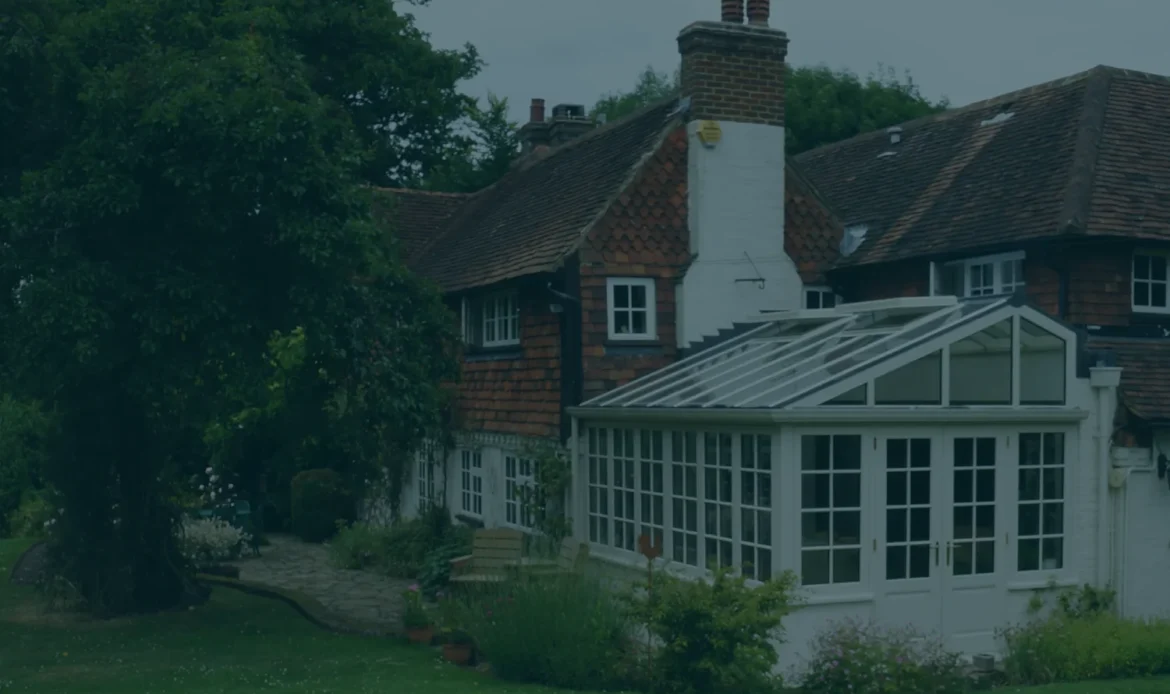
A well-designed country kitchen in the Cotswolds should never feel staged. It needs to work on a damp January morning, during a noisy family supper, and when the house fills for a long Sunday lunch. That is why many homeowners start by looking for bespoke country kitchen designers in the Cotswolds – not simply to choose cabinetry, but to shape a room that feels entirely right for the house and for the way they live.
In this part of the country, expectations are rightly high. Homes often carry character that cannot be replicated – mellow stone walls, uneven room proportions, old beams, generous fireplaces, and views worth framing properly. A kitchen placed into that setting without care can feel generic very quickly. The best bespoke approach does the opposite. It respects the architecture, sharpens the flow of daily life, and brings together craftsmanship, practicality, and quiet confidence.
The phrase “country kitchen” can be misleading. At its best, it does not mean rustic for the sake of it, nor does it rely on obvious styling cues. It means warmth, durability, and a sense of belonging within the home. In the Cotswolds especially, that often calls for restraint.
Good designers begin with the building itself. A listed cottage, a Georgian farmhouse, and a newer stone-built home will all demand different responses. Ceiling heights, natural light, existing joinery, and the relationship to garden rooms or dining spaces all matter. The result should feel settled rather than imposed.
That is where bespoke design earns its keep. Cabinetry can be made to suit awkward alcoves or long walls without relying on fillers that dilute the finish. Storage can be planned around real habits rather than showroom assumptions. Islands can be proportioned to suit entertaining without crowding circulation. Even smaller decisions, such as how painted timber sits against aged stone or limewashed walls, have a noticeable effect on the finished room.
The most successful kitchens are rarely those with the most detail. They are the ones where proportion, materiality, and layout have been considered together from the start. This matters even more in homes where the kitchen forms part of a larger transformation, perhaps opening into an orangery, garden room, or family living area.
When a kitchen is treated as part of the architecture, the room gains a different quality. Sightlines are calmer. Joinery feels integrated. Natural light is used deliberately rather than accidentally. A dresser wall, a larder bank, or a generous island becomes part of the room’s structure, not just its furniture.
That approach also avoids a common mistake in period and country homes – over-theming. Too much surface charm can make a kitchen date quickly. A more enduring route is to combine classic detailing with disciplined design: framed cabinetry, carefully chosen mouldings, proper natural materials, and hardware that feels weighty and honest rather than ornamental.
In a premium kitchen, materials do much of the talking. Painted timber remains a natural choice for country homes because it offers depth, softness, and a finish that sits comfortably with traditional architecture. It also gives flexibility in colour, from chalky neutrals and muted greens to warmer stone and mushroom tones that suit Cotswold light particularly well.
Worktops depend on the household as much as the aesthetic. Natural stone brings character and permanence, but each variety behaves differently. Some clients welcome the patina that develops with use; others prefer a more controlled finish with less maintenance. Timber can add warmth and tactility, though it needs the right placement. A butcher’s block near a prep area may be perfect, while a heavily used sink run may benefit from a more resilient surface.
Appliances need similar care. A kitchen designed purely around a bank of stainless steel can feel abrupt in a heritage setting, yet conceal everything and the room risks losing convenience. The answer is balance. Integrated refrigeration, well-planned extraction, and a proper cooking zone can all be handled discreetly if the cabinetry has been designed around them from the outset.
Luxury in a kitchen is not about excess. More often, it is about ease. Enough room to unload groceries without blocking a thoroughfare. Seating that invites conversation without turning the island into a traffic jam. A pantry that keeps daily clutter out of view. A utility room that takes on the hard graft and leaves the kitchen calm.
This is why layout deserves serious attention. In many Cotswold homes, kitchens are evolving from enclosed service rooms into the heart of family life. That shift sounds straightforward, but it often requires difficult decisions. Should walls come down, or is it better to retain a degree of separation? Would a kitchen-dining room suit the house better than one vast open-plan space? Is the garden connection strong enough, or would roof glazing, new fenestration, or an adjoining extension transform the room’s atmosphere?
There is no universal answer. Families who entertain often may prioritise a large island and a direct flow into dining and terrace areas. Others may prefer a more intimate arrangement with layered rooms and quieter zones. A thoughtful designer will test these possibilities rather than forcing a fashionable layout onto a house that wants something else.
A bespoke kitchen project becomes markedly easier when design, technical development, and delivery are aligned. High-end homeowners are rarely short of ideas. What they need is a dependable route from concept to completion.
That matters because kitchens do not exist in isolation. Lighting plans, structural openings, flooring junctions, glazing lines, heating, ventilation, and joinery detailing all meet in this one space. If those decisions are fragmented between too many parties, the finished room can lose clarity. If they are coordinated properly, the result feels composed.
For this reason, many clients favour a complete service that includes consultation, visualisation, technical drawings, permissions where required, manufacturing detail, installation, and final handover. It is not simply a matter of convenience. It protects design intent. It also creates a higher standard of finish, because every stage has been considered in relation to the next.
For a company such as Farrow & Jones, that joined-up thinking is central to the outcome. The kitchen is not treated as a standalone purchase, but as part of a beautifully integrated living environment built for daily use and long-term value.
Portfolio images can be helpful, but they only tell part of the story. The more revealing questions sit beneath the surface. Does the designer understand architecture as well as cabinetry? Can they talk intelligently about light, circulation, and adjoining rooms? Are they asking how you live, cook, host, and store things, or are they moving too quickly to finishes and colours?
It is also worth paying attention to how they discuss craftsmanship. Bespoke should mean more than choice. It should imply careful manufacture, accurate installation, and a finish that will still feel considered years later. Painted joinery, for example, needs proper preparation and durable coating systems if it is to retain its elegance in a hardworking room.
Then there is the question of confidence. The right designer will not simply agree with every initial idea. They will challenge where necessary, explain trade-offs clearly, and refine the brief until the room has real coherence.
Designing in the Cotswolds comes with both opportunity and responsibility. The architecture is distinctive, but so are the planning considerations, the landscape setting, and the expectations of owners who care deeply about the character of their homes.
A kitchen here should feel grounded in place. That does not mean pastiche. It means understanding local materials, scale, and tone, then interpreting them for modern living. A beautifully made kitchen can sit comfortably within a centuries-old house while still supporting contemporary family life, discreet technology, generous storage, and the kind of easy sociability that makes a room genuinely lived in.
The best bespoke country kitchen designers in the Cotswolds understand that tension and handle it well. They know when to preserve intimacy, when to open up, when to let timber and stone lead the palette, and when a cleaner line will make the whole room feel more settled.
A country kitchen should not be designed to impress for five minutes. It should feel better with every season, more useful with every year, and more connected to the house the longer you live with it. That is the difference between a kitchen that merely looks the part and one that truly belongs.