Built for living , loved for a lifetime.
About Us

Lorem Ipsum is simply dummy text of the printing and typesetting industry.
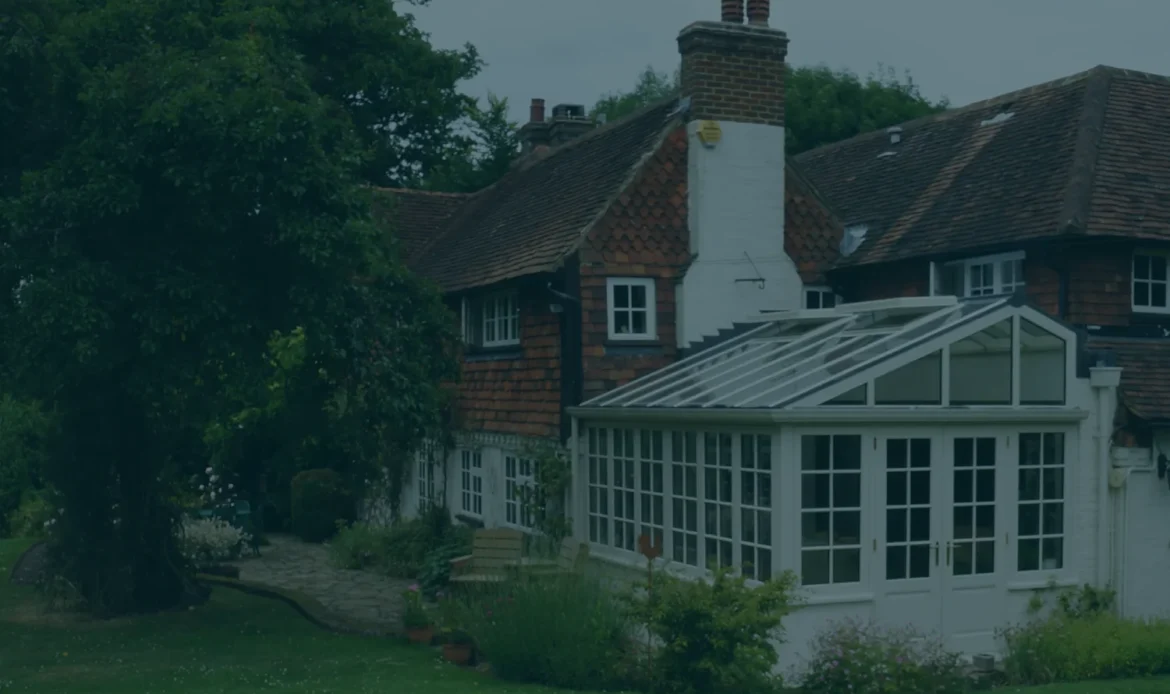
A kitchen colour can date a room faster than almost any other decision. In a hand-painted scheme, that matters even more, because the finish has presence – it sits across cabinetry, catches changing light and sets the tone for how the whole space feels. The colour trends for hand-painted tulipwood kitchens in 2026 are not about novelty for novelty’s sake. They point towards quieter confidence, greater depth and colours chosen to live well for years rather than impress for a season.
That shift suits tulipwood beautifully. As a material for painted kitchen cabinetry, it offers a refined, stable base for a crisp, elegant finish, allowing colour to read as it should – nuanced, even and richly considered. For homeowners shaping a kitchen that must feel both current and enduring, 2026 is bringing a more architectural palette.
The strongest thread running through 2026 is restraint. Not safe choices, but thoughtful ones. We are seeing less appetite for high-contrast, hard-edged schemes and more interest in colours with a softened undertone – shades that respond to daylight, natural stone, aged brass and painted timber detailing with greater subtlety.
This does not mean every kitchen is drifting towards beige. It means the palette is maturing. Green is becoming smokier and more complex. Neutral shades are warming slightly. Dark colours are still present, but they are less stark and more atmospheric. Even when a client wants impact, the mood is generally calmer, more grounded and less obviously trend-led.
For larger kitchen-living rooms, this is especially significant. Open-plan spaces need colours that can hold a room without overwhelming it. A hand-painted tulipwood kitchen in the right tone can anchor the architecture while still allowing surrounding dining and living areas to feel connected.
Green remains firmly at the centre of premium kitchen design, but the character of green is changing. The brighter botanical tones that once felt fresh are giving way to muddier olive, softened sage and deeper moss. These colours feel rooted rather than decorative.
On hand-painted tulipwood cabinetry, that softness matters. A complex green reveals more variation across mouldings, beaded frames and pantry elevations than a flatter tone ever could. In morning light it may appear chalkier; by evening, richer and more enveloping. That movement is part of the appeal.
For period homes, olive-based greens sit comfortably with traditional joinery and aged architectural details. In contemporary houses, a muted sage can take the edge off minimalist lines and make a larger kitchen feel more settled. The trade-off is that some greens can lean too grey in north-facing rooms, so sample boards and light studies become essential before committing.
The most interesting neutral kitchens in 2026 are not stark white, and they are not yellowed cream. They sit somewhere more sophisticated – putty, oatmeal, chalk, stone and mushroom with enough warmth to feel inviting, but enough restraint to stay elegant.
This is one of the most useful colour directions for a hand-painted tulipwood kitchen because it gives the craftsmanship room to speak. When cabinetry is well proportioned and beautifully finished, a quieter shade can make the detailing feel more expensive, not less. Door profiles, cornicing, pilasters and larders read with clarity, especially when paired with natural stone or lightly veined quartz surfaces.
Warm neutrals also work particularly well in homes where the kitchen links to garden rooms, glazed extensions or painted timber architectural features. They handle shifting daylight with grace and avoid the clinical feel that cooler greys can create. The caution here is that undertone is everything. A neutral that looks calm in a showroom can turn pink, green or sallow once installed alongside flooring, worktops and wall colours.
The darker end of the palette is not disappearing. It is simply becoming more considered. Navy is losing favour to inkier blue-greys, softened charcoal and deep, earthy browns. These shades bring drama, but with more warmth and less severity.
For a hand-painted tulipwood kitchen, darker colours can be remarkably effective on a central island or a bank of tall cabinetry. They give weight to the room and create a sense of furniture rather than fitted units alone. In larger properties, where ceiling height and natural light allow, these deeper tones can make an open-plan kitchen feel composed and architectural.
Brown, in particular, is re-emerging in a polished way. Not heavy mahogany associations, but nuanced cocoa, roasted taupe and umber-inflected shades that sit beautifully with unlacquered brass, bronze-toned ironmongery and creamy stone. It is a direction that feels quietly luxurious. It will not suit every home, though. In compact kitchens with limited light, it needs balancing with paler perimeter cabinetry, reflective surfaces or carefully layered lighting.
Blue is still relevant, but 2026 blue is less nautical and more atmospheric. Think softened mineral tones, dusty blue-grey and moody slate rather than clear marine shades. These colours can feel both classic and current, particularly in Georgian or Victorian homes where there is already a strong architectural rhythm.
Off-black is evolving in a similar way. Rather than true black, clients are leaning towards shades with green, brown or blue undertones. These feel gentler on painted timber and reveal more texture in a hand-painted finish. They also tend to sit better with natural materials, especially if the room includes oak flooring, limestone or antique brass.
When discussing colour trends for hand-painted tulipwood kitchens in 2026, it would be a mistake to treat colour as an isolated choice. The finish itself is part of what makes a shade feel refined. A beautifully engineered painted surface gives depth and consistency, allowing subtle colours to read with confidence.
This is where tulipwood comes into its own. It provides an excellent substrate for painted cabinetry, helping achieve a smooth, enduring result that complements the tailored nature of luxury kitchen design. In a premium scheme, colour should never look applied as an afterthought. It should feel integral to the joinery, as though the room has been composed rather than decorated.
That is also why trend interpretation matters. A fashionable shade on the wrong surface, in the wrong light or against the wrong architecture can feel short-lived. The better approach is to use 2026’s palette as a guide, then refine it around the house itself – its orientation, proportions, surrounding materials and how the family actually uses the space.
The most successful kitchens rarely begin with a paint chart. They begin with the room. Consider how much natural light enters, whether the outlook is leafy or urban, how the kitchen connects to adjoining spaces and which materials are fixed from the outset. A colour that feels exquisite against marble may fall flat beside warm quartzite, and a green that sings in a country house may feel too muted in a sharper contemporary interior.
It is also worth thinking in layers rather than a single statement shade. One of the clearest directions for 2026 is tonal variation – perhaps a softer neutral on the main cabinetry, with a deeper island or dresser to add emphasis. This creates visual rhythm without resorting to stark contrast. It feels collected, tailored and easier to live with over time.
For clients investing in a fully bespoke kitchen, colour should support longevity as much as beauty. That often means resisting the most obvious trend in favour of something with a little more ambiguity. The shades with staying power are usually those that are hardest to name at a glance – the green that reads grey at dusk, the neutral with a stone undertone, the dark blue that almost passes for charcoal.
There is also a practical point. Family kitchens work hard. A hand-painted finish in a mid-toned or gently complex colour can be more forgiving day to day than either brilliant white or very flat dark paint. Marks show differently, light moves more kindly across the surface, and the room keeps its composure through real life.
At Farrow & Jones, that balance between beauty, craftsmanship and liveability sits at the heart of every painted timber kitchen. The right colour does more than follow a trend. It gives the room its lasting mood, and if 2026 is telling us anything, it is that the most desirable kitchens are the ones that feel considered from the first glance and quietly right for years after.