Built for living , loved for a lifetime.
About Us

Lorem Ipsum is simply dummy text of the printing and typesetting industry.
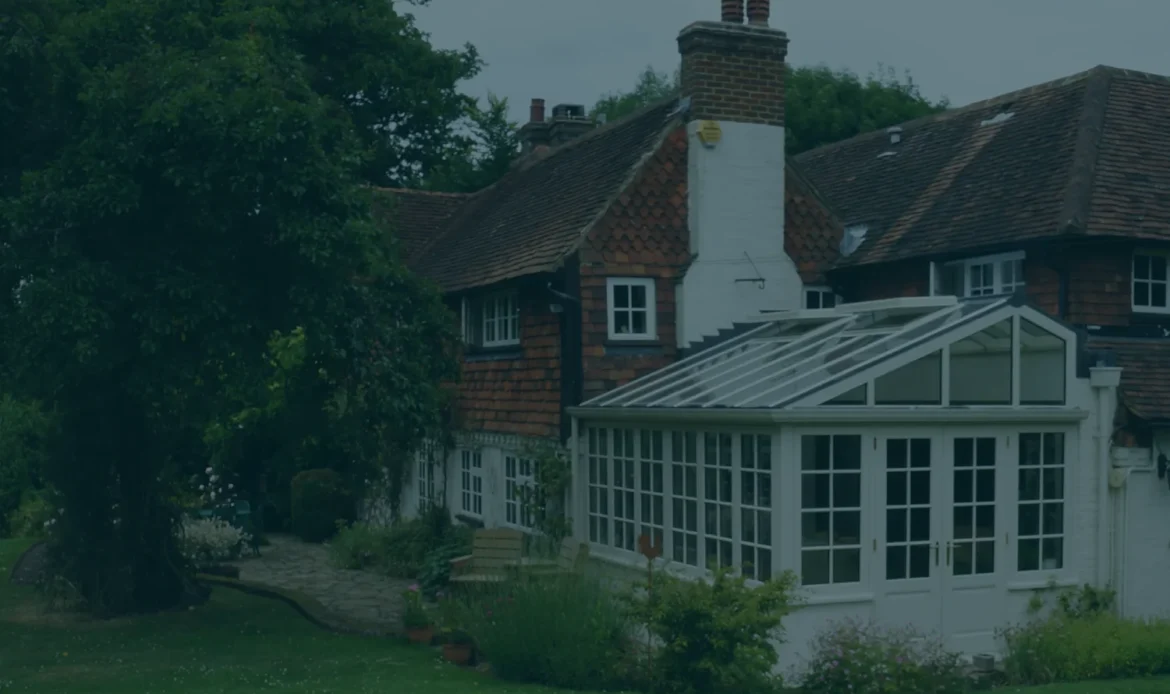
A well-judged orangery can do something a standard extension rarely manages in a Victorian house – it can make the original architecture feel more complete rather than less. That is what makes a Victorian home orangery transformation example so compelling. Done properly, it respects the scale, rhythm and character of the period home while introducing the light, openness and everyday ease that modern family life demands.
In many Victorian properties, the challenge is not a lack of charm. It is the opposite. There is often plenty of character at the front of the house, but a rear layout that feels dark, fragmented and underused. Narrow rooms, low natural light and a weak connection to the garden can leave a beautiful home feeling surprisingly constrained. An orangery answers that problem differently from a full glazed conservatory or a conventional brick extension. It brings solidity, architectural presence and controlled light.
The best results begin with restraint. Victorian homes already have a strong architectural language, so the orangery should not compete with it. Instead, it should take cues from the property’s proportions, brick tones, window hierarchy and decorative detail, then reinterpret them with a lighter hand.
That usually means a more substantial structure than homeowners first imagine. Properly detailed brick piers, elegant glazing bars, a considered roof lantern and carefully profiled timber all help the new space feel grounded. In a period setting, too much glass can make the extension feel visually detached from the main house. Too much masonry can make it feel heavy. The right balance sits somewhere in between, and it depends on the house.
A strong example often involves opening up the rear of the property to create a kitchen and family room that still retains a sense of definition. This is one of the orangery’s great strengths. Because it has more architectural form than a typical extension, it can create open-plan living without becoming one vast, characterless box.
A typical Victorian rear arrangement might include a small kitchen tucked behind the main rooms, perhaps with a later lean-to or utility space added over time. The garden may be generous, but the house does not properly engage with it. Instead of a sociable heart of the home, there is often a sequence of practical rooms that no longer suits the way people live.
For families and established homeowners, this becomes more than an aesthetic issue. It affects daily comfort. Cooking can feel cut off from entertaining. Children drift between rooms rather than gathering in one practical, welcoming space. Views to the garden are limited, and even on bright days the rear of the house can feel dim.
An orangery transformation typically addresses all three issues at once – layout, light and connection. That is why it tends to feel like a lifestyle upgrade rather than simply additional square footage.
In a high-quality Victorian home orangery transformation example, the success is often found in the details people do not consciously notice at first. The roof lantern is scaled to bring daylight deep into the plan without dominating the elevation. The doors and windows are proportioned to echo the home’s original fenestration. Sightlines from older rooms into the new extension are carefully managed so the transition feels natural.
Material choice matters enormously here. Painted hardwood timber brings warmth, depth and a level of refinement that sits comfortably alongside period architecture. It also allows for crisp, elegant profiles and a finish that feels architectural rather than purely functional. In premium projects, factory-applied multi-coat finishes offer long-term protection and colour consistency, which matters when a new structure is expected to look right for many years, not just on completion day.
There is also the question of ceiling design. One reason orangeries remain so appealing in heritage settings is that they avoid the all-glass overhead look. Perimeter roofing can house lighting, speakers, insulation and crisp internal detailing, while the lantern concentrates daylight exactly where it is needed. The result is brighter than a traditional extension, but calmer and more composed than a fully glazed room.
Victorian houses tend to respond well to spaces with definition. That is true externally and internally. An orangery can feel like a natural continuation of that logic because it combines masonry, joinery and glazing in a way that has architectural weight. It can read as an elegant garden room, a refined kitchen extension or a formal-informal hybrid that suits both entertaining and everyday life.
This matters because period homeowners are often trying to resolve a tension. They want openness, but not at the cost of atmosphere. They want more light, but not glare. They want a family space, but not something that feels generic. An orangery, when thoughtfully designed, can hold those opposites together.
Imagine a detached Victorian home with a series of disconnected rear spaces: a narrow kitchen, an old utility room and limited access to the garden. The brief is to create a sociable kitchen-living area with stronger views, better circulation and a finish that feels entirely at home with the original house.
The transformation begins by reworking the internal plan as much as the exterior. Structural openings are introduced carefully, not simply to make everything bigger, but to improve movement and sightlines. The new orangery becomes the anchor for the space, with the kitchen arranged to feel connected rather than pushed to one side.
A central roof lantern draws daylight across the kitchen island and dining area. Brick piers give rhythm to the garden elevation, helping the extension feel rooted and substantial. Full-height glazing and well-proportioned doors open up views of the garden, yet the room still feels enclosed enough for winter evenings, family suppers and quieter moments with a book.
This is often the point at which homeowners notice the real shift. The house no longer feels like a handsome front with a compromised rear. It starts to operate as one coherent home.
A period-sensitive orangery is not about maximal glazing or novelty. If the lantern is oversized, the room can lose its intimacy. If the openings to the original house are too wide, the older rooms may surrender their character. If every surface is opened up, there is a risk that the extension feels visually impressive but less usable day to day.
That is why the strongest projects are guided by proportion, not excess. In some homes, retaining a degree of separation between the original house and the orangery creates a far better result. In others, a broader opening is appropriate because the scale of the property can carry it. There is no universal formula. The architecture sets the rules.
A premium orangery transformation should perform as well as it looks. Thermal efficiency, structural integrity, ventilation, lighting design and junction detailing all shape the experience of the room long after the photographs are taken. Beautiful spaces only feel luxurious when they are comfortable.
This is particularly relevant in Victorian properties, where integrating new and old construction demands technical care. Floor levels, drainage, masonry interfaces and heating strategy all need early thought. So does planning. In conservation-sensitive settings or on architecturally distinguished homes, the design may need to demonstrate a clear understanding of heritage context as well as modern use.
That is where a fully managed process becomes so valuable. Bringing architectural design, technical development and installation together under one roof tends to produce a calmer experience and a more resolved final result. For clients investing significantly in their home, that continuity matters.
The most obvious gain is space, but that is rarely the most meaningful one. More often, it is the quality of life the new room creates. Breakfast with garden views. A kitchen that finally feels sociable. Natural light reaching deeper into the house. A room that can host a large family gathering without losing its sense of calm on an ordinary Tuesday.
There is also a quieter form of value in the way the house begins to make sense again. A good orangery does not feel like an add-on. It feels like the room the property was waiting for. That is especially powerful in Victorian homes, where sensitive enhancement can reveal the strengths of the original architecture rather than dilute them.
For design-conscious homeowners, that combination of beauty and belonging is often the real measure of success. Not whether the extension looks new, but whether it feels inevitable.
A Victorian orangery transformation is at its best when it honours the house, improves the way people live and stands up to the years ahead with dignity. If a new room can do all three, it becomes more than an extension. It becomes part of the home’s story.