Built for living , loved for a lifetime.
About Us

Lorem Ipsum is simply dummy text of the printing and typesetting industry.
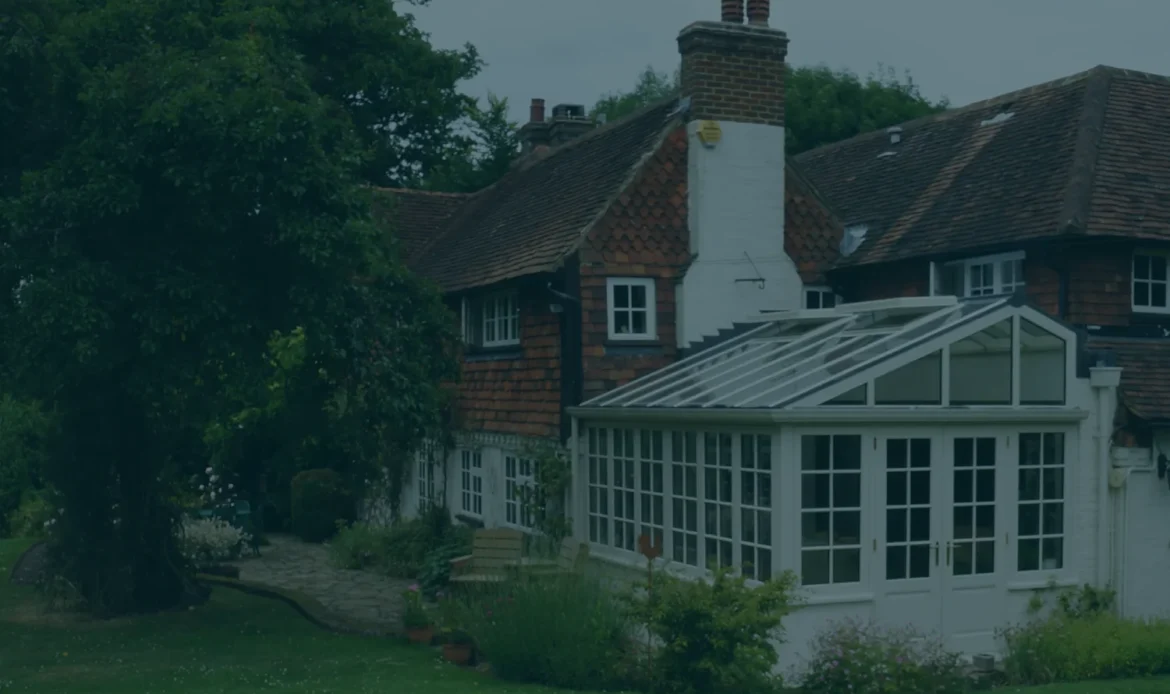
A well-designed orangery rarely feels like an add-on. It changes how a house lives, how light moves through it, and how the garden becomes part of everyday life. That is why any Hardwood Orangery Investment guide should start with a simple truth: this is not only about adding square footage. It is about creating a room that feels as though it always belonged, while strengthening the long-term appeal and value of the property.
For homeowners considering a significant home improvement, the real question is not simply what an orangery costs. It is whether the design, materials and delivery approach justify the investment over decades, not just the day the project is handed over. With hardwood in particular, the answer often lies in quality of design, architectural integration and the standard of craftsmanship behind the finished space.
An orangery sits in a category of its own. It offers more architectural presence than a standard glazed extension, yet feels lighter and more garden-connected than a conventional build. The result is a room that can become the centre of family life – often a kitchen-dining space, entertaining room or elegant everyday living area.
Hardwood changes the conversation further. It brings warmth, proportion and detail that are difficult to replicate with lesser materials. Sightlines can be refined, joinery can be tailored, and the overall finish has a depth that suits both period homes and carefully considered contemporary properties. In practical terms, hardwood is valued for its strength, longevity and repairability. In design terms, it offers a level of character that supports a more timeless result.
That matters because investment value in a home extension is not created by size alone. It comes from how convincingly the new space enhances the house. A bespoke orangery that improves layout, increases natural light and adds genuine everyday usefulness will usually outperform a larger but less coherent extension.
One of the most common mistakes is to view an orangery budget as a single construction figure. In reality, a premium project is made up of several layers, and each one affects the final quality.
The first is design. Good design is not decorative window dressing added at the end. It governs proportions, roof structure, glazing balance, ceiling height, connection to existing rooms and relationship with the garden. When design is resolved properly at the beginning, the orangery feels integrated rather than imposed.
The second is technical development. Planning support, building regulations, structural calculations, manufacturing drawings and energy performance all sit behind the visible finish. Homeowners often do not see this stage, yet it is where many costly compromises are avoided. A beautifully drawn orangery still needs to perform well in all seasons and work structurally with the existing property.
The third is material quality and fabrication. Hardwood joinery, roof lantern detailing, doors, glazing specification and internal finishes all influence how the space looks and feels once complete. Premium projects tend to invest more heavily here because this is where longevity, comfort and visual refinement are won.
The final layer is delivery. A fully managed process usually represents better value than a fragmented one, even if the headline figure appears higher at first glance. Coordination between designer, planner, manufacturer and installer reduces delays, mismatched expectations and on-site decision-making that can erode both quality and budget.
There is no universal percentage, because property value depends on location, house type, existing layout and the calibre of the completed project. A well-executed orangery can certainly contribute to resale value, but the strongest return is often a combination of financial and lifestyle gain.
If an orangery transforms a dark rear elevation into a generous kitchen-living space, improves circulation and creates a stronger connection to the garden, it can materially improve how a buyer perceives the whole house. In premium residential markets across areas such as Surrey, Oxfordshire or the Cotswolds, design quality carries real weight. Buyers at this level notice whether an extension feels bespoke and architecturally appropriate.
Still, investment should be judged with nuance. Not every property needs a large glazed room, and not every layout benefits from one. Over-extending the footprint, ignoring the character of the house or under-specifying key elements can dilute value rather than enhance it. The aim is not maximum enlargement. It is meaningful improvement.
The most valuable orangeries share a sense of permanence. They do not chase trends that may date quickly. Instead, they rely on good proportions, calm detailing and materials that mature well over time.
Roof design is one of the clearest examples. A well-composed roof lantern can flood the room with daylight while maintaining a comfortable balance of solid structure and glazing. Too much glass overhead can feel harsh in summer and underwhelming in winter, even with modern performance glazing. The best results come from restraint and architectural discipline.
Doors and sightlines matter just as much. Garden-facing doors should feel generous without overwhelming the room. Internally, the transition from the existing house into the orangery should be carefully handled. Ceiling heights, floor finishes and opening widths all contribute to whether the new space feels stitched into the home.
Then there is the question of use. The best investment decisions come from designing around real living patterns. If the room will be the heart of family life, it needs to support cooking, dining, relaxing and entertaining with equal ease. If it is intended as a quieter garden room, the atmosphere and layout may be entirely different. A space designed around genuine daily use will always hold its value more convincingly than one shaped by fashion alone.
A premium orangery should not only look exceptional on completion. It should continue to do so years later. This is where hardwood earns its place.
Its structural integrity allows for elegant joinery and well-resolved detailing. Its tactile quality suits painted finishes beautifully. And because it can be maintained and refurbished over time, it supports a longer view of ownership. For homes with architectural character, especially period properties, hardwood also tends to sit more naturally against original materials and established proportions.
There are practical considerations, of course. Timber requires proper finishing and sensible maintenance. That is not a drawback so much as a reality of owning natural materials of quality. For many discerning homeowners, that upkeep is part of the appeal. A material with authenticity will always ask a little more than one designed purely for convenience, but it often gives more back in presence, warmth and longevity.
Even the finest design can be undermined by a disjointed process. An orangery is one of those projects where the route to completion is as important as the finished room itself.
Homeowners usually benefit from working with a specialist who can manage the project from concept through to final handover. That means the aesthetic ambition is supported by technical understanding, and the inevitable complexities of planning, structure and installation are handled in a coordinated way. It also creates accountability. When one team owns the vision and delivery, there is less room for diluted detail or avoidable compromise.
This is particularly important in high-value homes, where the orangery must respect existing architecture and interior finishes. A generic approach can be expensive in the wrong ways. Bespoke delivery may require greater upfront investment, but it often protects the result and the property far more effectively.
Before moving ahead, it is worth being clear on a few points. Will the orangery improve how the house works every day, or simply add another room? Does the design belong to the property, both externally and internally? Are the materials and specification aligned with the standard of the home? And is the team behind it able to take responsibility for every stage, not just parts of the process?
It is also sensible to ask what will matter in ten or fifteen years. Will the room still feel elegant? Will it still perform well through the seasons? Will it continue to enhance the house rather than date it? These are investment questions in the truest sense.
For the right property, a hardwood orangery can be one of the most rewarding improvements a homeowner makes. It brings light, balance and a more generous way of living, while adding architectural depth that ordinary extensions rarely achieve. The strongest projects are not defined by excess, but by care – careful design, careful craftsmanship and careful thinking about how a home should feel for years to come.