Built for living , loved for a lifetime.
About Us

Lorem Ipsum is simply dummy text of the printing and typesetting industry.
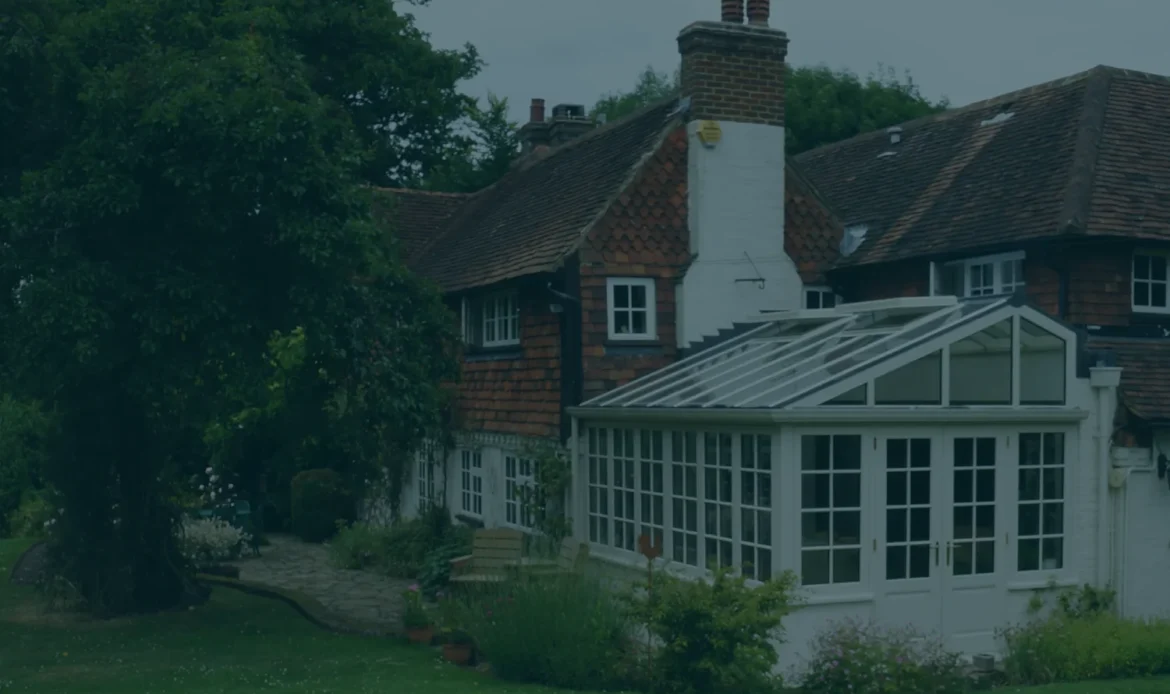
A well-designed hardwood orangery extension changes more than the footprint of a house. It alters how the home feels to live in – bringing daylight deeper into the plan, creating a stronger relationship with the garden, and giving everyday routines a room with real presence. For homeowners investing in quality architecture rather than simply extra square metres, it offers something distinct: an extension with substance, character and permanence.
Unlike a standard glazed addition, an orangery has architectural weight. It sits more naturally against the house, often with solid piers, carefully proportioned glazing and a roof lantern that draws light from above. In hardwood, that composition becomes richer still. The material has depth, warmth and detail that suit both period homes and refined contemporary properties, especially where the ambition is for the new space to feel as though it truly belongs.
The appeal begins with balance. A hardwood orangery extension is not all glass, nor is it a conventional brick-built room with ordinary windows. It occupies a more elegant middle ground, where structure and light work together. You gain the brightness homeowners often seek from a garden-facing extension, but with more enclosure, better definition and a stronger sense of room.
That distinction matters in daily life. Spaces designed with too much glazing can sometimes feel exposed in winter and overly bright in summer, particularly in south-facing gardens. An orangery tempers that effect. Solid elements create rhythm and privacy, while the lantern overhead delivers controlled natural light. The result is calmer, more usable and often better suited to open-plan kitchen, dining and family living.
Hardwood also changes the visual quality of the extension. Painted timber sections have finer detailing than bulkier alternatives, which allows glazing bars, doors and frames to feel elegant rather than heavy. Up close, the craftsmanship shows. From inside, that makes a difference to the atmosphere. From outside, it helps the extension sit comfortably against established architecture.
There is a reason timber has long been associated with the best domestic architecture. It offers design freedom, beautiful sightlines and a tactile finish that mass-produced systems rarely achieve. In an orangery, where joinery is such a visible part of the experience, that matters.
Hardwood is particularly well suited to bespoke work because it can be shaped, proportioned and detailed to suit the property rather than forcing the property to suit a standard product. That may mean echoing existing sash proportions, introducing classical pilasters, refining cornice details or creating larger glazed openings with carefully judged section sizes. The point is not ornament for its own sake. It is coherence.
There is also the matter of longevity. A premium hardwood orangery extension is built for long-term use and long-term value. With proper specification, manufacturing and finishing, timber performs exceptionally well. It is a material chosen not only for appearance but for enduring quality. For clients making a significant investment in their home, that sense of permanence is often central to the decision.
The most successful orangeries begin with how the room will be used. A family kitchen extension needs different planning from a formal garden room, and both differ again from a quieter retreat for reading, working or entertaining. The architecture should follow that purpose.
A kitchen-led orangery often works best when the lantern sits over the dining or seating zone, leaving more practical runs of cabinetry and appliances against solid walls. This helps the room feel organised rather than overexposed. In contrast, a garden room may lean more heavily into symmetry, French or sliding doors and framed views outward, using furniture placement to create intimacy beneath the roof light.
Scale is equally important. Bigger is not always better. A room that is too broad or overglazed can lose the very sense of refinement that makes an orangery attractive. The strongest schemes are carefully proportioned, with enough solidity to feel grounded and enough glazing to feel bright. It is a subtle balance, and one that benefits from architectural judgement early in the process.
Material palette also deserves attention. Hardwood works beautifully alongside natural stone, painted masonry, bronze-effect ironmongery and tailored interior joinery. These combinations help the orangery read as part of the home rather than an isolated appendage. Where the extension opens into an existing kitchen or living area, continuity in flooring, ceiling treatment and sightlines can make the transition feel effortless.
One of the strengths of hardwood is its versatility. On a Georgian, Victorian or Edwardian property, it can support heritage-led detailing without looking theatrical. Cornices, pilasters and traditional door arrangements can be introduced with restraint, giving the orangery the dignity such homes deserve.
On a more contemporary house, the same material can be pared back. Cleaner lines, larger panes and a quieter external treatment allow the timber to bring warmth to a more modern composition. This is where bespoke design matters most. The extension should not look imported from another style of house.
A luxury extension is never just about appearance. It must also perform well, comply properly and integrate structurally with the house. This is where many projects become more complex than clients initially expect.
Planning requirements vary according to the property, the setting and the scale of the proposal. Homes in conservation areas, listed buildings and houses with sensitive rear elevations often need a more considered route. That does not mean a hardwood orangery extension is out of reach. It means the design needs to respond intelligently to context, with proportions, materials and detailing that planners can support.
Building regulations and energy performance are equally significant. Modern orangeries need to feel comfortable across the seasons, not merely impressive on the day they are completed. That requires careful thinking around roof design, glazing specification, ventilation, insulation and heating strategy. A lantern should admit light without creating glare or overheating. Doors should open generously without compromising thermal performance. The room should feel settled and usable throughout the year.
This is why an integrated design-and-build approach is so valuable. When architectural design, technical detailing, structural calculations and installation are treated as one joined-up process, the finished result is more coherent. There is less compromise between concept and construction, and far less risk of a beautiful idea being diluted during delivery.
For most homeowners, the real return is not measured only in property value. It is seen in how the house begins to support life better. Breakfast with garden views. Better flow when friends come for supper. A brighter family space during darker months. A home that feels more generous, more sociable and more at ease with itself.
That is where the orangery often outperforms a plainer extension. It contributes atmosphere as well as area. The light is better. The proportions are more composed. The room has identity. Instead of feeling like an add-on, it becomes the part of the house everyone naturally drifts towards.
For design-conscious homeowners, there is another benefit: peace of mind. A bespoke timber orangery, designed properly and built with care, tends to age with grace. It does not chase fashion. It relies on proportion, craftsmanship and quality materials – principles that remain persuasive long after trends have moved on.
Not always. If the priority is simply to maximise footprint at the lowest possible level of design complexity, an orangery may be more architectural than the brief requires. Likewise, some very minimal contemporary schemes call for a different expression altogether.
But where the aim is to create a garden-connected room with elegance, structure and long-term presence, it is difficult to think of a more compelling solution. Particularly for substantial homes, period properties and high-value refurbishments, a hardwood orangery extension offers a level of integration and refinement that feels entirely in keeping with the investment.
The best projects are those where architecture, interior living and craftsmanship are considered together from the outset. That is when the orangery becomes more than a bright extra room. It becomes the place where light meets living, and where the house starts to feel complete in a new way.
If you are considering one for your home, the right starting point is not a brochure of styles but a conversation about how you want to live – because the most successful spaces are shaped around that, and felt every day thereafter.